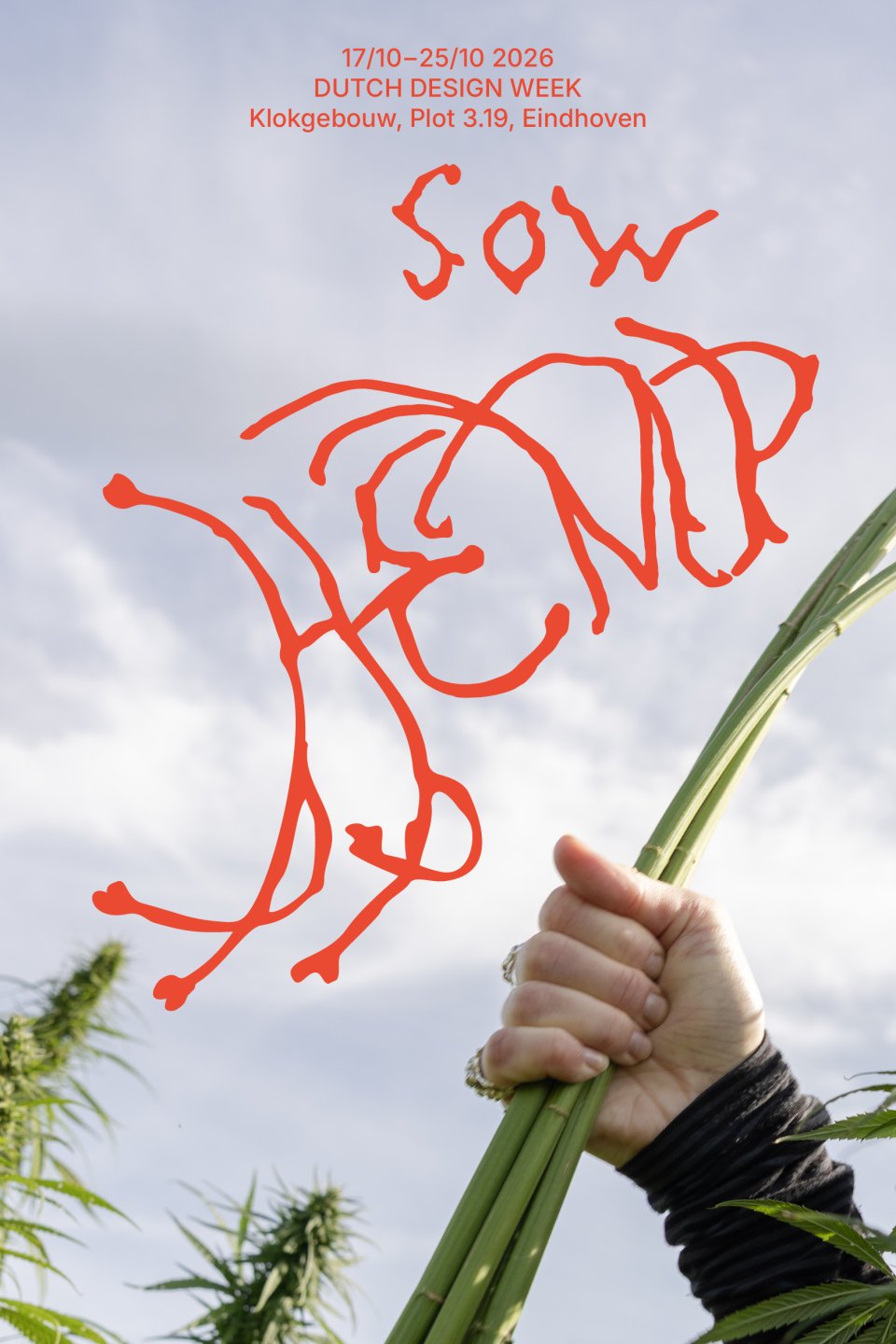
17–25 October 2026
Klokgebouw, Event Hall 3, 3.19, Klokgebouw 50, 5617 AB Eindhoven, The Netherlands
Opening hours: 11:00 am–6:00 pm
For thousands of years, hemp has been used to make textiles, ropes, sails and paper. Yet cotton, synthetic fibres and the political stigma surrounding the plant have pushed it almost entirely out of European textile production. The Studio of Textiles at UMPRUM is revisiting this once-common raw material, exploring the role it could play in contemporary design. The results of the two-semester project SOW HEMP! will be presented at Dutch Design Week in Eindhoven from 17–25 October 2026.
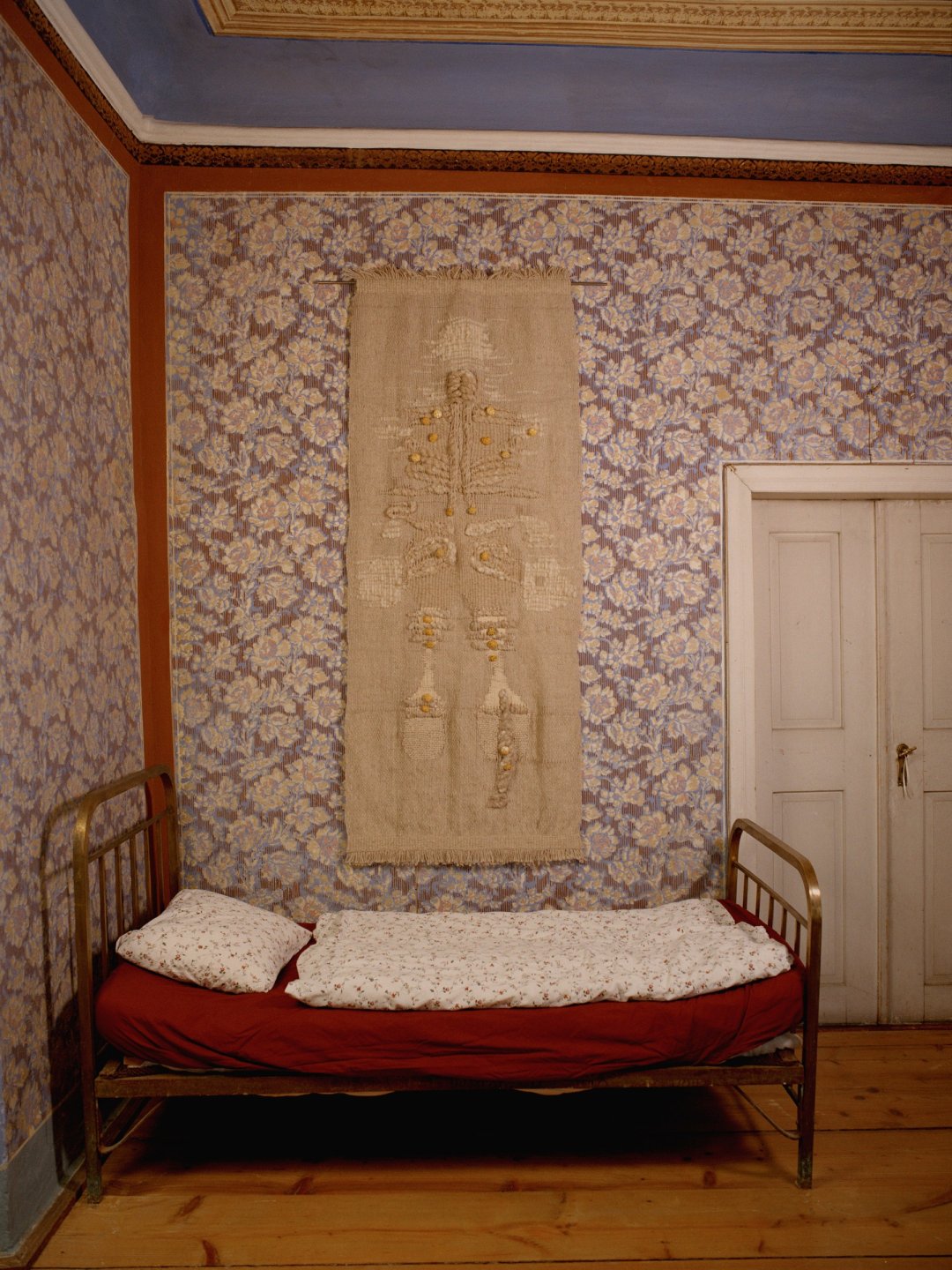
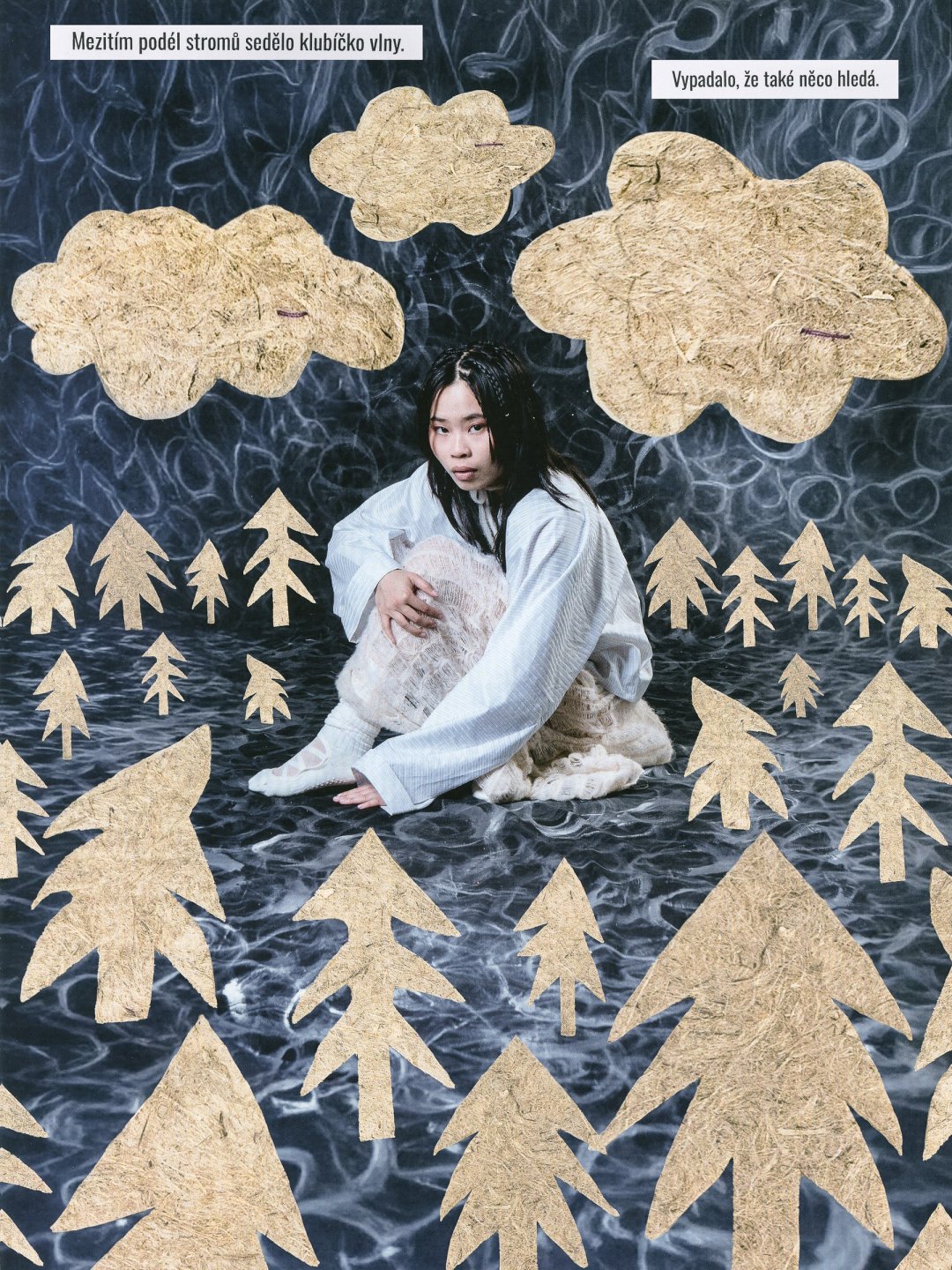
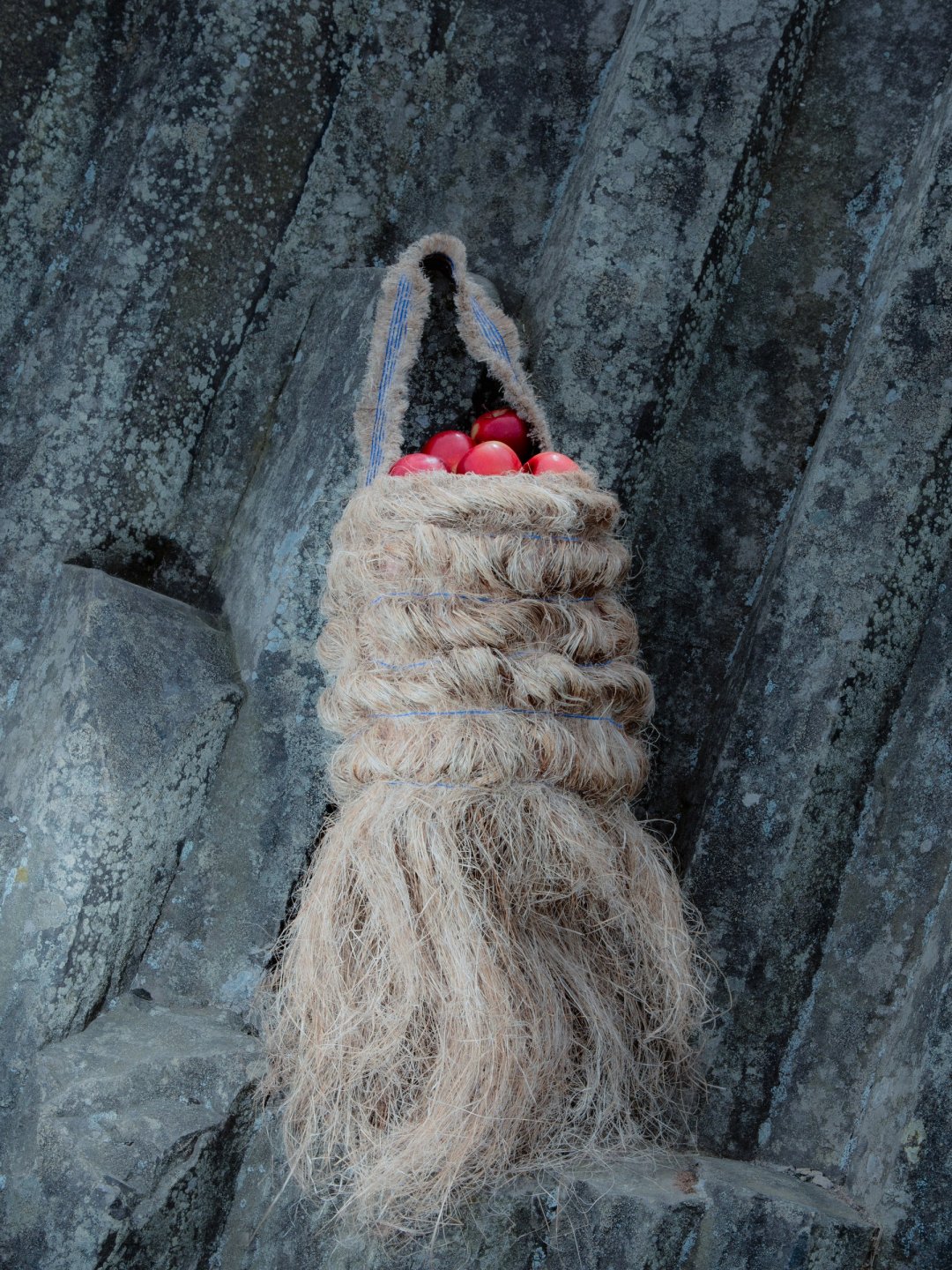
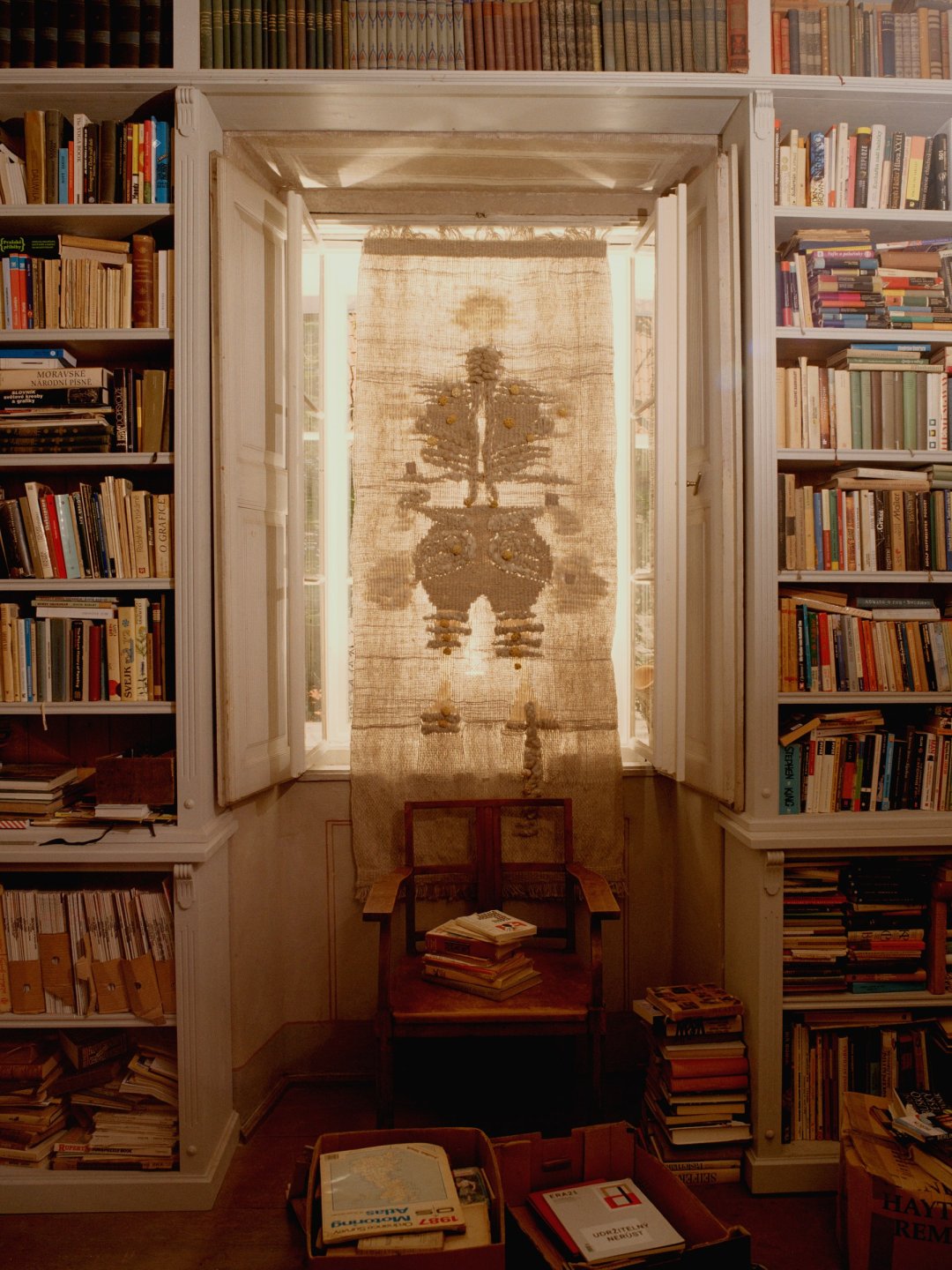
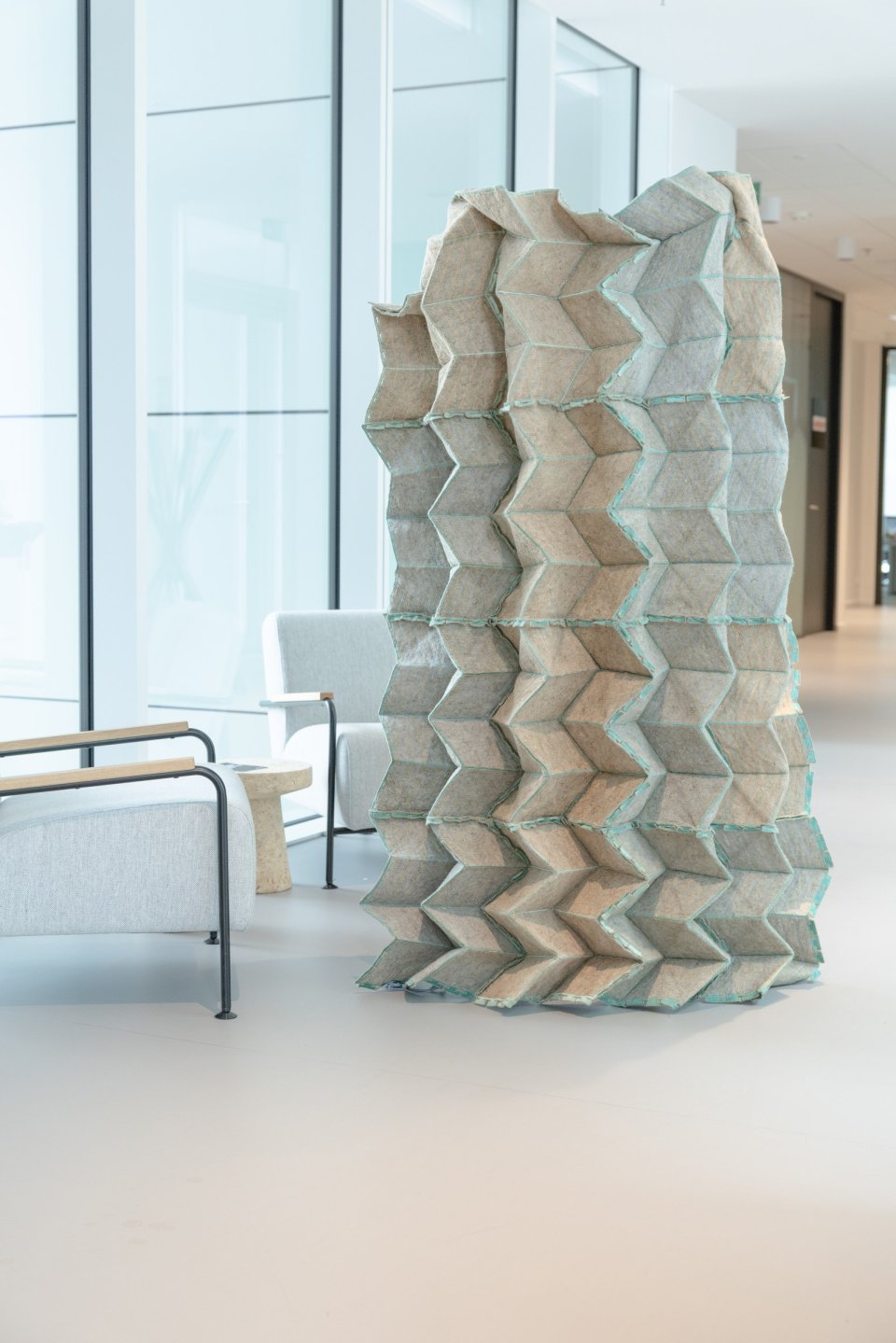
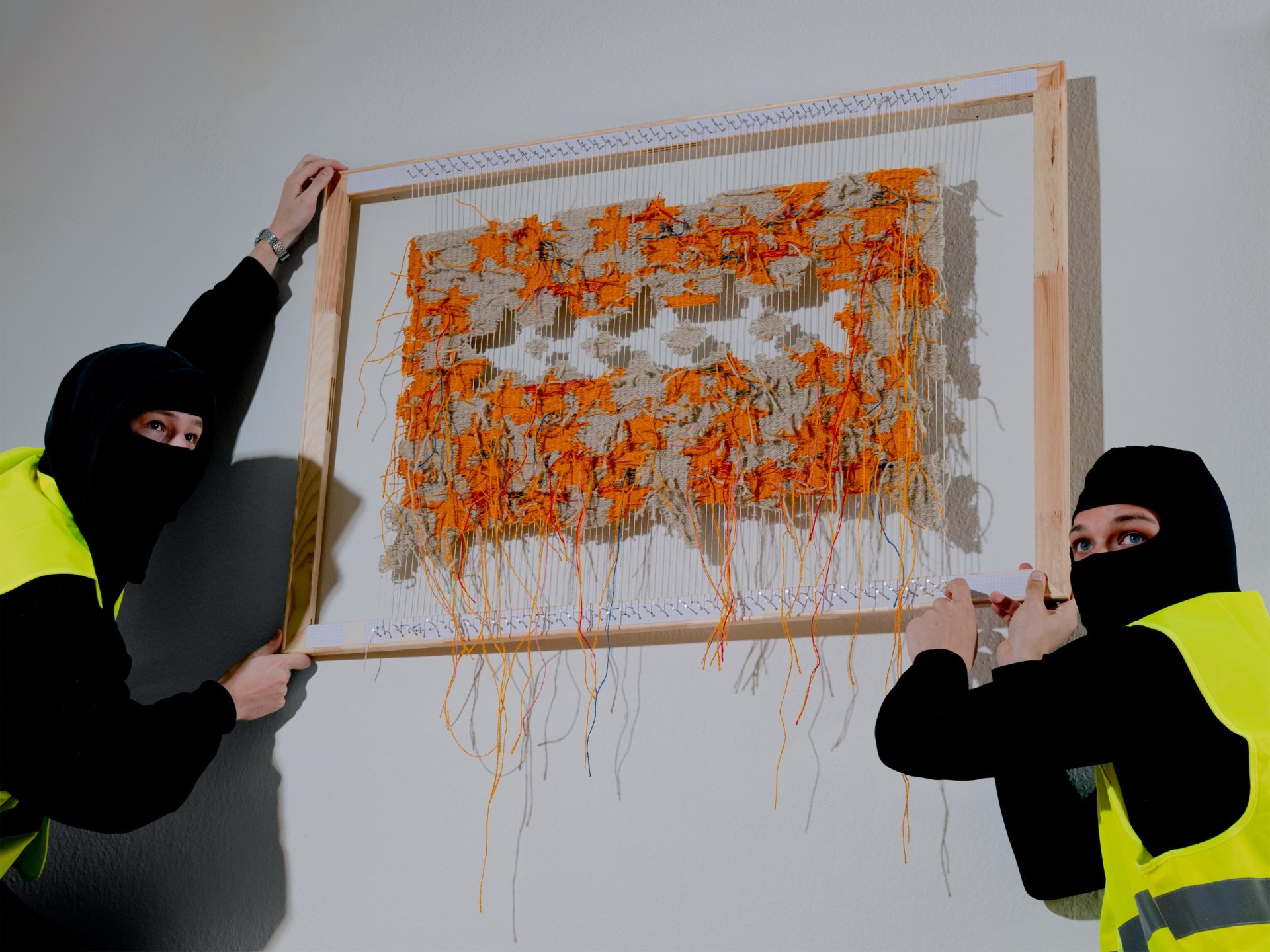
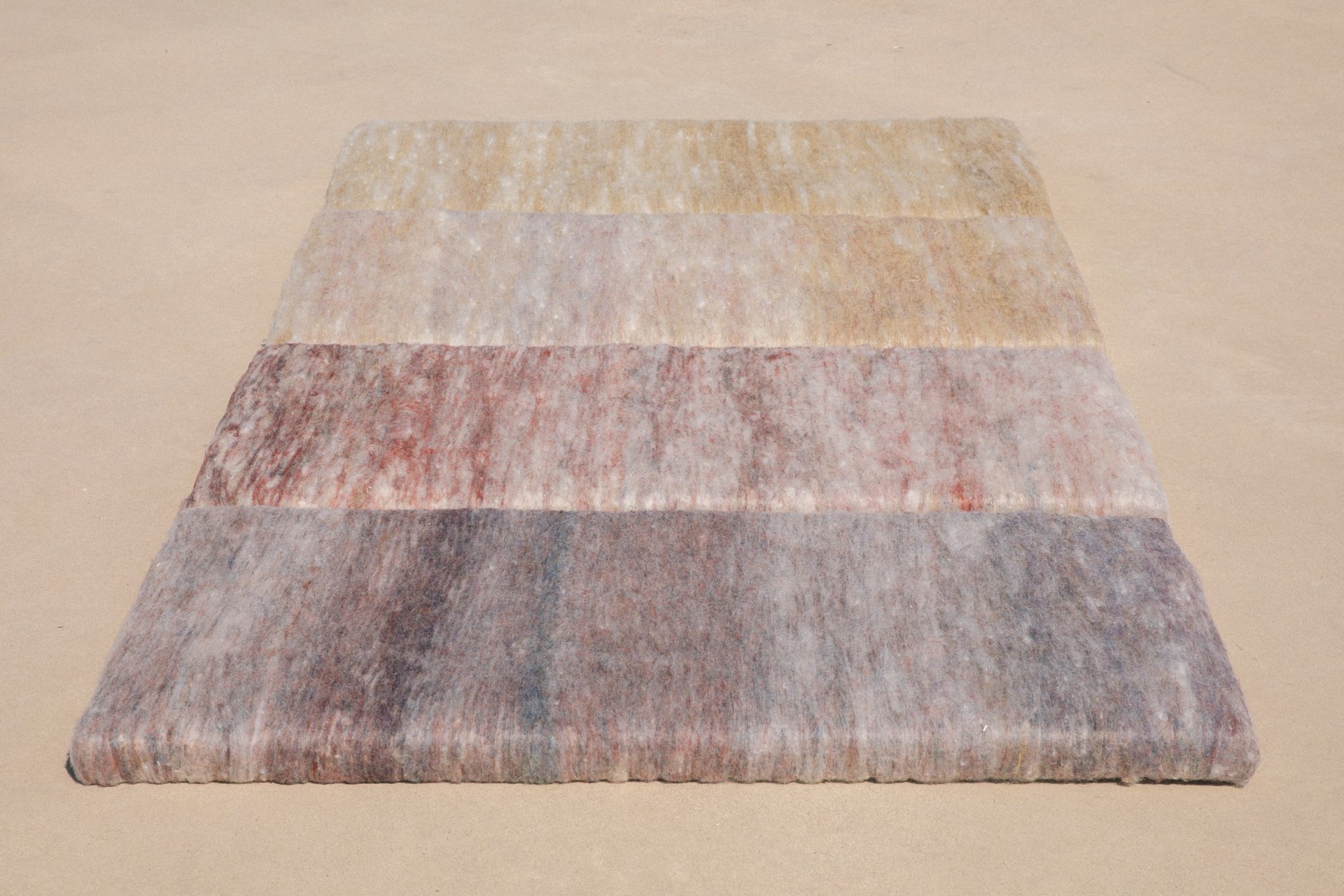
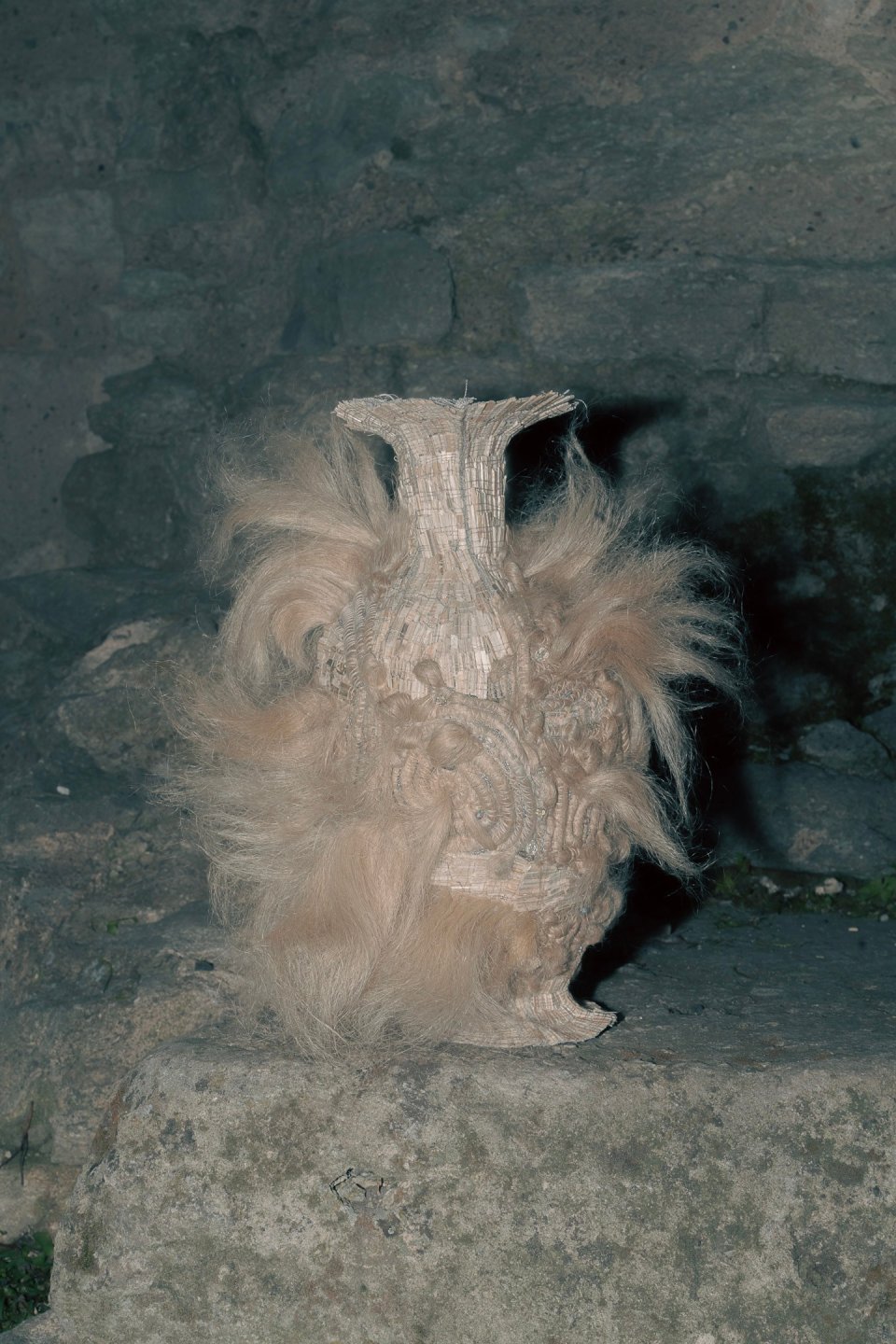
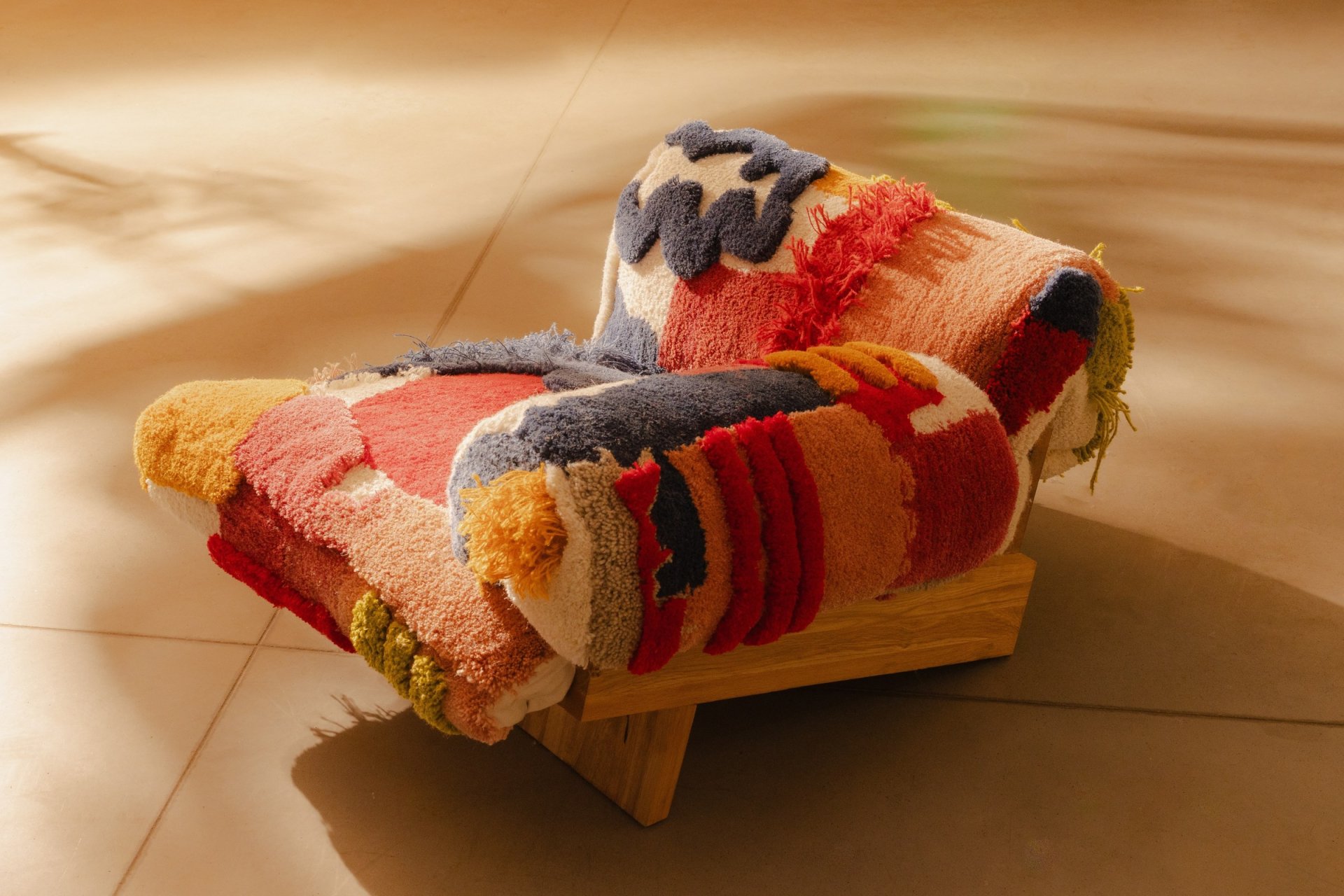
Visitors will encounter a range of works, including a hemp chair, a modular wall, acoustic panels, tapestries and bags. Hemp will also be brought to life through movement: organic forms made from hemp paper will animate a stop-motion film. The exhibition brings together ten original works united by a single material, accompanied by photographs by students from the Studio of Photography II at UMPRUM. Alongside the finished pieces, the exhibition presents the studio’s ongoing material research. In Eindhoven, the studio will share the full story of hemp, connecting the cultivation and processing of the plant with material experimentation and individual creative practice.
What does hemp look like before it becomes yarn? What steps are needed to prepare the plant for its fibers to be processed into textiles? And what happens when a material fails to meet industrial requirements? These questions lie at the heart of a project led by Linda Kaplanová and Martin Pondělíček. The Studio of Textiles at UMPRUM has partnered with Lapka Farm in the Rakovník region, which specialises in growing and processing industrial hemp and is reviving practices that have all but disappeared from the Czech Republic over the past century.
Students were able to work directly with the raw material, following its journey from the plant and stalks to the extracted fiber. However, the fiber proved too short and contained a high proportion of hemp hurd, the woody part of the plant. As a result, it did not meet the quality requirements of conventional textile production. “This limitation became the starting point for the Studio of Textiles. Rather than asking how to adapt the material to conventional industry standards, the students began exploring what could be made from the hemp currently available locally,” says Linda Kaplanová, head of the Studio of Textiles at UMPRUM.
The students broke, combed, felted, spun and dyed the fibers, combining them with other materials. Their experiments resulted in bioplastics, tapestries, rugs, acoustic elements, objects and installations. Properties that would pose challenges for industrial processing — coarseness, irregularity and stiffness — became integral to the finished works in some projects. “We are interested in what can be created from locally grown hemp when we approach it as something more than just a material for the textile industry. What matters is how many different ways of thinking a single material can open up,” says Martin Pondělíček, assistant at the Studio of Textiles.
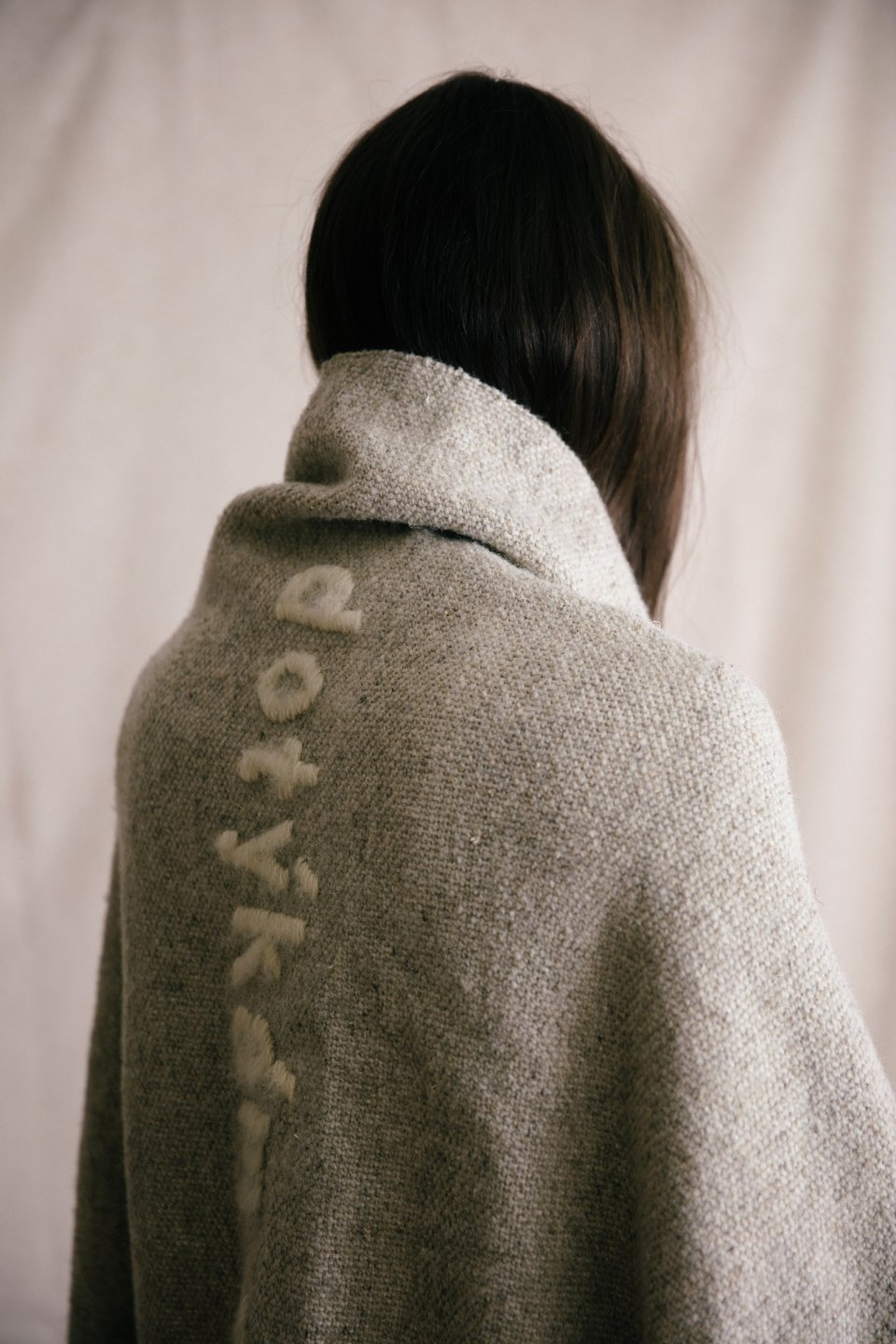
One avenue of material research involved combining hemp with another locally sourced raw material: sheep’s wool. In collaboration with Kubák Weaving Mill in Strmilov, the Studio of Textiles began experimenting with blends of the two fibers, seeking a ratio that would make it possible to spin locally sourced hemp into yarn. The most successful blend consisted of 70% wool and 30% hemp. The result is a coarser, visually striking yarn with potential applications in interior design.
The experiment also highlighted a broader issue: although industrial hemp can be grown and its fibres extracted in the Czech Republic, the infrastructure needed to support its wider use in textile production is lacking. The project also raises questions about the extent to which current legislation takes into account hemp’s potential as an agricultural and industrial raw material, for example in the production of hemp paper, oil and building materials. SOW HEMP! therefore explores not only the material itself, but also the conditions needed to enable its wider use.
The presentation at Dutch Design Week will trace hemp’s journey from a locally grown plant through experiments in processing and the development of a hemp-wool yarn, culminating in the students’ own work. The installation is built around a wooden and metal structure complemented by woven hemp strips and blocks made from hempcrete.
In addition to the Studio of Textiles and the Studio of Photography II, students from the Department of Art Theory and History (KTDU), the Arts and Design Management program (MUD), and interns from other universities are also contributing to the project and exhibition.
Exhibition concept and leadership of the Studio of Textiles: Linda Kaplanová, Martin Pondělíček
Exhibition concept and leadership of the Studio of Photography II: Alena Kotzmannová, Tomáš Zumr
Exhibiting Students from the Studio of Textiles: Anna Čekalová, Daniel Farkaš, Tereza Hlaváčková, Zuzana Kotrbová, Šimon Leffler, Natálie Malá, Ferdinand Placák, Eliška Sahulová, Anna Šípová, Martin Voráč
Exhibiting Students from the Studio of Photography II: Jan Cestr, Anna Dedecek, Klára Dostálová, Natalie Kubenková, Maria Michopulu, Emma Lea Nikodýmová, Vanessa Stefanetti, Jasmina Živcová
Exhibition Design: Sofia Artemeva, Tereza Hlaváčková
Curatorial Text: Kateřina Matějková, Veronika Soukupová
Graphic Design: Natálie Malá, Magdaléna Jedličková
Font: Pavlína Smékalová
PR: Kamila Stehlíková, Dominika Kutheilová, Kristýna Reitermanová
Production: Michaela Kaplánková
PRESS KIT: https://drive.google.com/drive/folders/1xwe1PWb8OtKFABwIzNv9xytYu0luw4xw?usp=sharing
This project was made possible with the support of UMPRUM and an AGS grant. Special thanks go to Lapka Farm, Kubák Weaving Mill, Noricum, s.r.o., the Technical University of Liberec, Masopust Studio and the Slovak Hemp Cooperative.