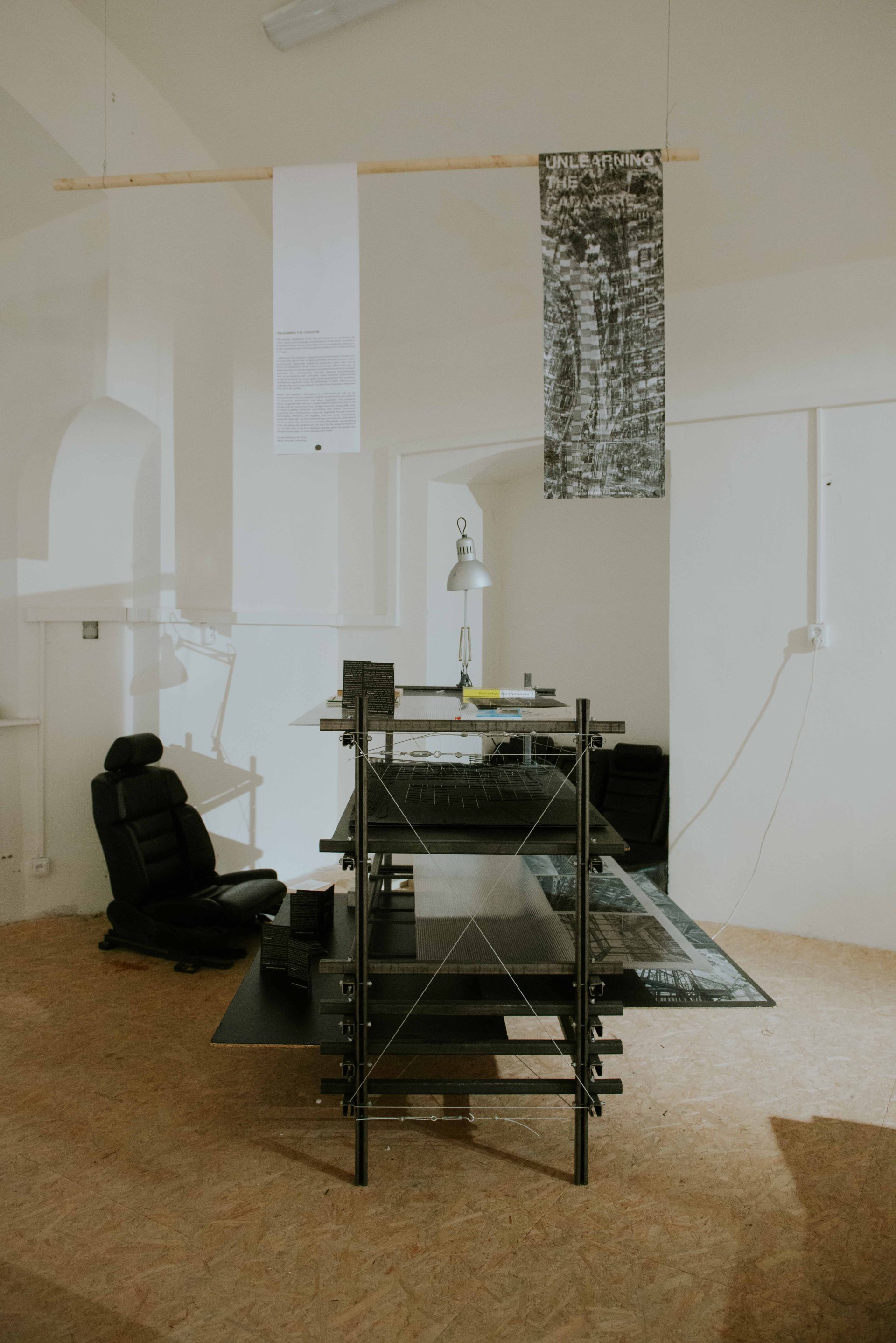
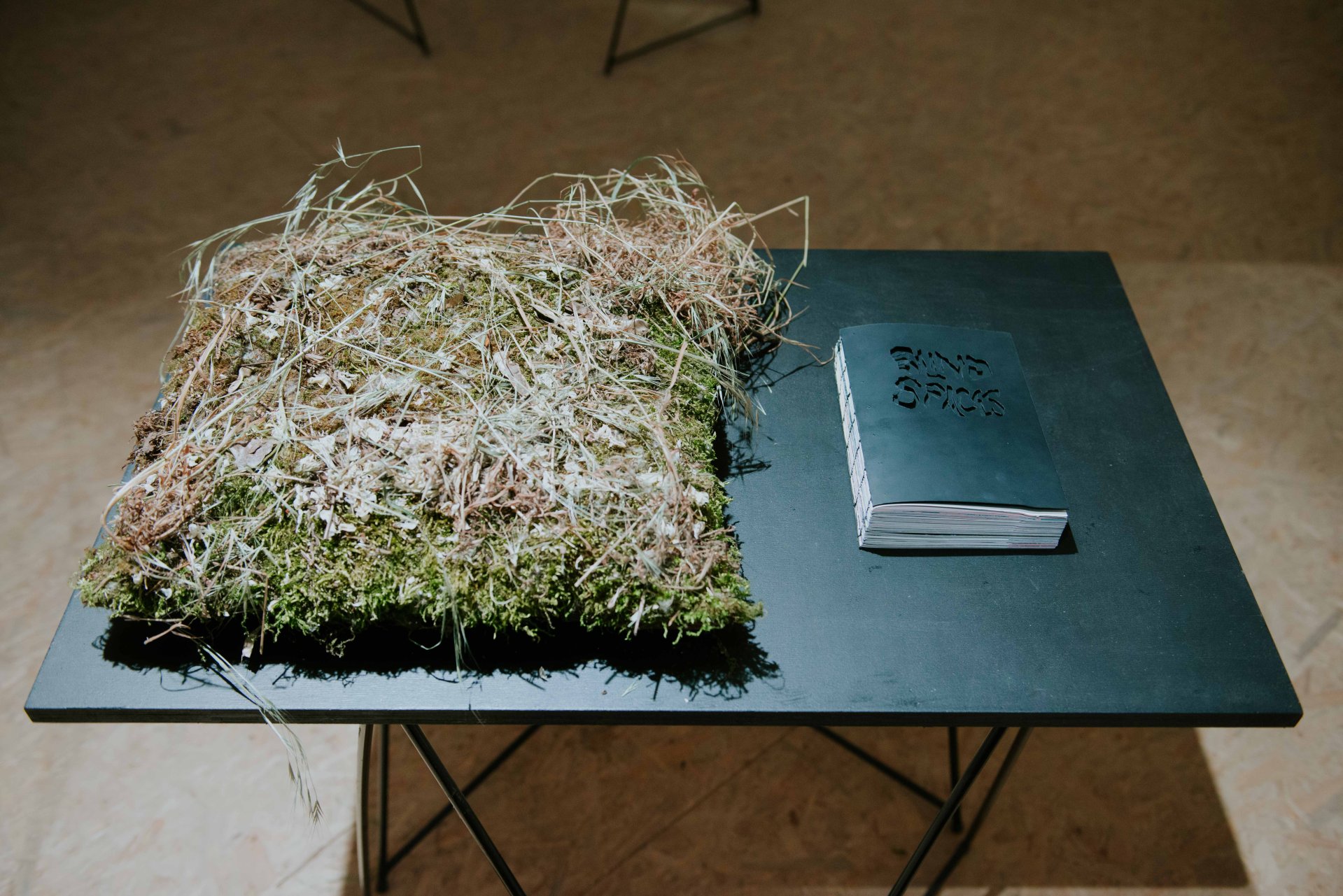
A project by Studio of Architecture I at Prague’s UMPRUM, focusing on the Karlín district of Prague, is being presented at the Tallinn Architecture Biennale 2026 as part of Capital-A Affordable architecture at the Estonian Museum of Architecture.
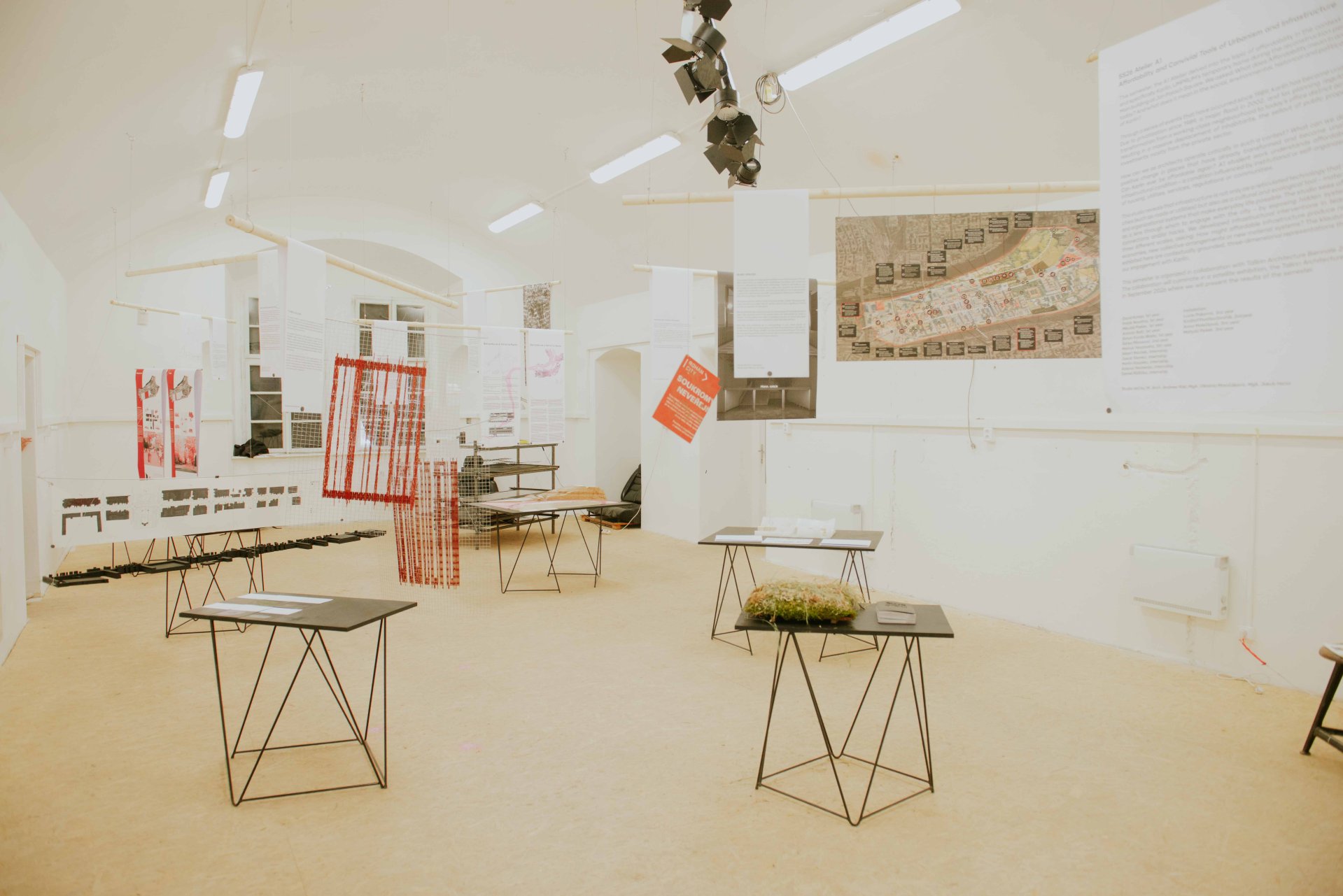
A project by Studio of Architecture I at Prague’s UMPRUM, focusing on the Karlín district of Prague, is being presented at the Tallinn Architecture Biennale 2026 as part of Capital-A Affordable architecture at the Estonian Museum of Architecture.
The international exhibition explores affordability in architecture and brings together, alongside UMPRUM, the University of Applied Arts Vienna, the Royal College of Art, the Estonian Academy of Arts, and the Kharkiv School of Architecture. It approaches affordability not only in terms of improving access and supply, but also in terms of the creativity generated by various forms of constraint. The exhibition places affordability at the centre of architectural thinking as a fundamental spatial question and challenge, rather than treating it as a marginal economic issue.
The international studio Capital-A Affordable architecture brings together students and tutors from several architecture schools, who work on a shared brief while interpreting it through their own local, institutional, and cultural contexts.
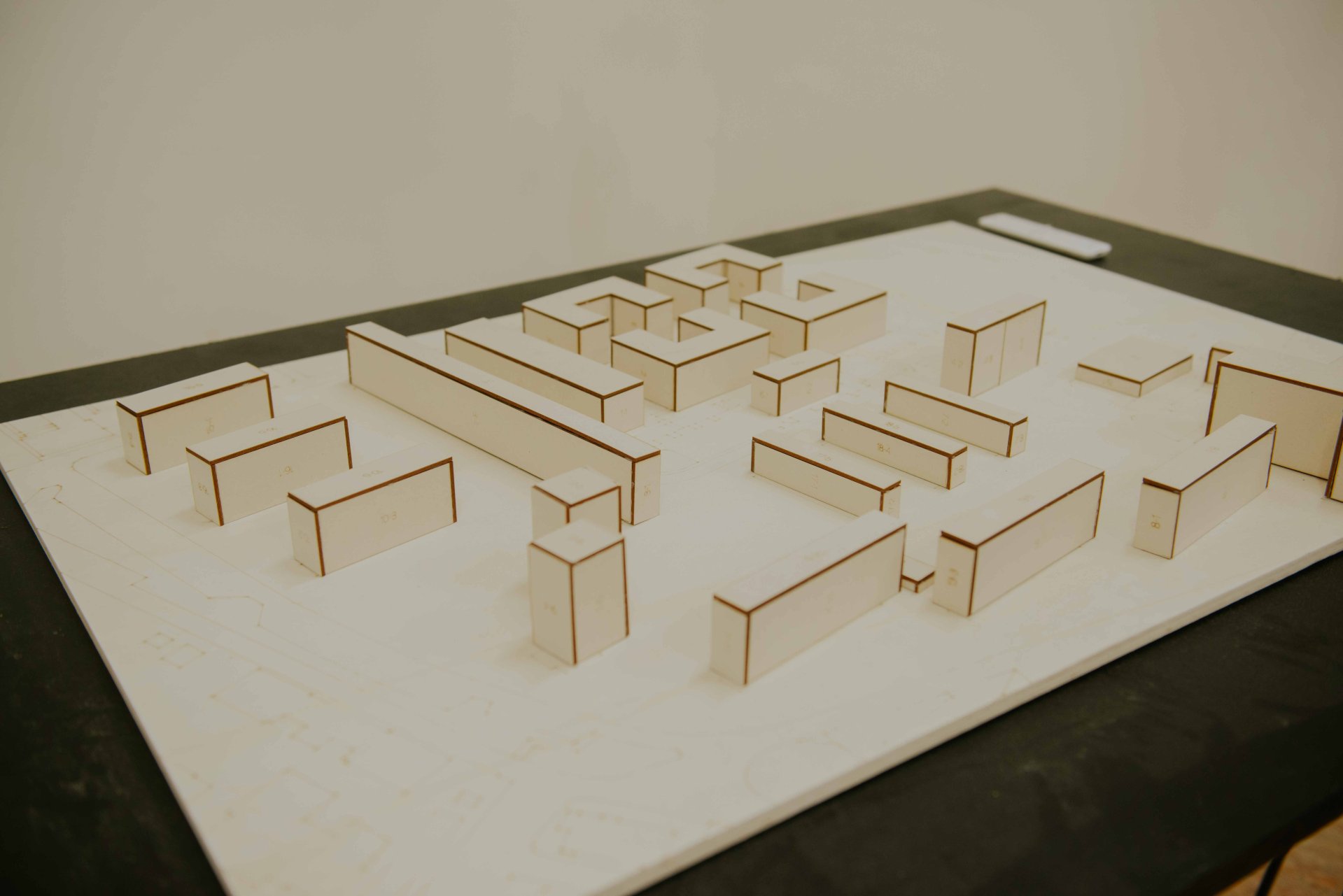
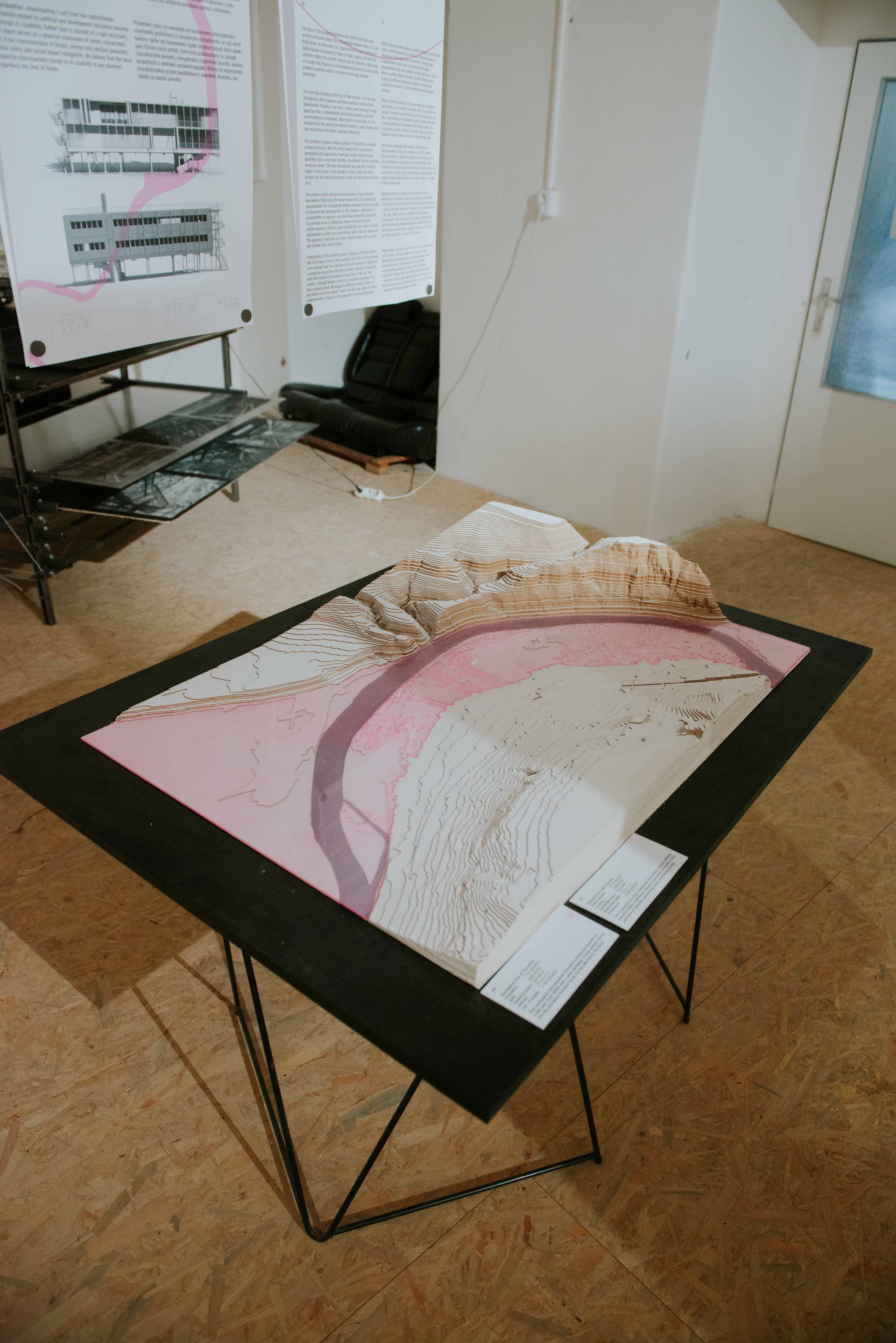
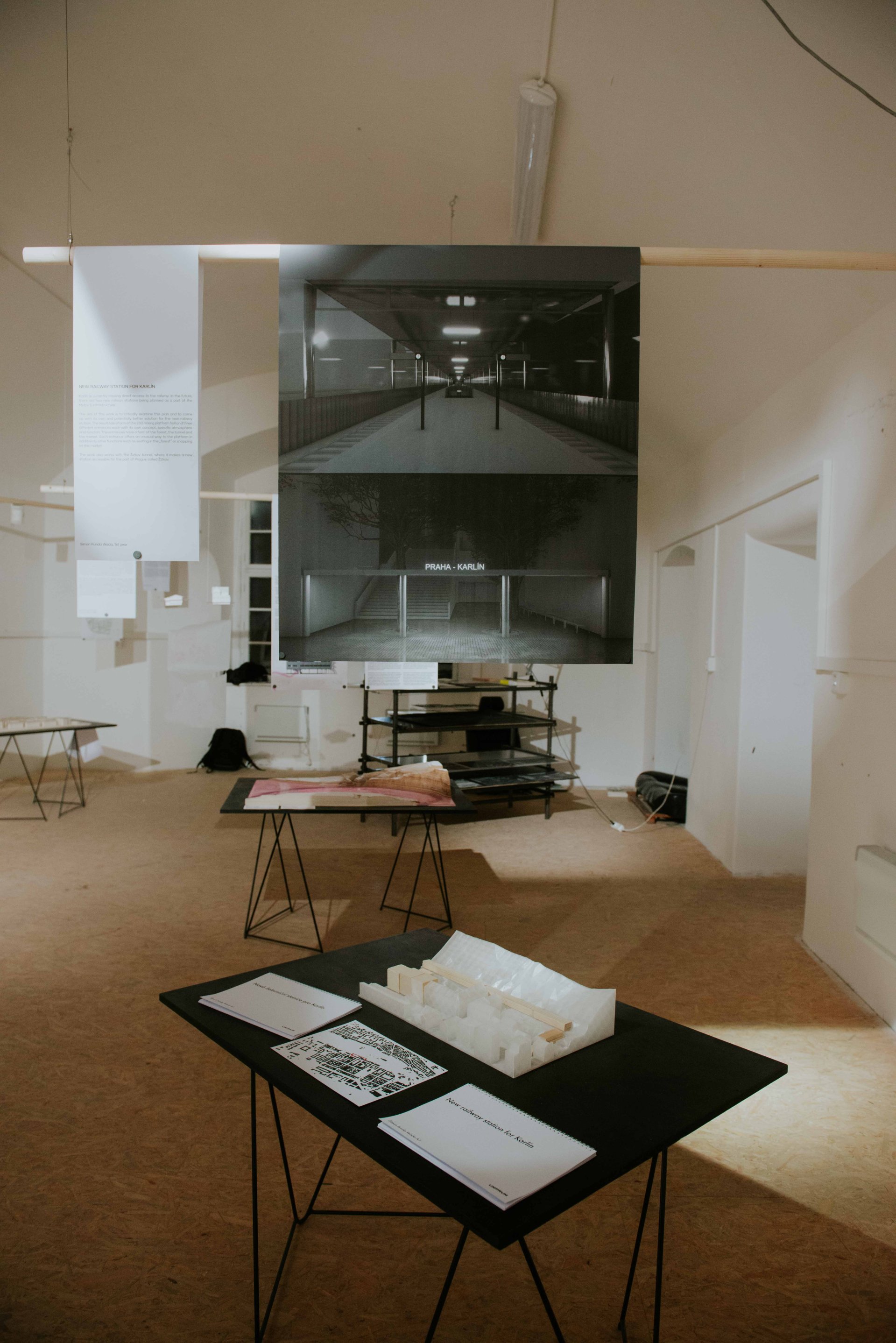
Studio of Architecture I at Prague’s UMPRUM, led by Andrew Kiel, presents the semester project Karlín – Affordability and Convivial Tools of Urbanism and Infrastructure. The project focuses on affordability in the context of Prague, specifically Karlín, where UMPRUM is temporarily based during the renovation of its main building. The central question of the project was: what does affordability in architecture mean in the social, environmental, historical, and political context of Prague and Karlín?
Since the 1990s, Karlín has become increasingly unaffordable as a result of a series of events and processes. Its transformation from a working-class district into today’s office district was accelerated by major floods, privatisation, and planning regulations, which led to massive displacement, the sell-off of public assets, and extensive private investment. UMPRUM’s temporary relocation to Karlín has provided an opportunity to examine this transformed district at close range.
The students asked themselves: how can they, as architects, act within such a context? What can they do to change places that have been transformed and have become inaccessible? Can Karlín become affordable again? Are “life-affirming practices aimed at re-learning, re-inventing, and re-using existing infrastructures built in the name of capital” still possible?
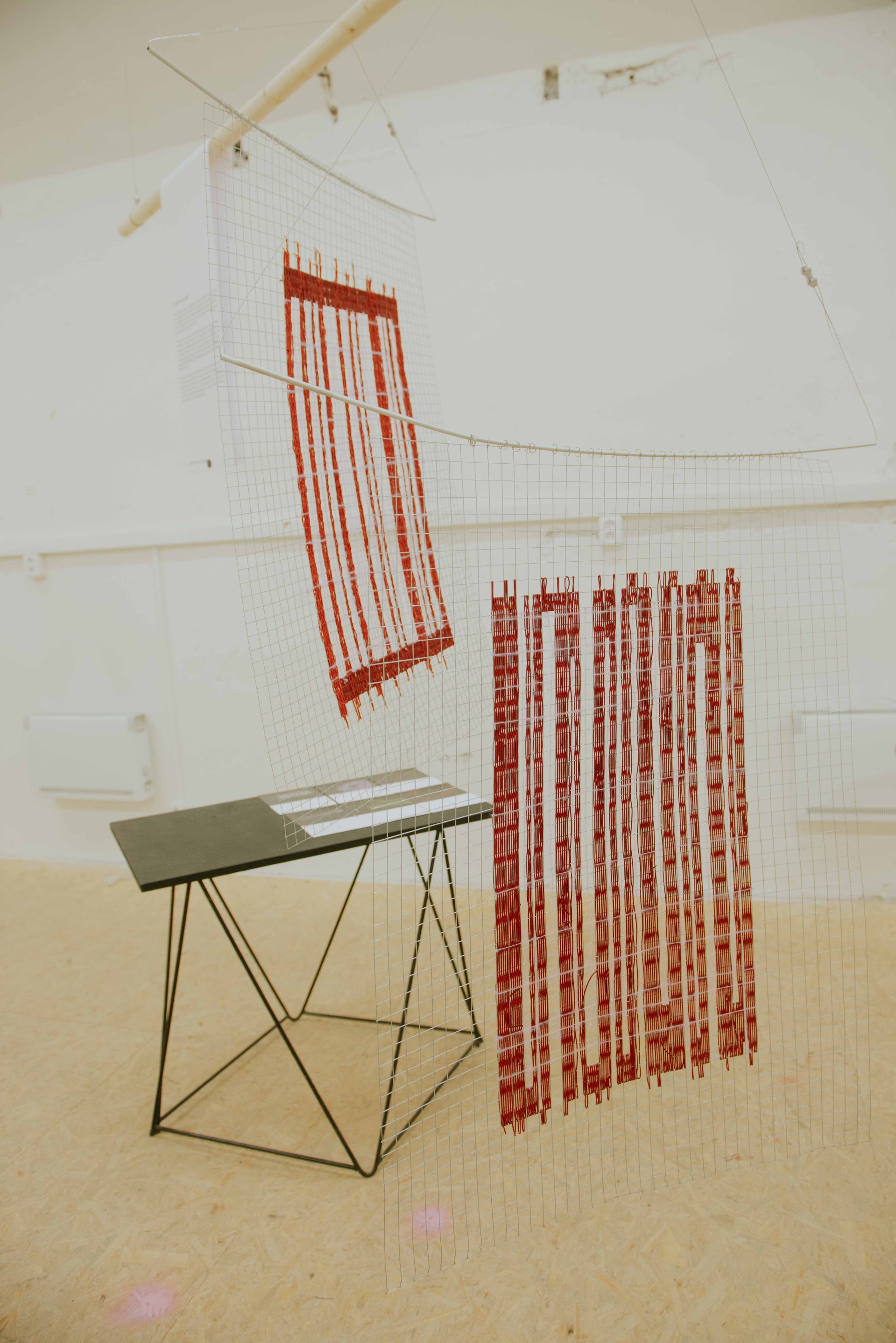
In their individual projects, the students did not seek to “solve” affordability. Instead, they approached it as a lens through which to engage with the city — by revealing hidden systems, costs, and relationships, and/or by “hacking” them. As architect Rem Koolhaas has shown, the manipulation of infrastructures — their redistribution or reinvention — is a tool that can be used in this process. The aim of the project focused on Prague’s Karlín district is to do so across different scales simultaneously.
The programme will also include a virtual public discussion presenting the resulting projects and opening up space for further reflection on their ideas and approaches.
Universities participating in the studio:
University of Applied Arts Vienna / die Angewandte (AT), UMPRUM – Academy of Arts, Architecture and Design in Prague (CZ), Royal College of Art (UK), Kharkiv School of Architecture (UA), Estonian Academy of Arts (EE).
The international studio is organised as part of the Blended Intensive Programme (BIP), hosted by the Estonian Academy of Arts.