MgA. Kateřina Krebsová
she/her
* 1995
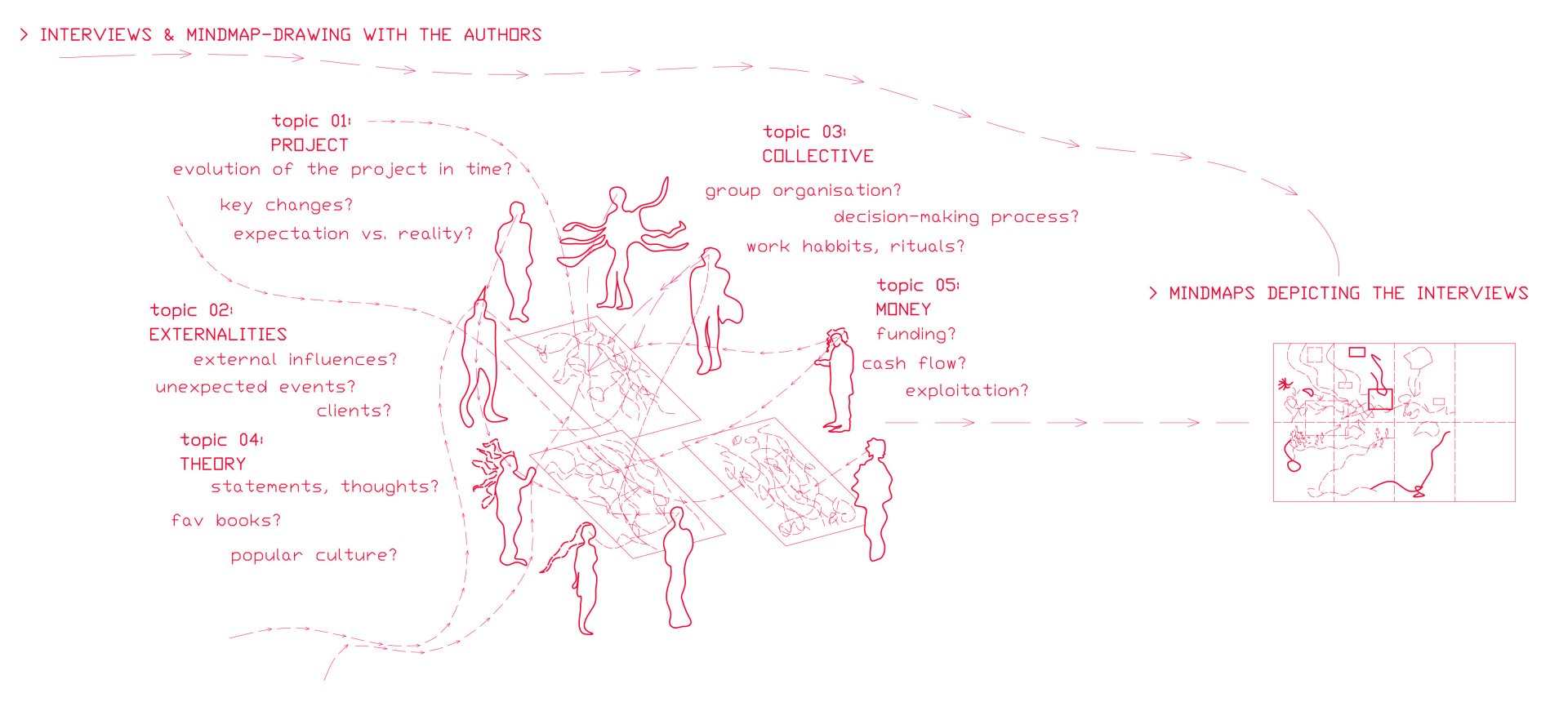
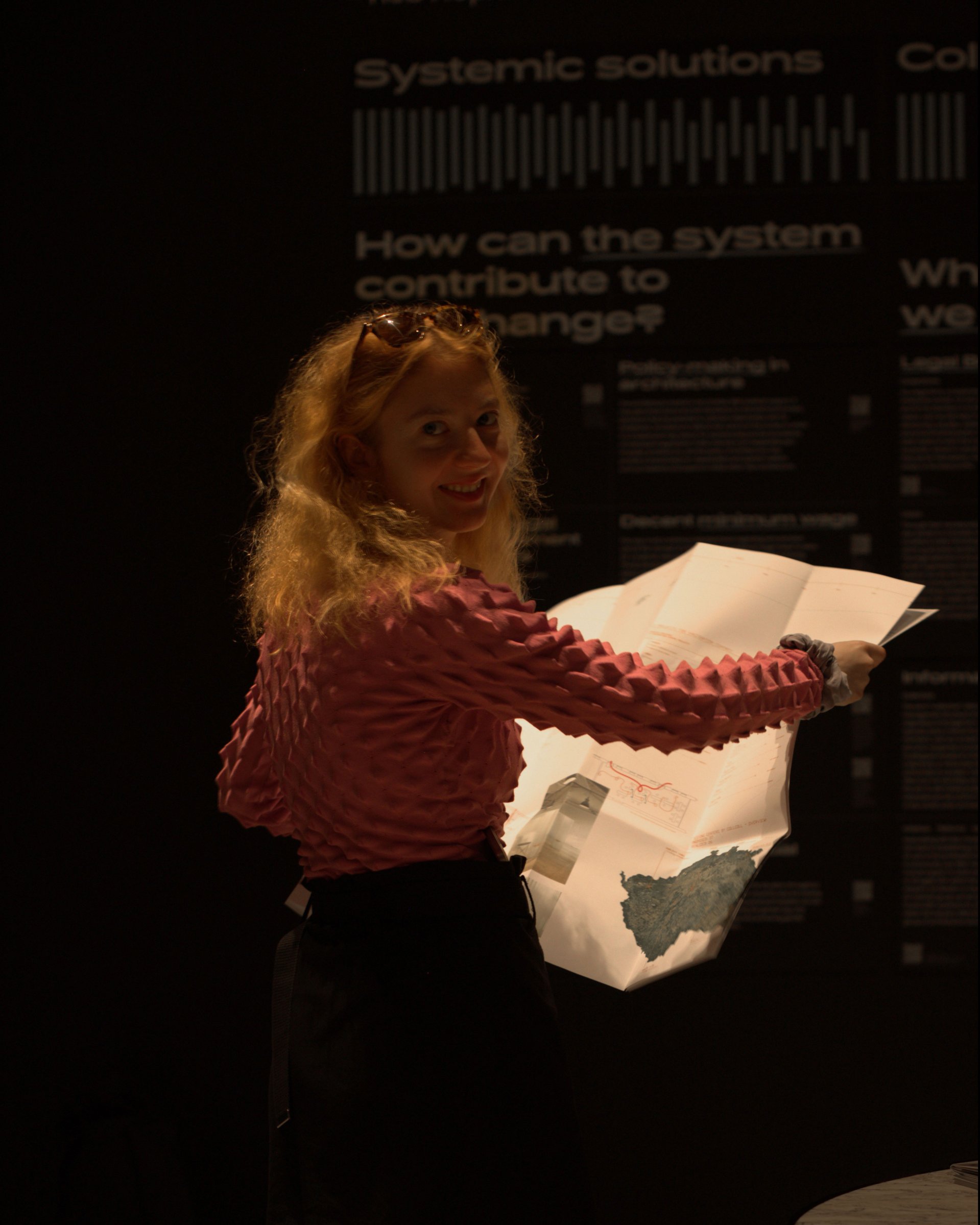
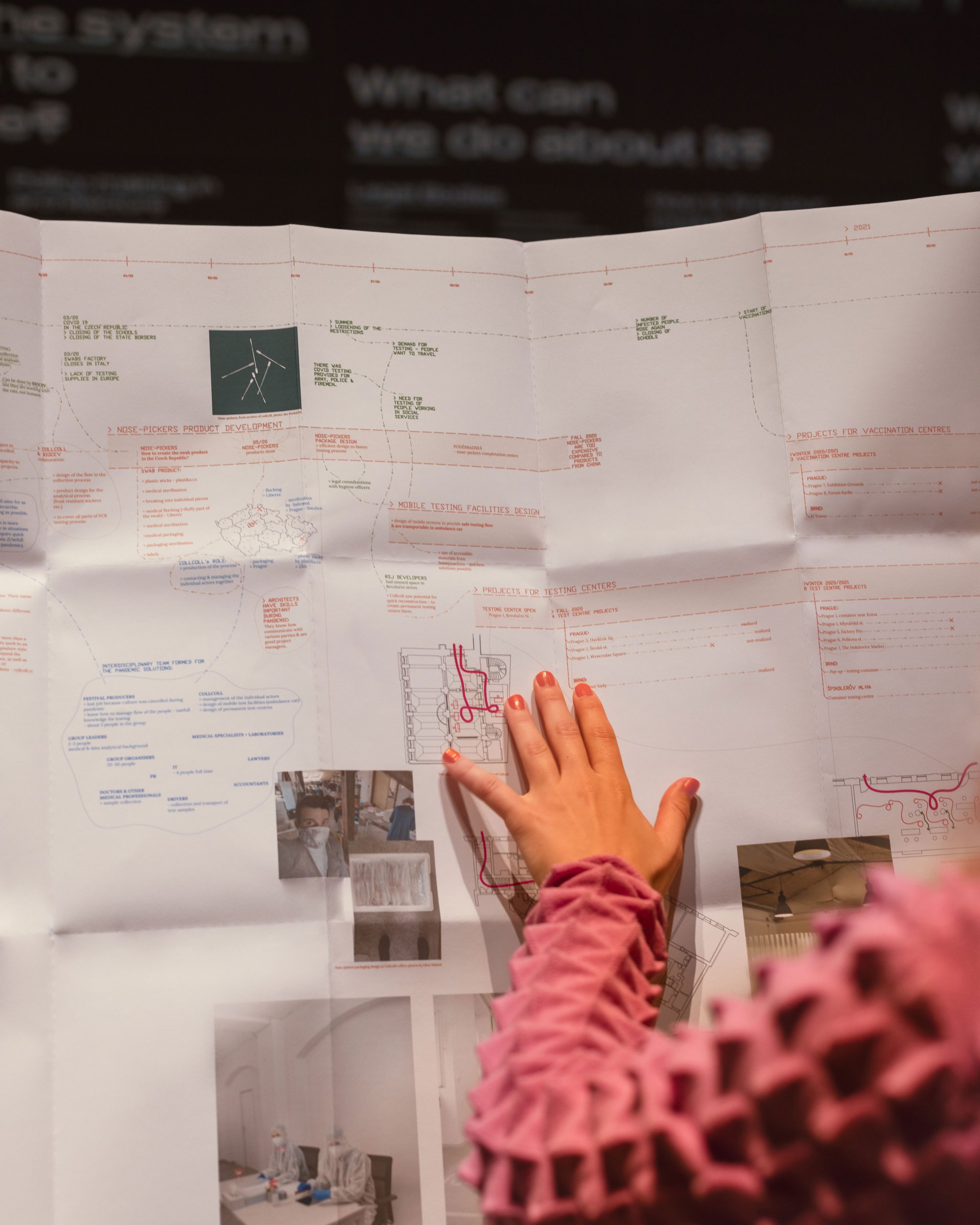
Kateřina Krebsová is an architect and researcher. Since 2022, she has been a PhD candidate at UMPRUM, during which she completed a study exchange at the Universität für angewandte Kunst Wien. The results of her research residency Archaeology of Architectural Work, that focused on mapping methodologies of critical architectural projects, were exhibited as part of the Czech exhibition at the 18th Venice Biennale of Architecture (2023).
In 2025, she conducted research on sustainability in Czech architecture within Shift: Sustainability Transitions Lab at UMPRUM. As part of the platform, she worked as researcher on the project What is Sustainable Architecture? Texts on the Possibilities and Challenges of Architecture in an Era of Polycrisis. She also collaborated on the film Architecture of Sharing: From Crisis to Resilience, about self-initiated collective housing project Shared Houses (Sdílené domy), that locks properties out of speculative market permanently. It was screened at Dutch Design Week in Eindhoven and Architekturzentrum Wien.
Between 2021 and 2022, she spent two semesters as a teaching assistant at the ZAN studio at the Faculty of Architecture, CTU in Prague. Katerina also works as an architect within the Amulet collective. She is member of the Random Radical football team.
Extended Architectural Practice and the Privatization of Contemporary City
The research focuses on modes of architectural practice characterized by the search for self-initiated briefs in response to the ongoing privatization of contemporary cities, often connected to pressing environmental and social issues. Geographically, the project is anchored in the Central European context, focusing on the analysis of projects from Czechia, Germany, Austria, and Slovakia.
The theoretical part addresses neoliberalism as a political-economic project. It examines its influence on architectural practice through the analysis of documents produced by international organizations such as the UN and the EU, reflecting on the shifting forms of neoliberal policies over time as well as the differing historical contexts of the four countries under study. These findings are complemented by insights from environmental history and architectural theory.
The subsequent part examines the working process of individual architectural collectives that respond—more or less explicitly—to this context. A key component of the project is a series of research interviews, through which I map a diverse range of projects and trace their development over time. The planned output is an atlas of expanded architectural practice, conceived as a set of methodologies responding to the challenges of contemporary design and the organization of space—ranging from topics such as ecological imagination, through the housing crisis and architectural research, to the design of spaces for communal life and educational projects. The atlas is accompanied by a proposal for a critical workshop programme titled On the Neoliberal Ruins, which invites participants to reflect on possible ways of practising architecture amid the crises of the 21st century.
supervisor: Ing. arch. et MArch. II Eva Franch i Gilabert
consultancy: doc. Mgr. Cyril Říha Ph.D.