Marek Šilar
Ph.D. students
Architecture II
1. 12. 2025
Marek Šilar is an architect, educator, and social worker. He graduated from the Faculty of Architecture at the Czech Technical University (Ing. arch.) and the School of Architecture at the Academy of Fine Arts (MgA.), and also completed an internship at K.O.V. studio at UMPRUM. His work explores the intersection of architecture and social sustainability. Beyond professional practice, he engages in theoretical research, focusing on non-normative perceptions of space, discursive barriers, and epistemic inequality. His architectural research draws on methods from social work and ethnography. Past collaborations include organizations such as Architecture for Humanity, Inclusion Europe, and the American Institute of Architects. A member of the international collective Beyond Words and the Czech Chamber of Architects, he has also taught the course Architecture and Inclusion at the Academy of Fine Arts. His projects have been featured in group exhibitions at Galerie Rudolfinum, the National Gallery Prague, The Design Museum Munich, and Galerie AVU.
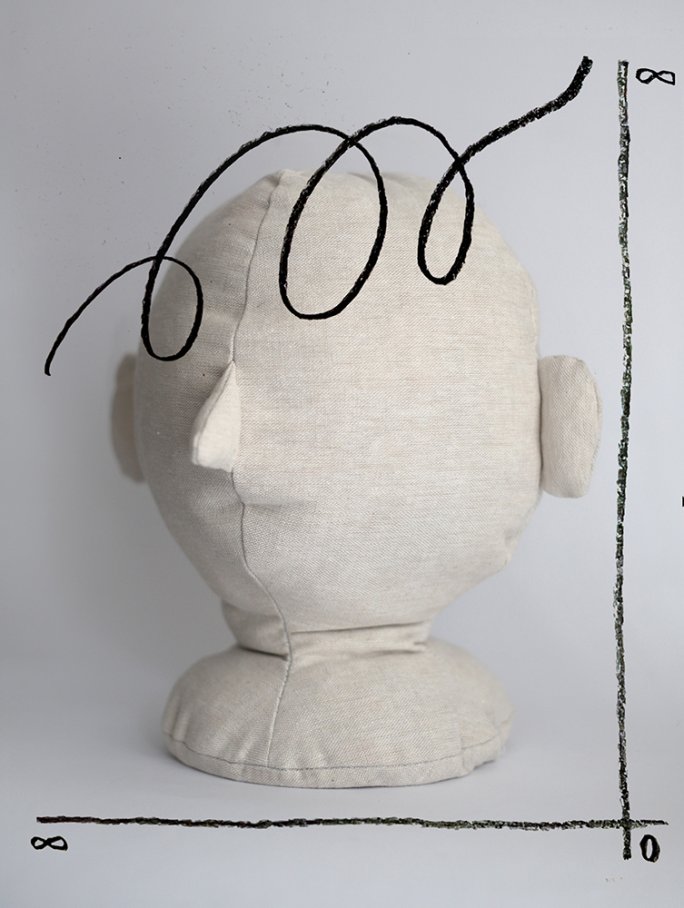
Architecture in the Reflection of a Non-Normative Mind
supervisor: Eva Franch i Gilabert
The proposed dissertation addresses the relationship between architecture and intellectual non-normativity. Instead of focusing on the integration of individuals with intellectual disabilities into mainstream society, it emphasizes the depathologization of difference, the search for new participatory design methods, and the subsequent transformation of society in favor of diversity and greater sensitivity. In this context, disability is not seen as a deficiency but rather becomes a tool of architectural critique, commenting on how the physical environment is shaped and who is excluded from these processes. The theoretical dimension of the work then transitions into entirely practical aspects, aiming to explore what proactive tools can complement existing standards, how specific needs may influence housing typologies, and how to define the role of the architect as an accompanying figure. The work aspires to become a methodological tool in the deinstitutionalization of social care