13th of February 2026 – 3rd of April 2026
Gallery of the Czech Centre Tokyo, 2-16-14 Hiroo, Shibuya-ku, Tokyo
The Studio of Textile Design at UMPRUM presents the project Common Ground, focused on processing Czech sheep fleece in Japan. Following its successful presentation at last year’s FUJI TEXTILE WEEK 2025 in the city of Fujiyoshida in Yamanashi Prefecture, the works of Czech students have been moved to the gallery of the Czech Centre Tokyo.
The Common Ground project was developed as part of a course focused on rethinking the wool industry in the Czech Republic. Domestic sheep farming primarily concentrates on meat breeds, which produce coarse wool with limited commercial use. Since this fleece is often perceived as waste rather than a valuable raw material, UMPRUM students sought to draw attention to its potential for further utilization. They explored its expressive and creative possibilities. Rather than forcing the wool into a predetermined form, they listened to it. The project represents an experiment in relinquishing control and opening space for the material itself. In doing so, it revealed that even the fleece of Czech sheep holds irreplaceable value.
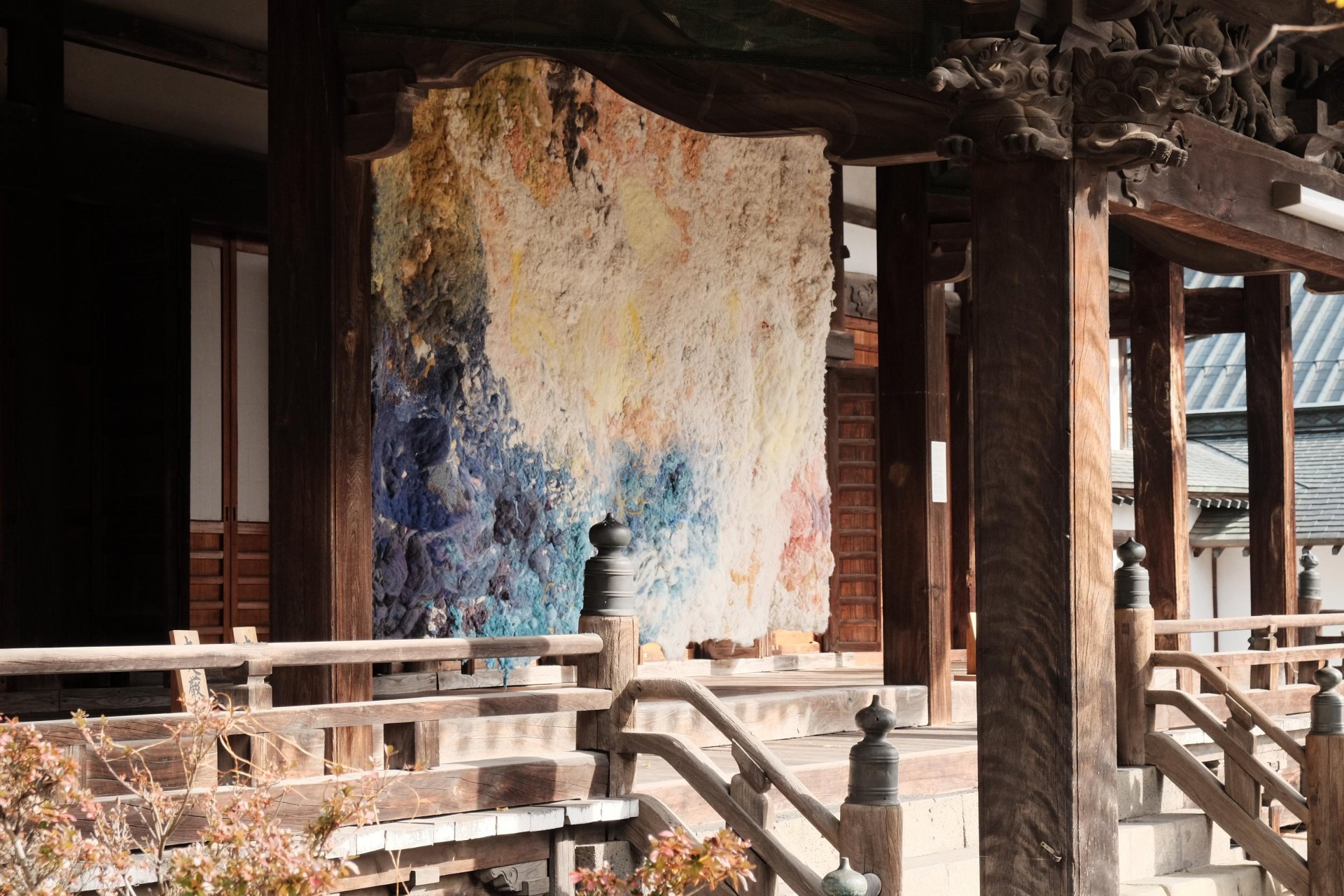
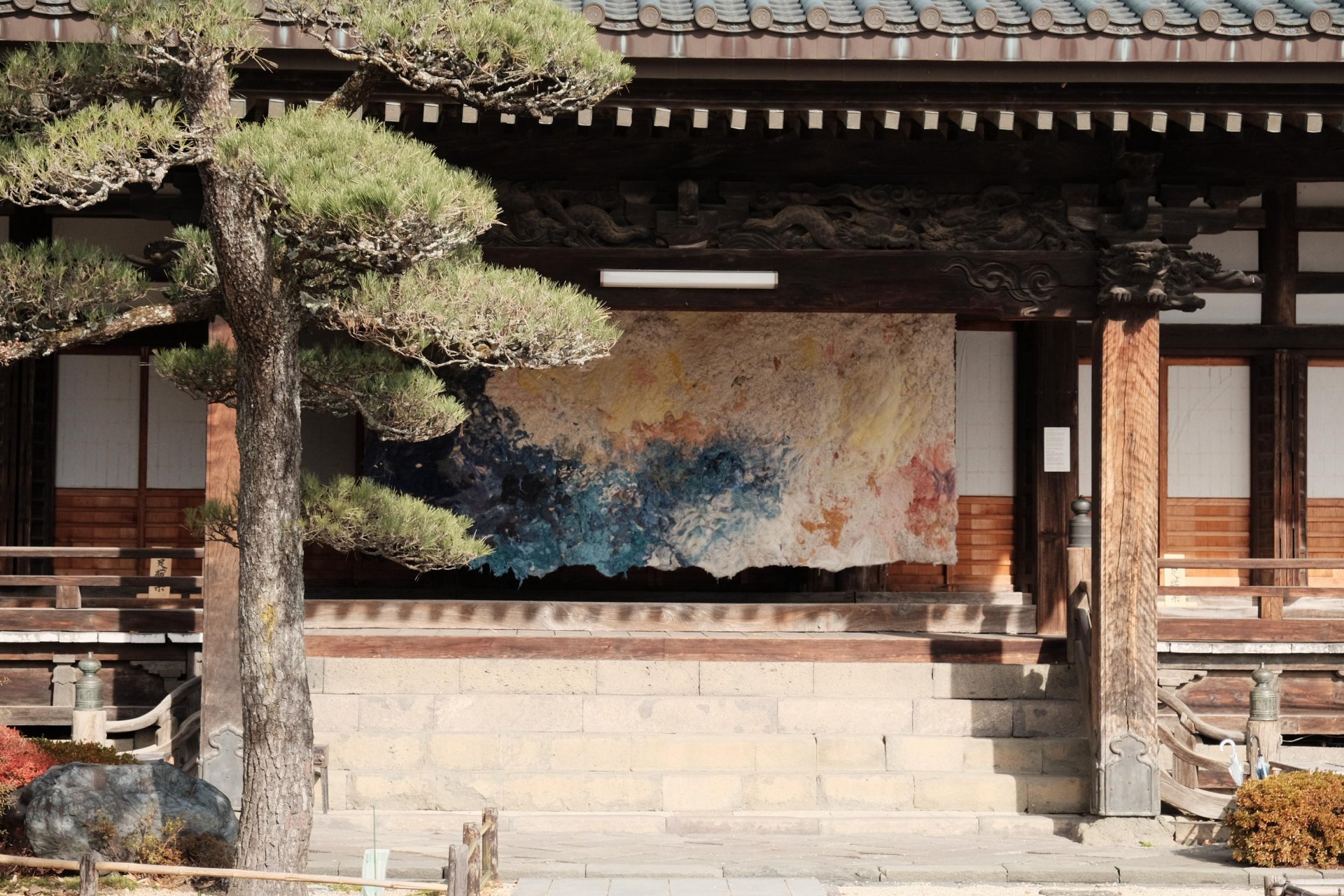
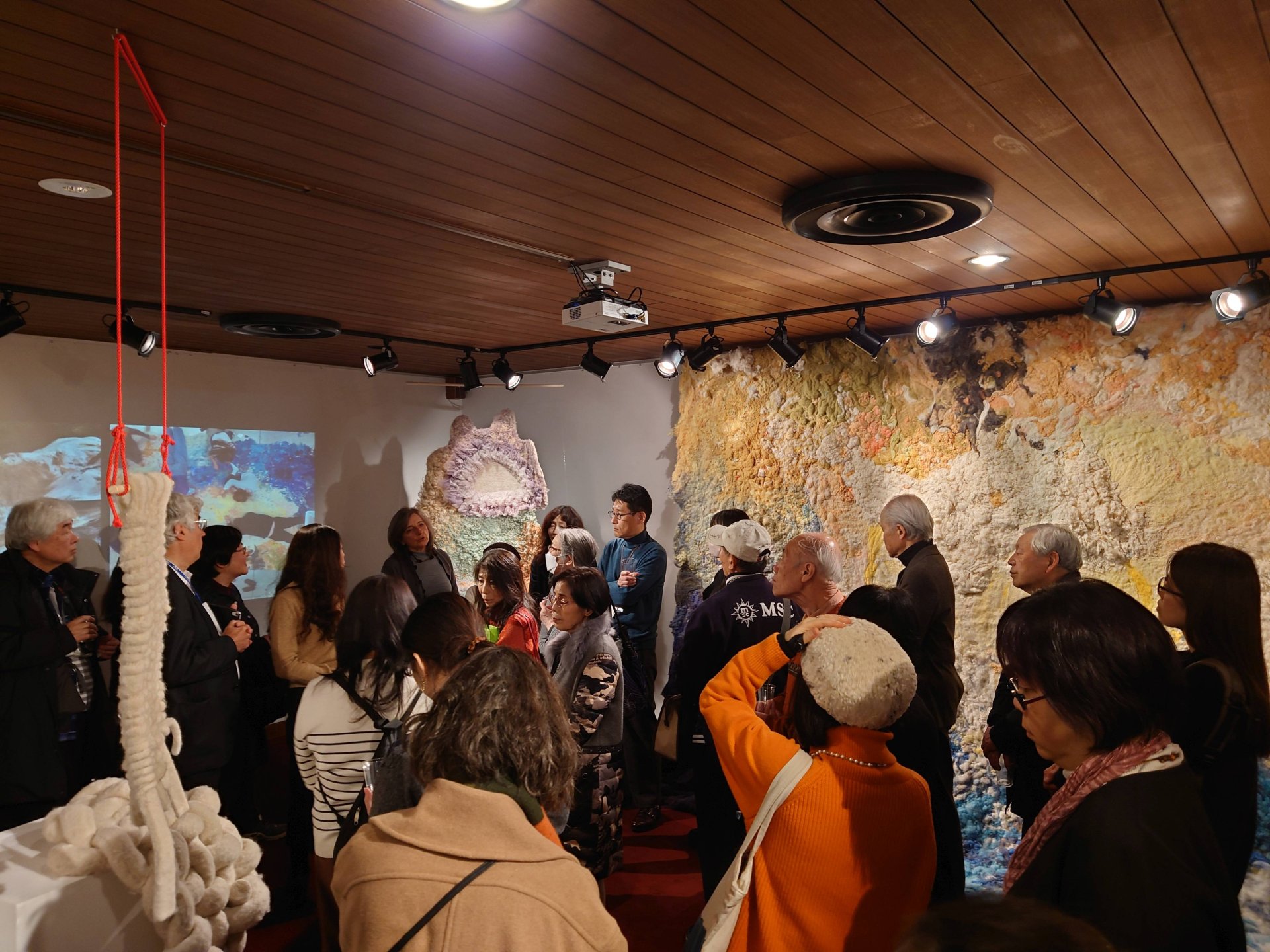
The centerpiece of the exhibition at the Czech Centre Tokyo is a large-scale wool tapestry titled “It is Hot and in that Garden There Is Shade and Coolness,” measuring 3 × 5 meters. It was created as a collective work by the studio’s students. The piece materializes various layers of relationships, reciprocity, and shared existence among the students and their creative practices. Wool becomes a transformative medium—an active participant in the process—shifting from the subjective to the collective, both formally and psychologically. The tapestry thus changes its meaning from an image into a performative and immersive form—both tangible and intangible—connecting minds, bodies, movements, needles, and material.
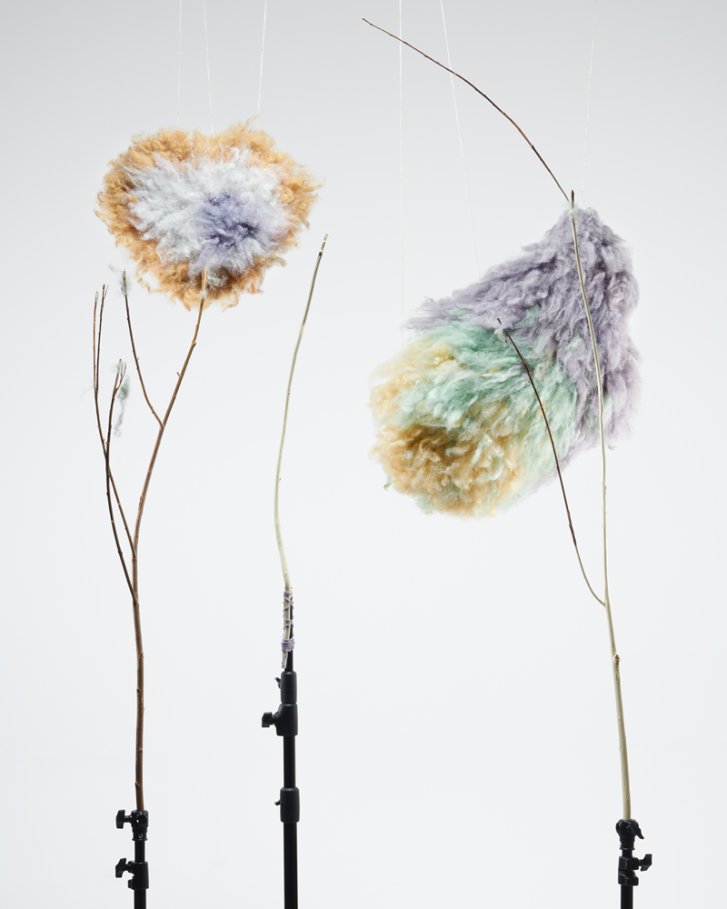
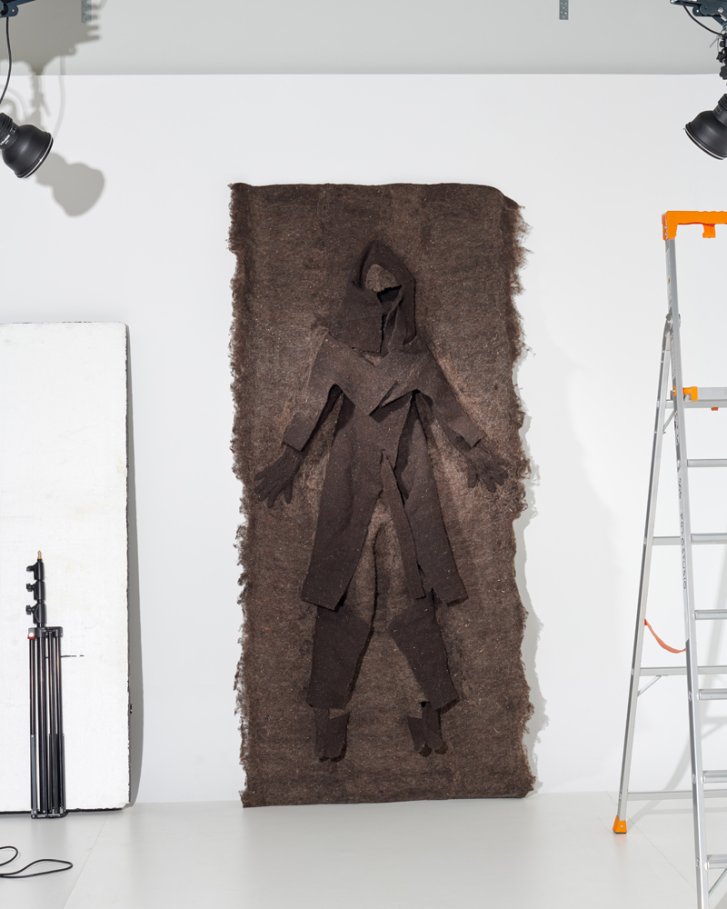
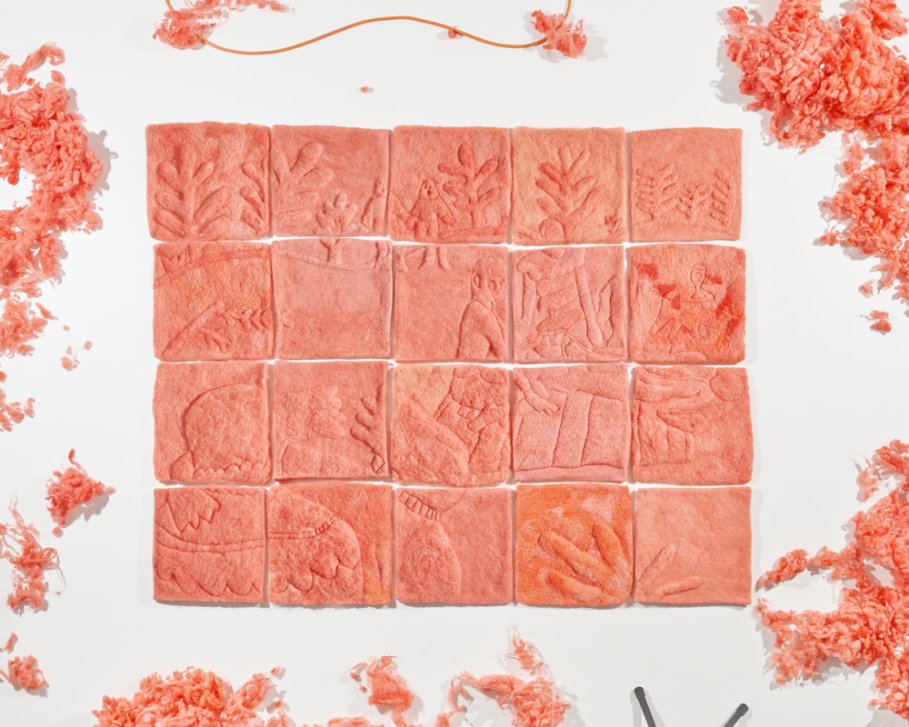
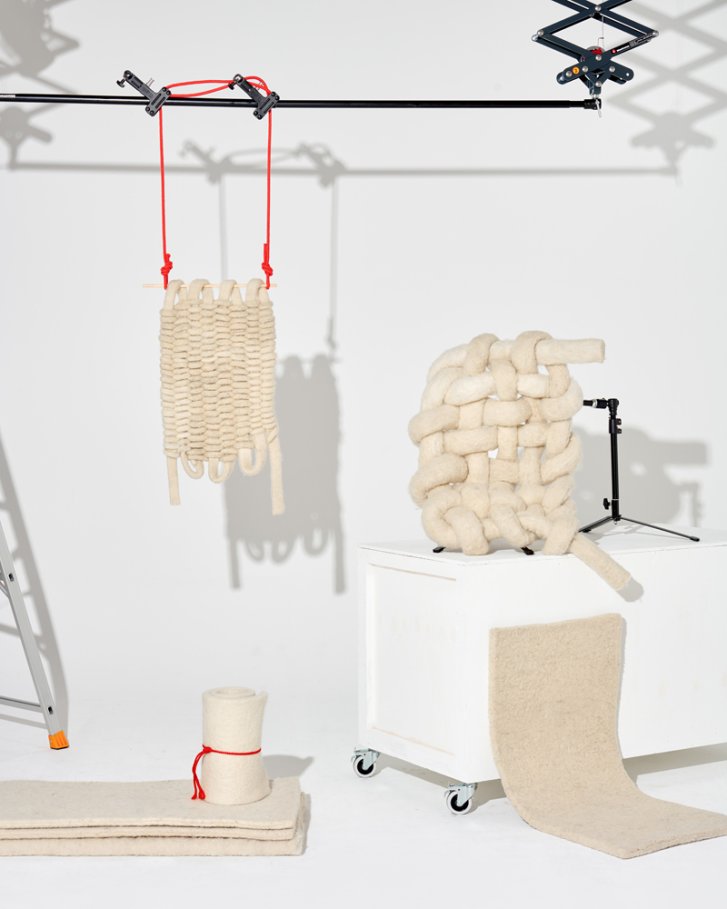
Also featured are selected works from the joint project of the Textile Studio and the K.O.V. Studio titled Wool. One example is Nourish Your Microbiome by Eliška Gogolová and Bára Tetaurová, which works with the use of soil bacteria. Through a special suit made from waste wool, it is possible to harness the benefits of microorganisms for the human body. The project Carding Wool by Dita Koubek and Daniela Rychlá was inspired by a cooperative historical technique used for cleaning and opening up wool fibers. The wool processed in this way was dyed with natural pigments and transformed into a high-pile tapestry. The authors were interested not only in traditional methods but also in the aspects of collective work. Fashion and Fetish by Zuzana Kotrbová and Dorian Komárek perceives wool as a sensory experience, as a potential fetish, and as a tool for creating a safe environment. They translated this idea into a pink wool mosaic composed of relief tiles depicting a scene inspired by Le Déjeuner sur l’herbe and the Woolies group. The project Health and Body by Simona Svitková and Jan Petrů employs felting techniques and the benefits of the material processed in this way. Using this method, they created a series of objects that, in addition to their aesthetic value, also function as thermal, acoustic, and sensory insulation.