winter term 2026/27
winter term 2026/27
This semester, we decided to set an open-ended brief, allowing students to develop their own project assignments. We wanted to connect the theme with the landscape, observation, and the uncovering of what appears to have been lost. Together, we are searching for unfinished, abandoned, and forgotten structures scattered throughout the landscape. The concept is inspired by the fragments of ambitious engineering projects from the first half of the twentieth century. For this reason, our search for these structures will focus primarily on this historical period.
Together, we will attempt to map different types of architectural fragments in the Czech landscape. We want to uncover their stories and identify their potential in the present day. The outcome of this initial phase will be a comprehensive catalogue produced by Studio A4, entitled Fragments in the Czech Landscape. Throughout the semester, we are collaborating with Jan Hasil and his colleagues from the Zdivočelá země project.
Based on the catalogue, each student will select at least one specific site. They will visit the site in person, formulate their own architectural brief, and subsequently develop a proposal using an appropriate architectural language.
Interdisciplinary collaboration between students and artists, landscape architects, historians, and other specialists is also encouraged.
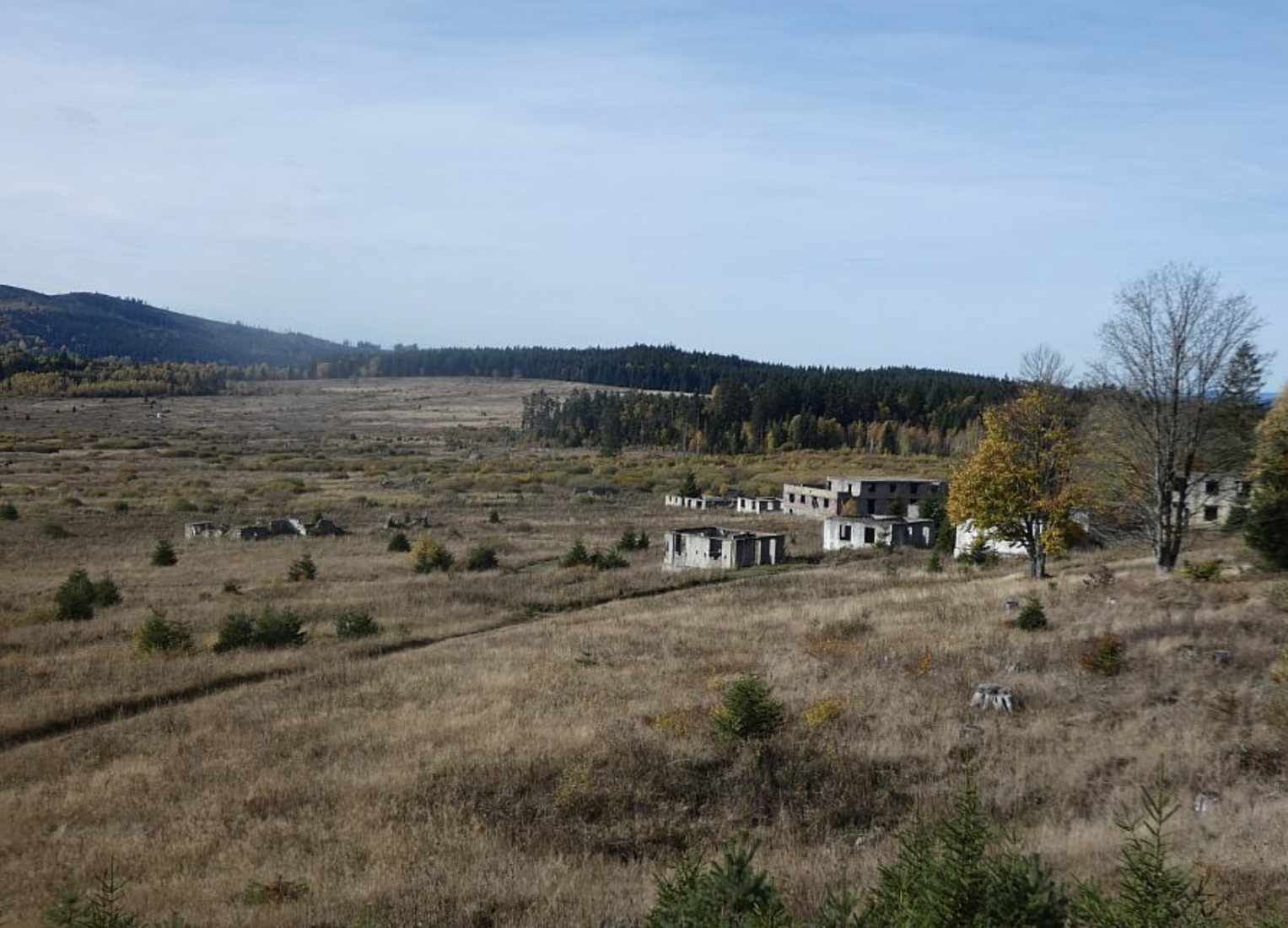
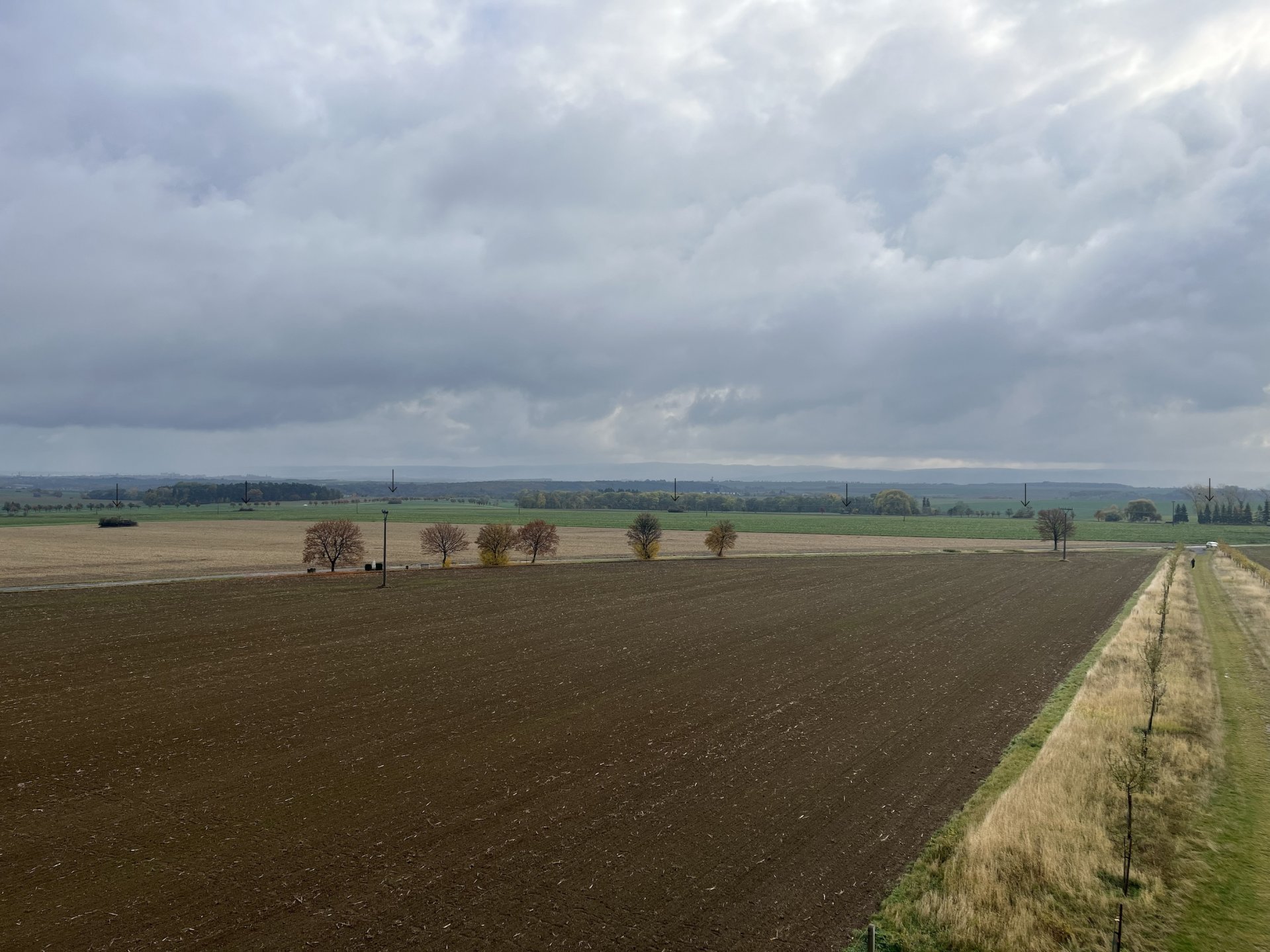
Antonie Bakošová – Boletice Military Training Area
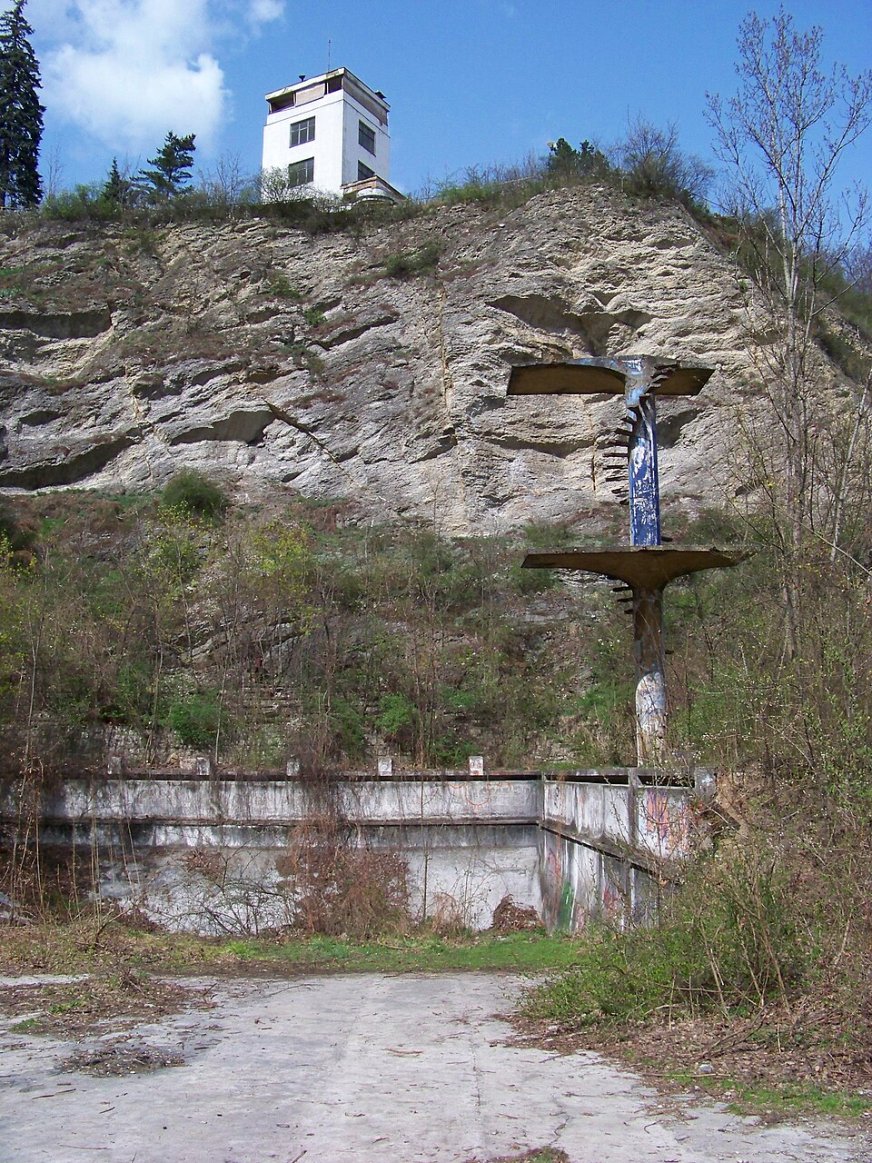
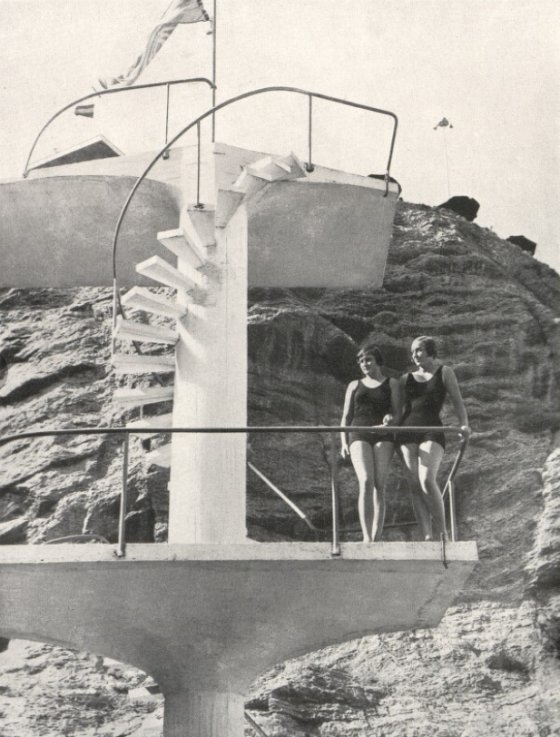
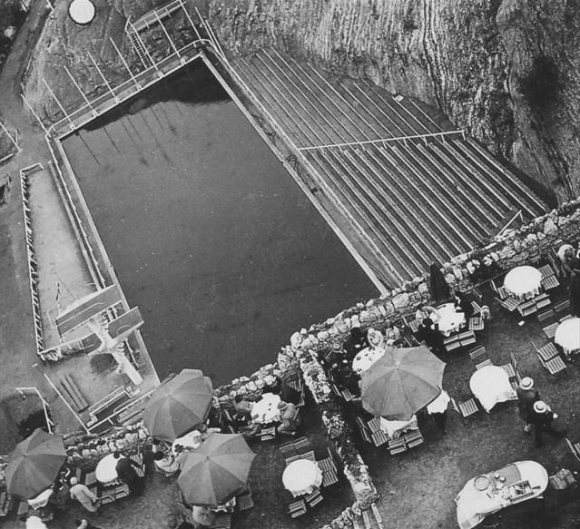
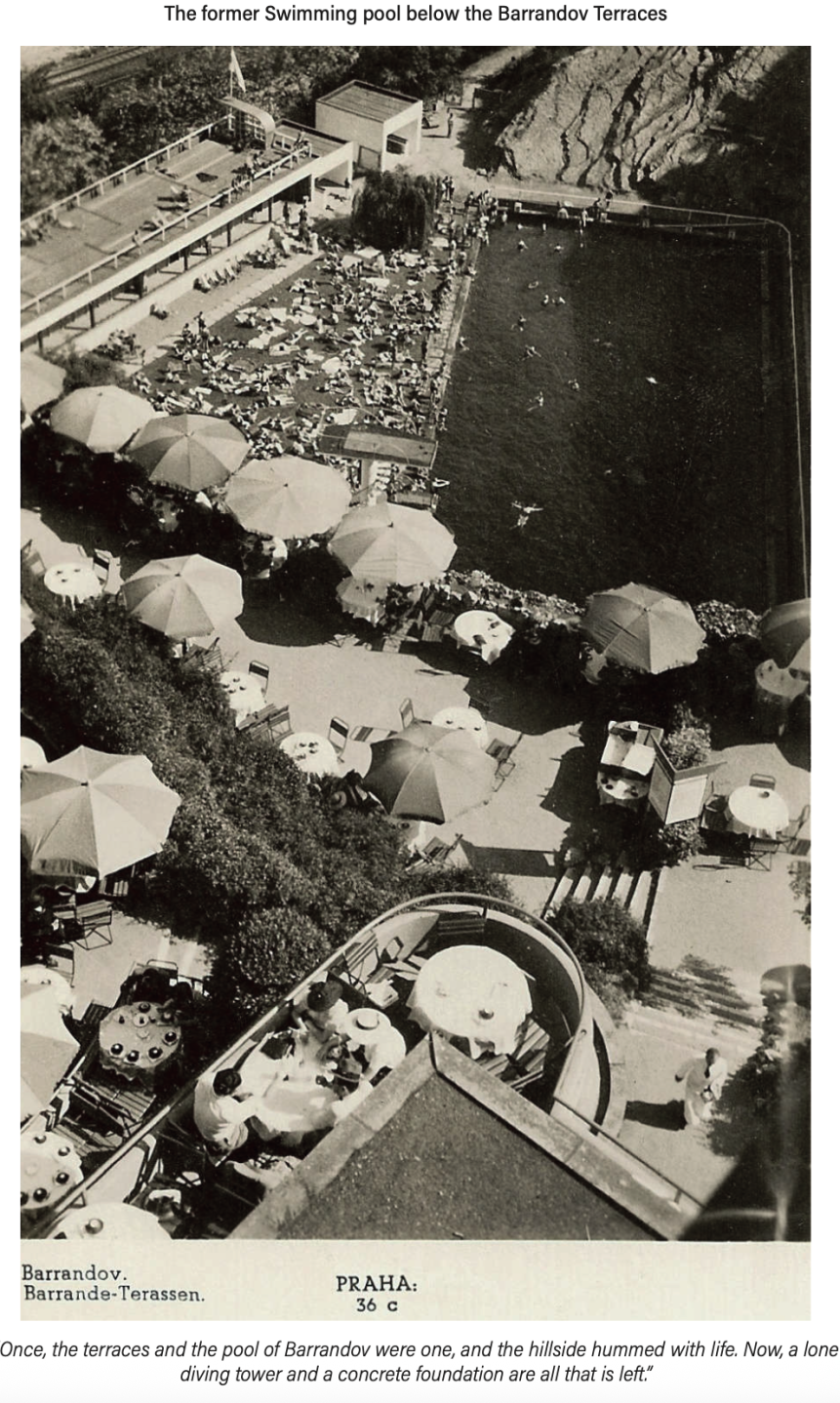
Ellinore Felicia Dahlberg – Swimming Pool beneath Barrandov
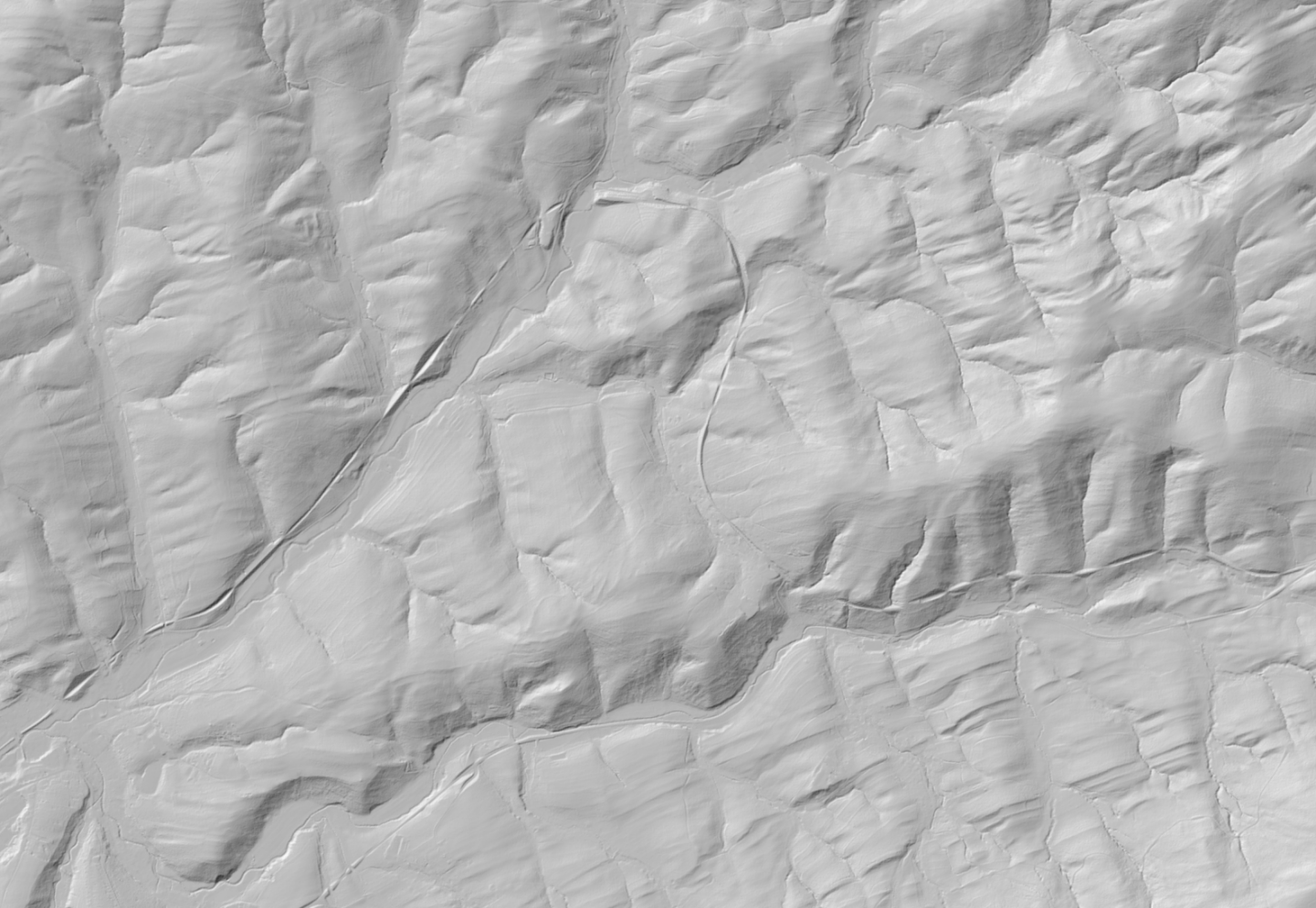
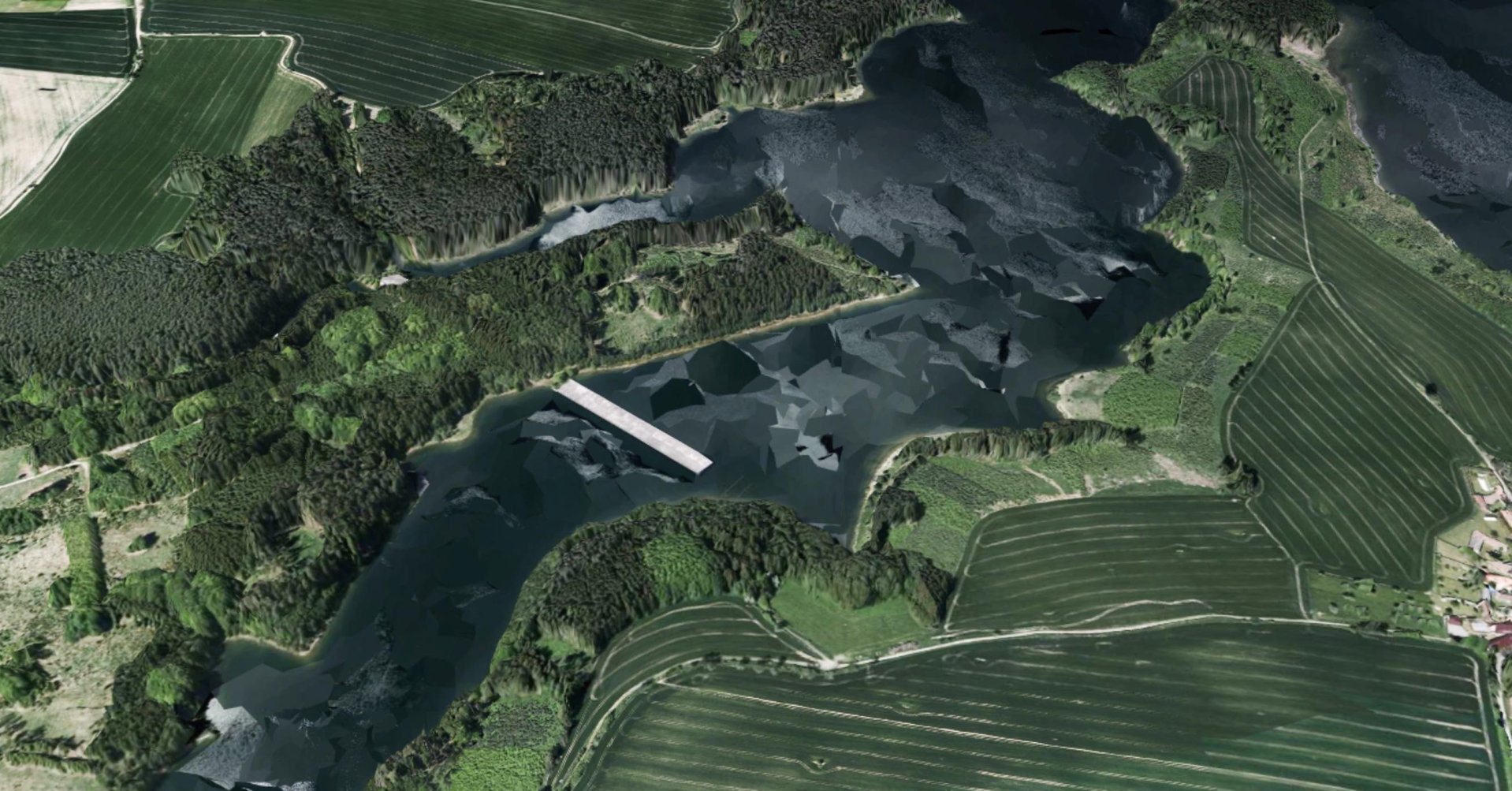
Barbora Dvořáková – The Unfinished Baťa Motorway in the Chřiby Hills
Baťa’s objective was clear: to break through the barriers separating Bohemia from Moravia and Moravia from Slovakia. The planned 980-kilometre motorway was intended to connect Cheb, via Prague, Brno and Zlín, all the way to Veľký Bočkov, on what is now the Ukrainian–Romanian border.
While the section from Prague to Humpolec crossed relatively flat terrain, the greatest engineering and logistical challenge was posed by the small but rugged Chřiby Hills in central Moravia. Looking at the map, one might wonder why the planners chose to route the motorway directly across the demanding ridge of the Chřiby Hills, close to their highest peak, Brdo, when it could have bypassed the massif to the north, towards Kroměříž and Otrokovice.
The reasons were purely practical. The direct route through the hills represented the shortest possible connection to Zlín, following an almost straight line and resulting in significant savings in both time and materials.
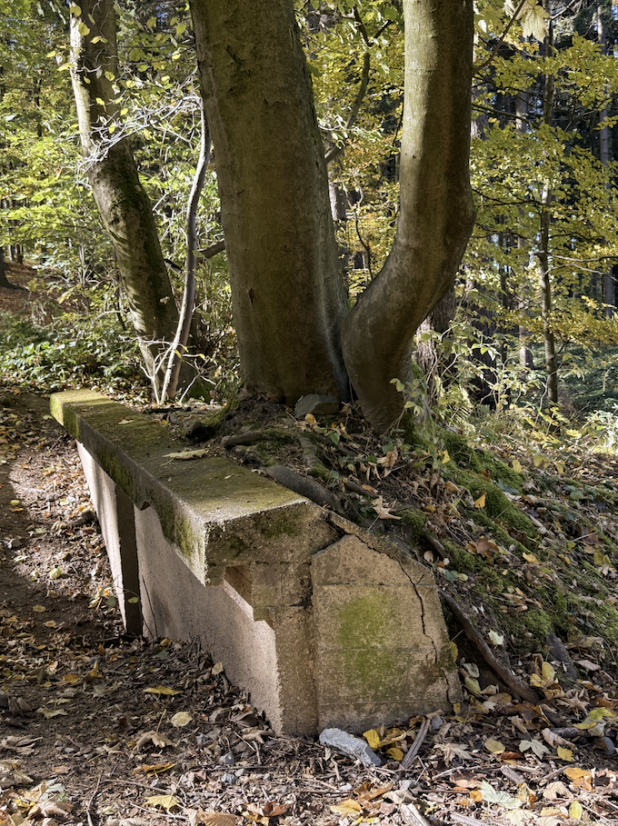
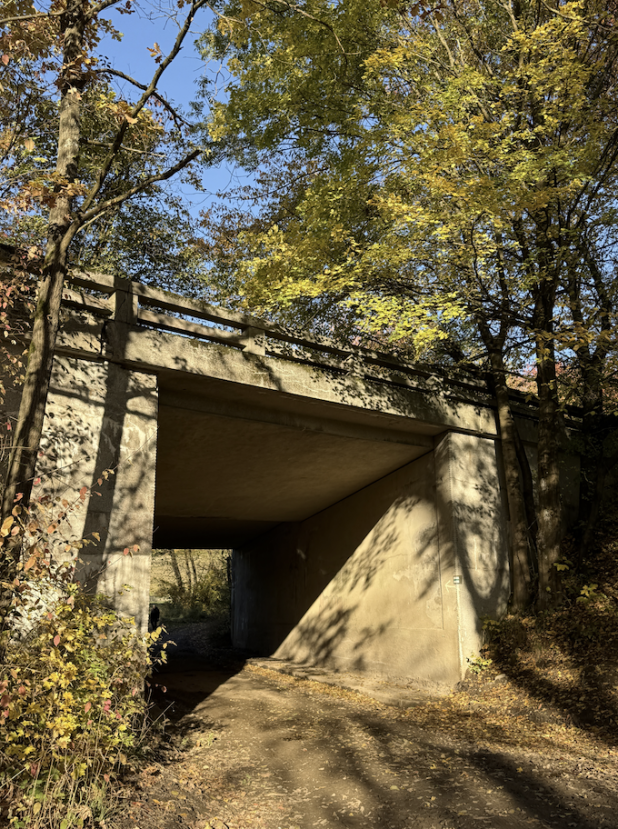
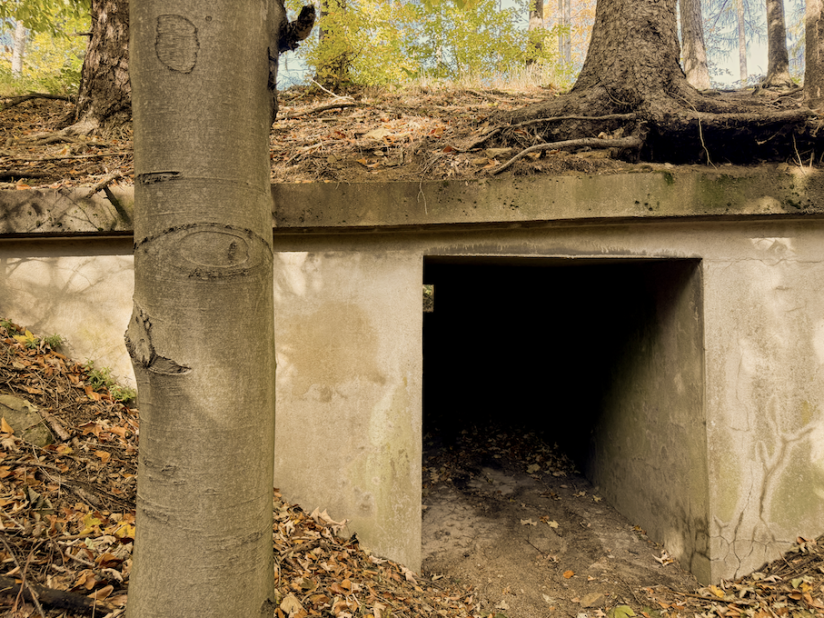
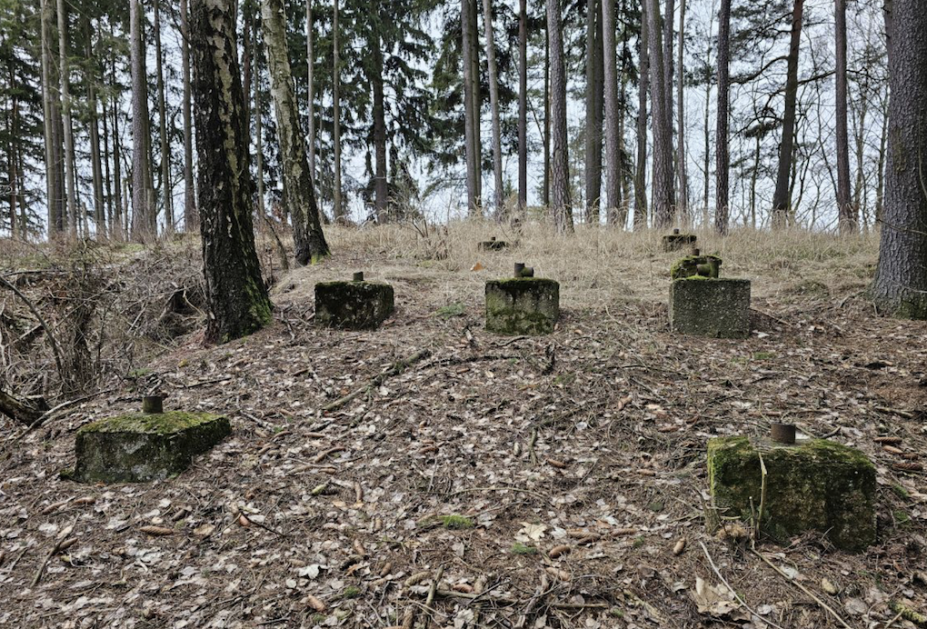
After the liberation, there were attempts to complete the motorway. However, the project repeatedly encountered technical difficulties as well as changing political priorities after 1948. In 1949, a final decision was made to discontinue all construction work in Moravia and the Chřiby Hills. Several concrete structures remain scattered throughout the hills as fragments of this ambitious project, ranging from small culverts to imposing bridge piers.
Maya Farkošová – Ski Jumping Hills
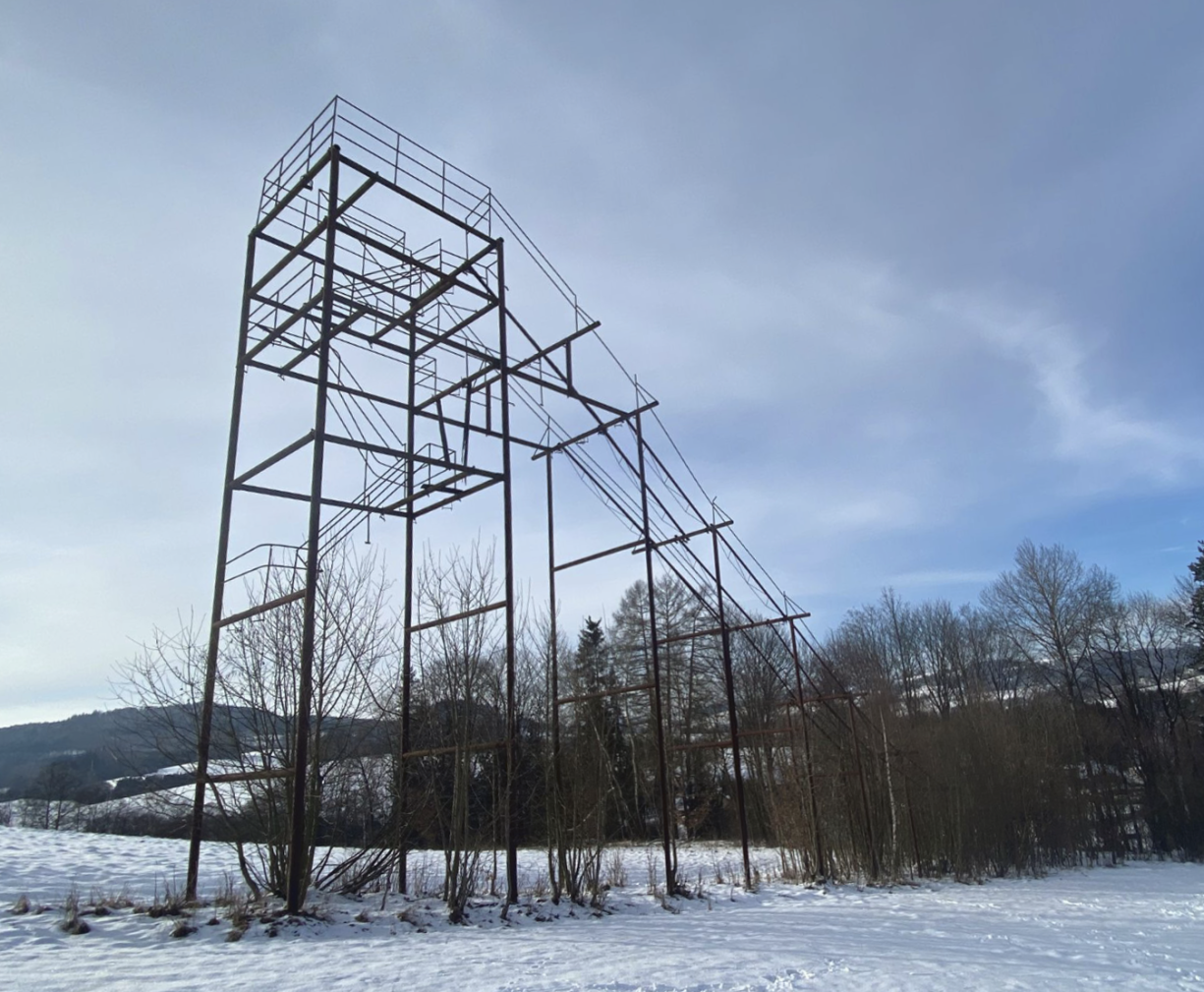
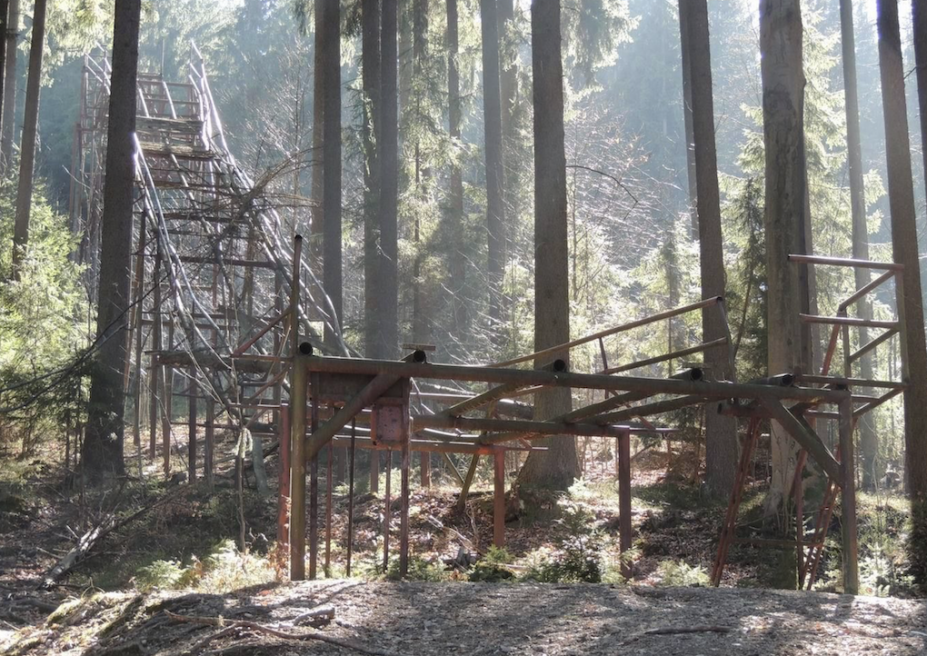
Today, we tend to associate ski jumping with elite sport practised at a handful of mountain resorts. In the past, however, ski jumps could also be found in lowland areas, sometimes even on the outskirts of towns, beyond housing estates. During the 1950s and 1960s, ski jumping experienced a recreational boom, and more than 270 structures were built across the country.
This project maps their locations, traces the marks they have left on the landscape, and seeks to recall their former sporting glory.
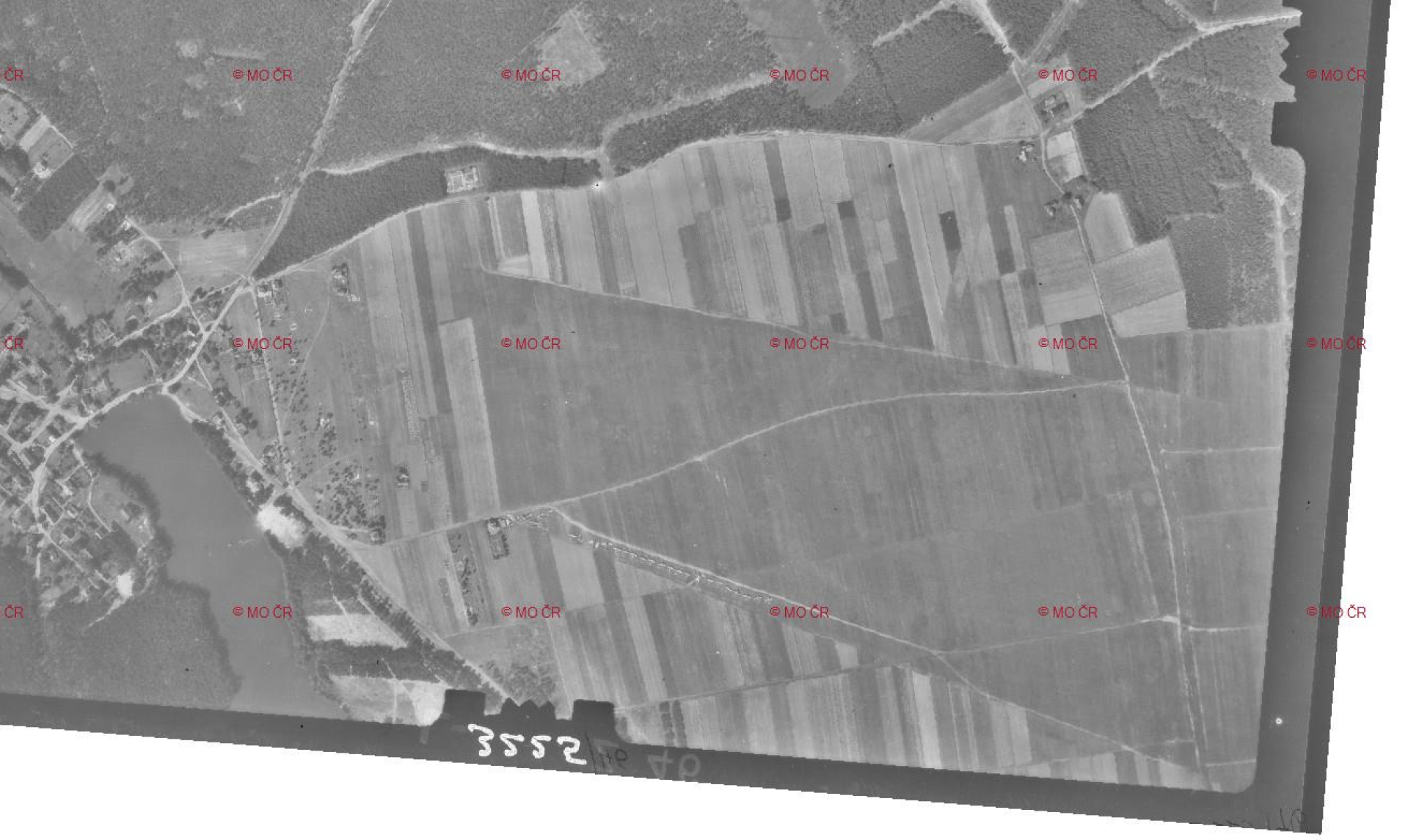
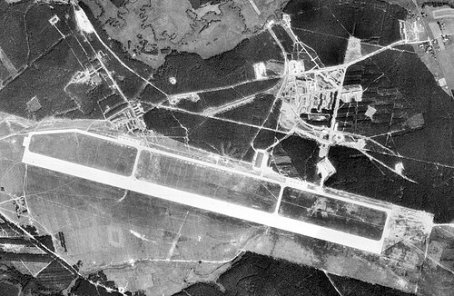
Eva Fuchsová – Hradčany Airfield (Former Military Airfield, Ralsko)
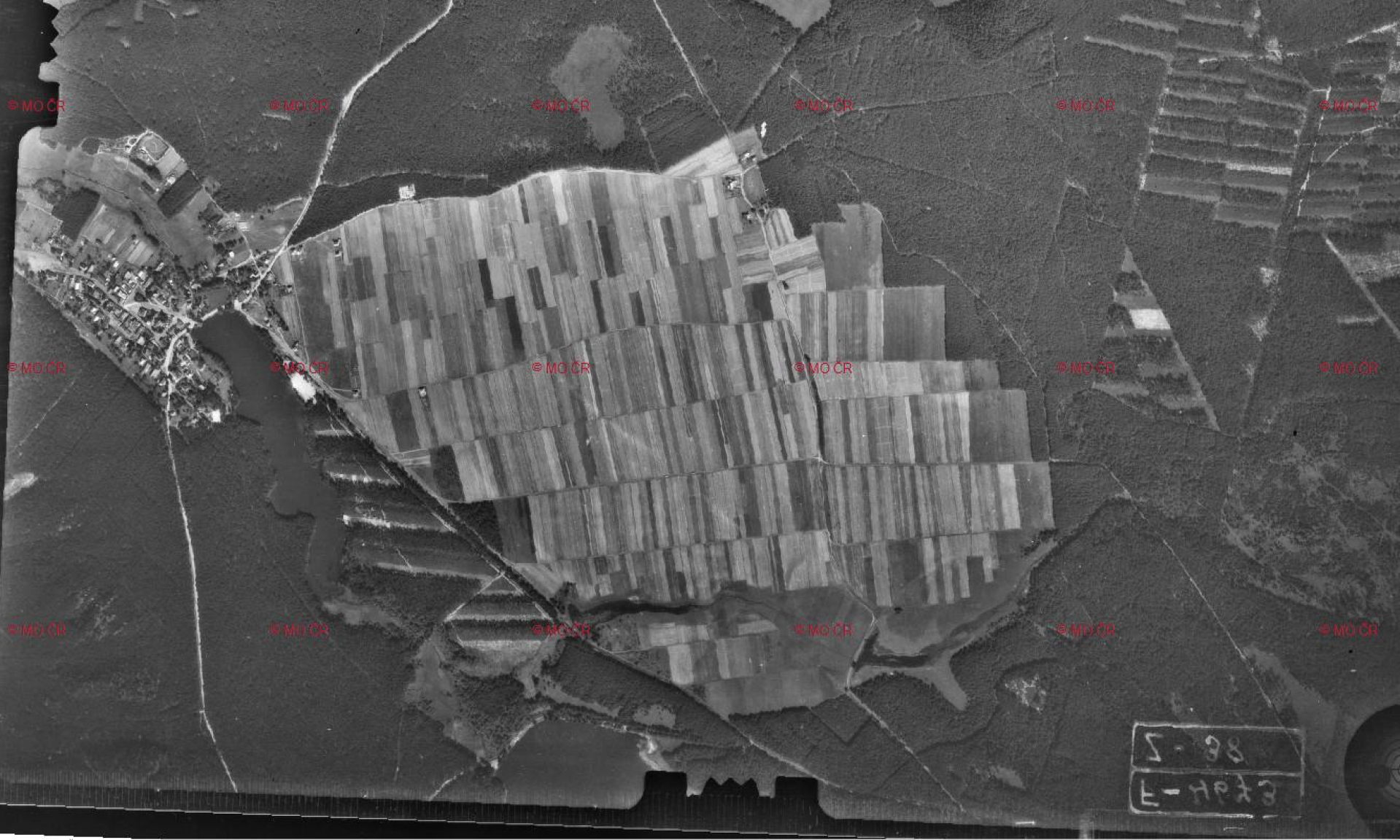
Hradčany Airfield is an extensive technical and architectural complex situated between the Kokořínsko–Máchův kraj Protected Landscape Area and the Ploučnice Meanders Natural Monument near Mimoň.
It was established in 1938 as a concealed mobilisation airfield with a grass runway. During the Second World War, it served the German Luftwaffe, and in the post-war period it was used for the secret training of Israeli pilots.
The site underwent a major architectural and urban transformation between 1951 and 1954, when a massive concrete runway measuring up to 2,700 × 90 metres was constructed. Beneath it ran a steam-based heating system supplied by a nearby heating plant.
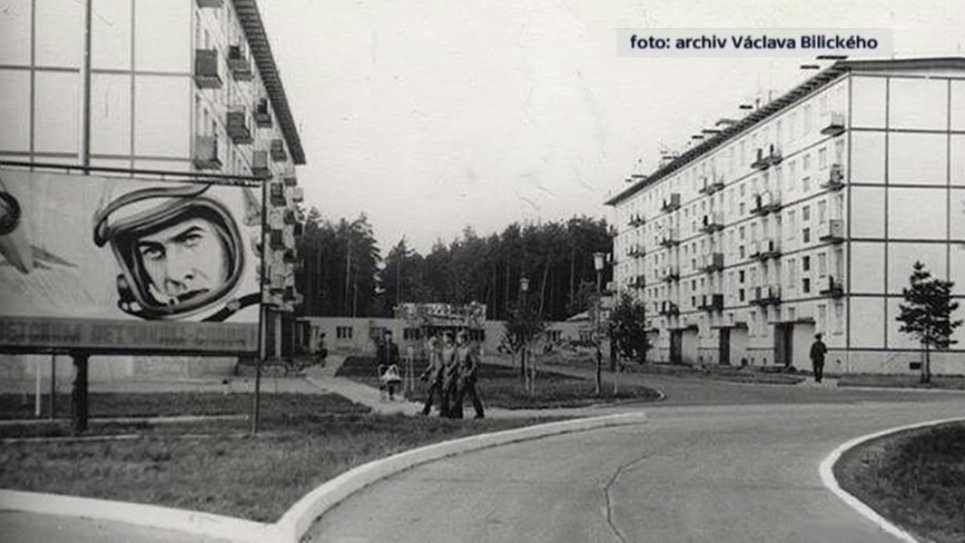
During the Soviet occupation, the complex was radically expanded with a system of concrete aircraft shelters (known as beehives), underground fuel bunkers, and associated residential and transport infrastructure. Key elements of this wider infrastructure included a railway siding from Mimoň, featuring a preserved prefabricated steel bridge over the Ploučnice River, equipped with observation loopholes.
Today, the entire complex stands as a reminder of military urbanism. In addition to occasional operations by ultralight aircraft, plans are currently being prepared to transform the vast concrete surface into a large-scale photovoltaic power plant.
Magdaléna Škardová, Barbora Kurková – Former Ralsko Military Training Area
Štěpán Hendrych – In the Abandoned Sudetenland? (Former Sauersack Mine, Rolava)
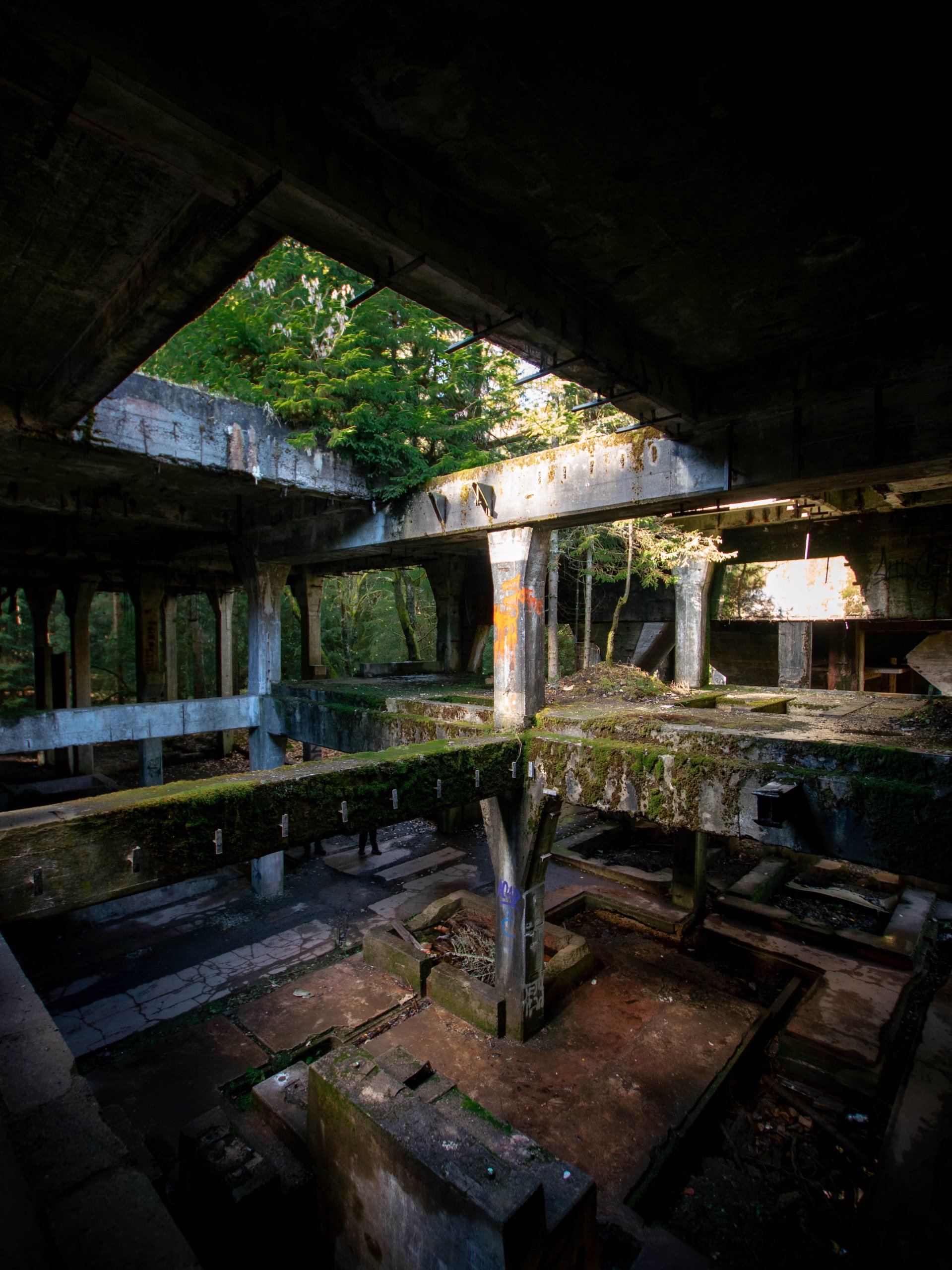
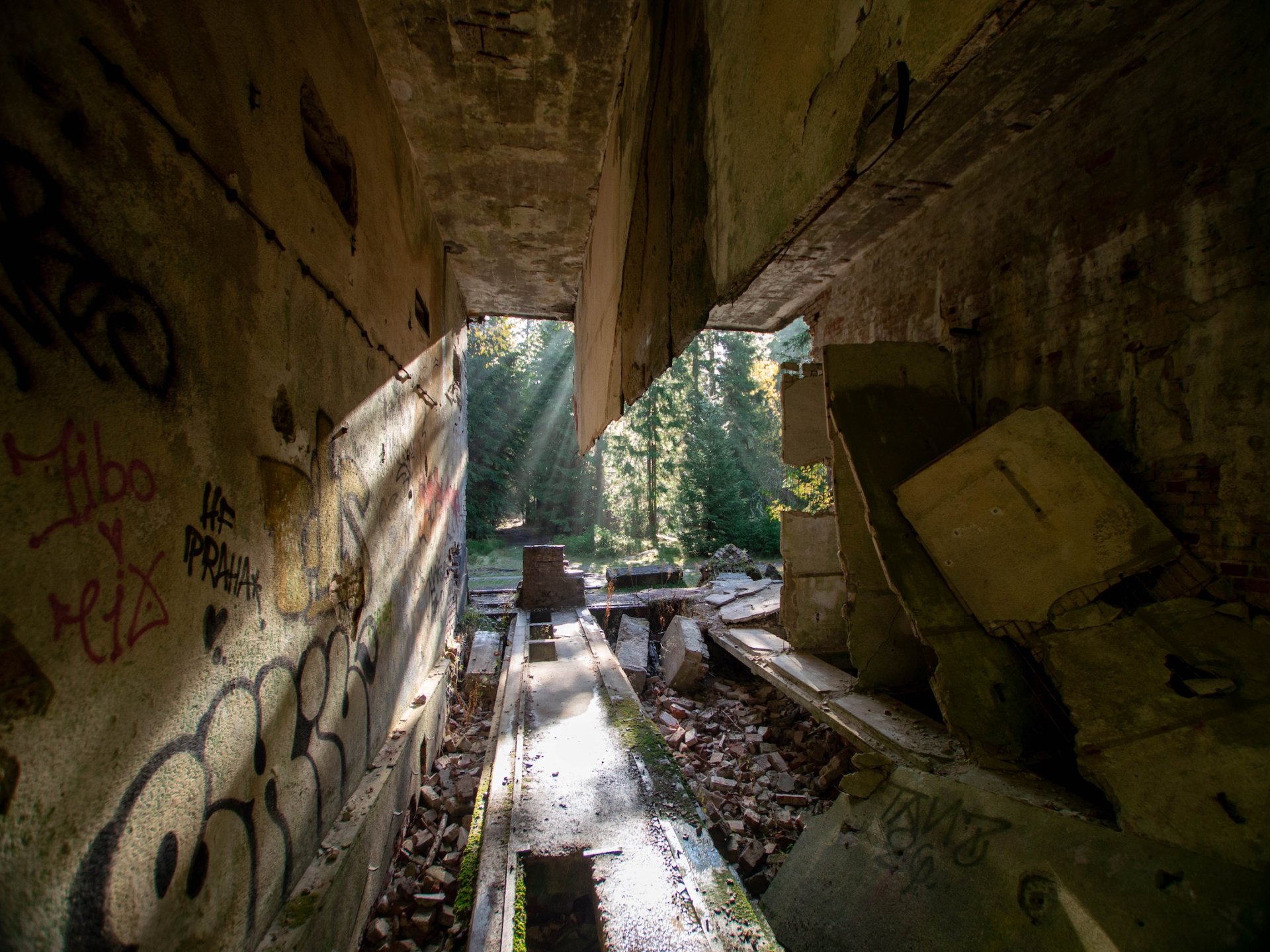
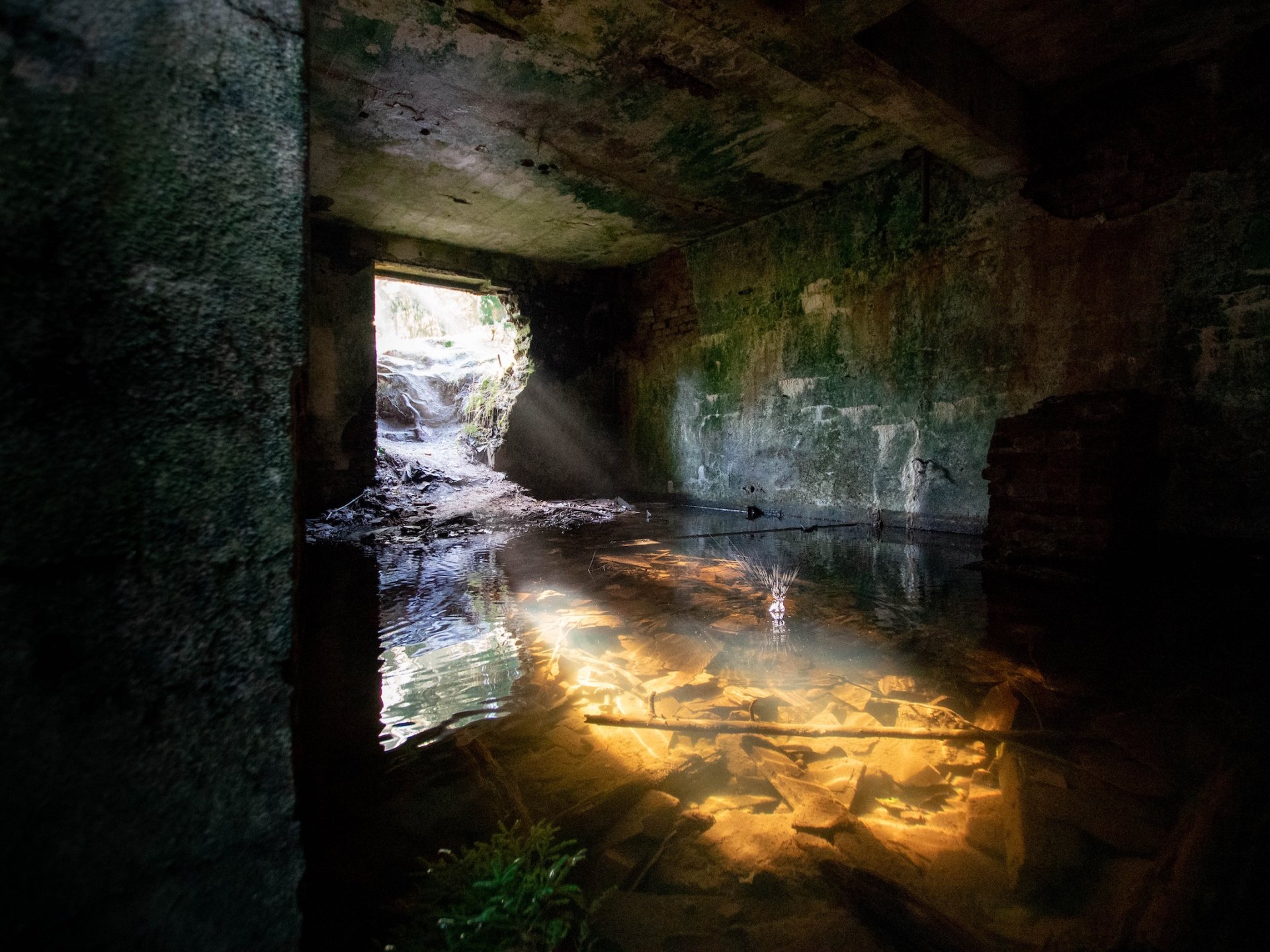
The Sauersack Mine, now known as Rolava, is an abandoned complex comprising a former underground tin mine and processing plant, built by the Nazi regime during the Second World War. The industrial complex also included a prisoner-of-war camp where hundreds of prisoners, primarily from the Soviet Union and France, were forced to work.
The site is located in an area with a mining tradition dating back to the twelfth to fourteenth centuries. In addition to tin, manganese ore, iron ore and peat were also extracted here. The extensive peat bogs and heathlands surrounding the site are precisely what have led to the area being granted the highest level of nature protection.
Since 2012, when the Rolava Peat Bogs National Nature Reserve was established, the protection has also included the ruins of the former mine itself. The remnants of human activity have created a rare habitat for unique plant communities and invertebrate species.
The Ore Mountains have experienced a growing number of visitors in recent years, and this trend has also reached this remote site.
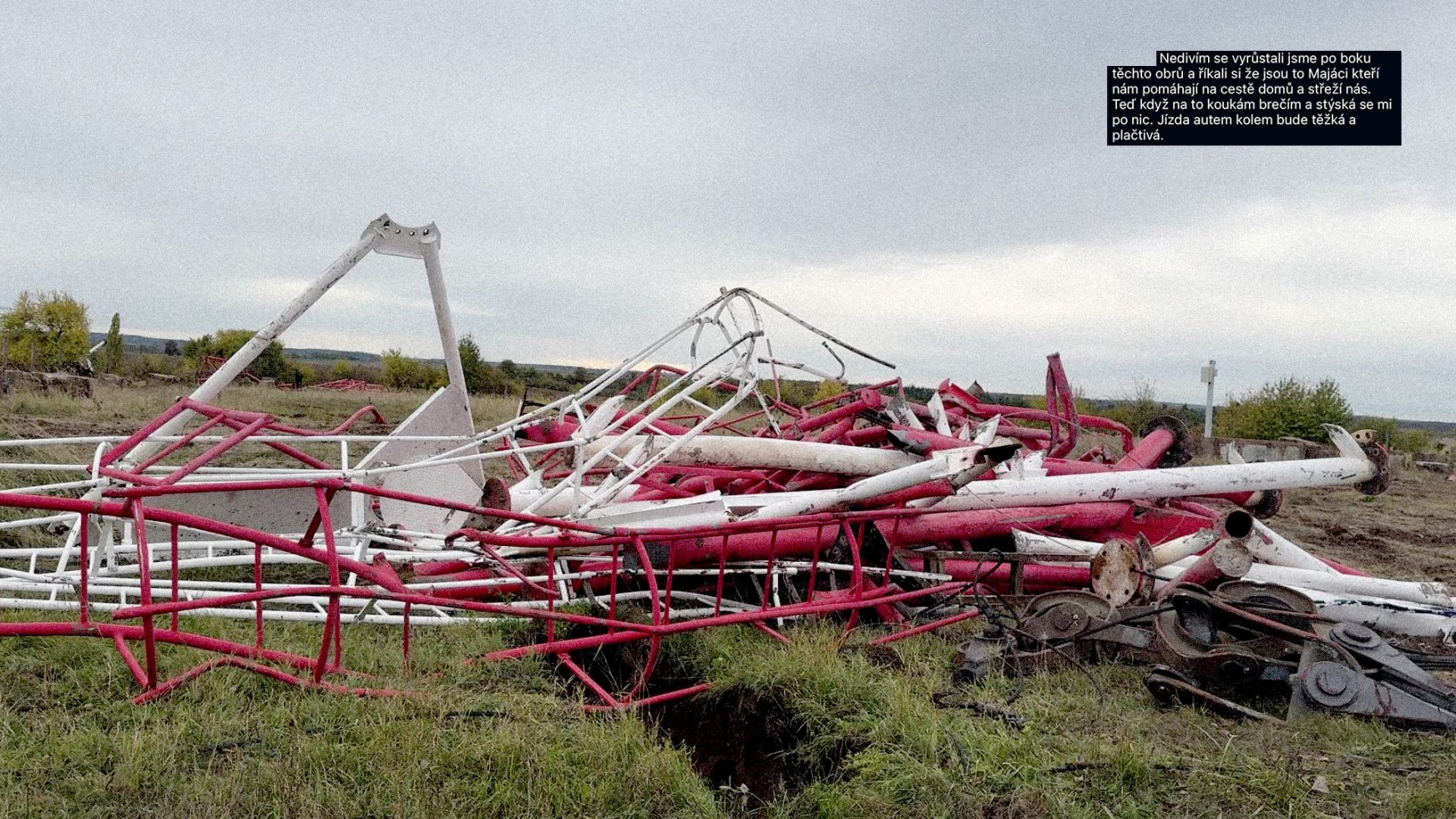
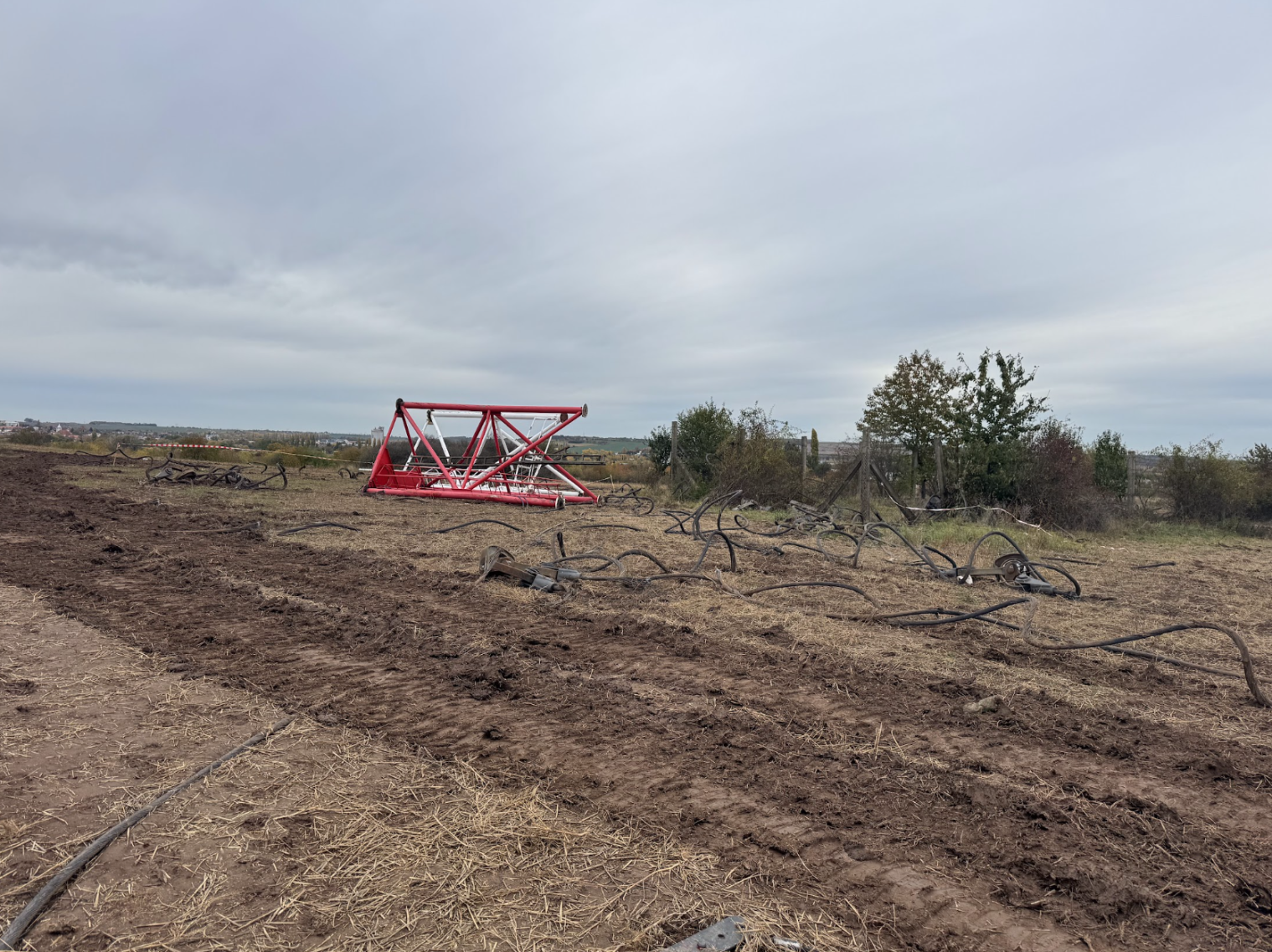
Barbora Hnyková – The Liblice Transmitters (demolished on 15 October 2026; two 355-metre towers, formerly the tallest structures in the Czech Republic)
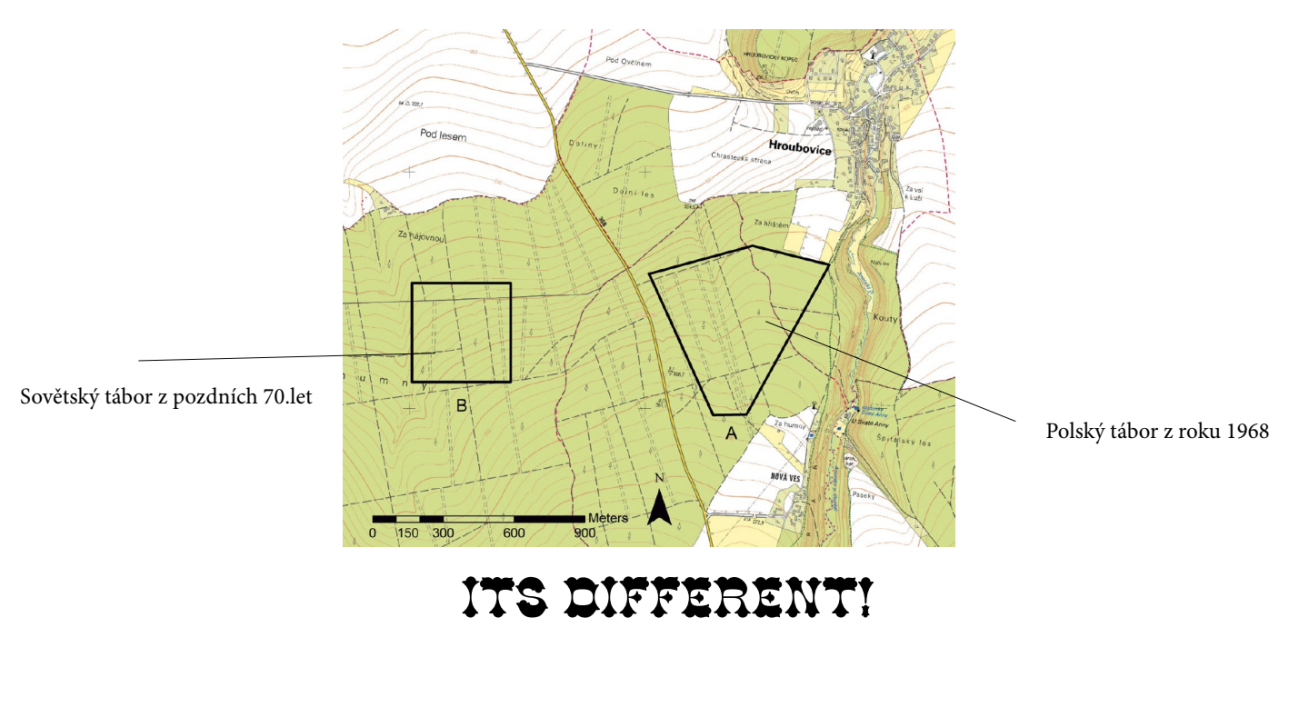
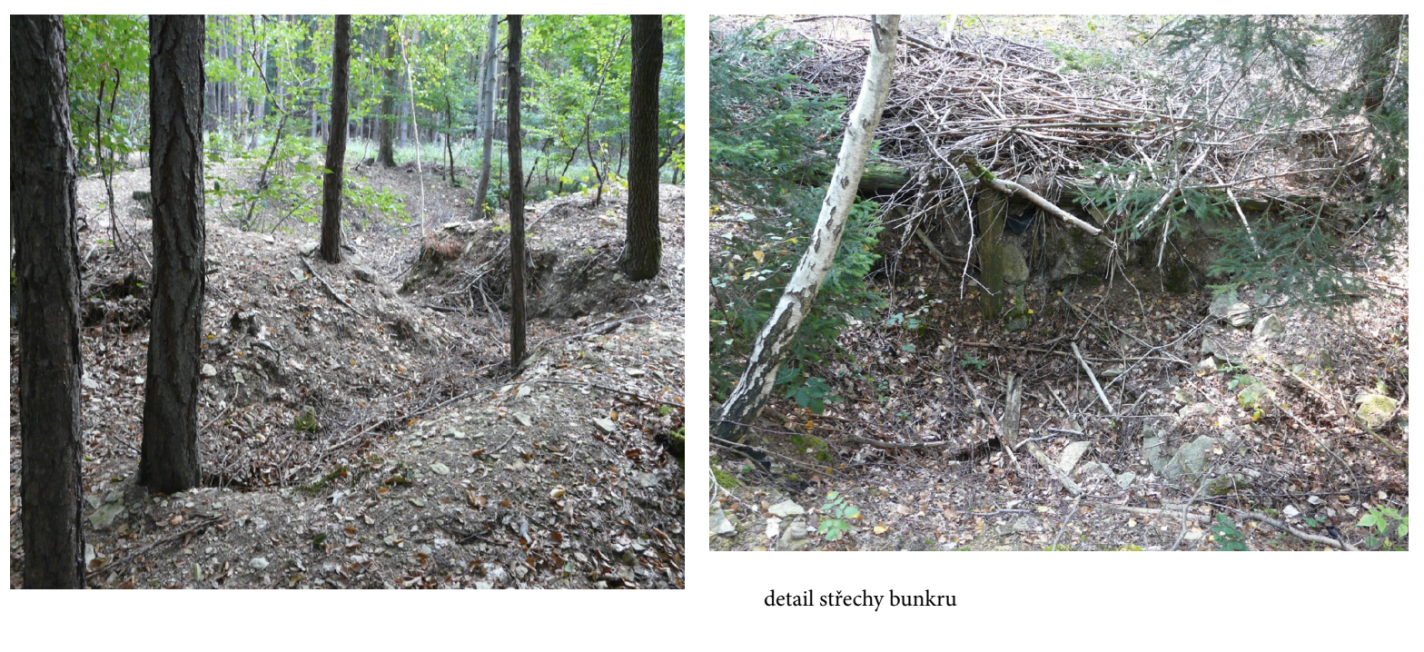
Živa Jehlíková – Tank Pits near Hroubovice
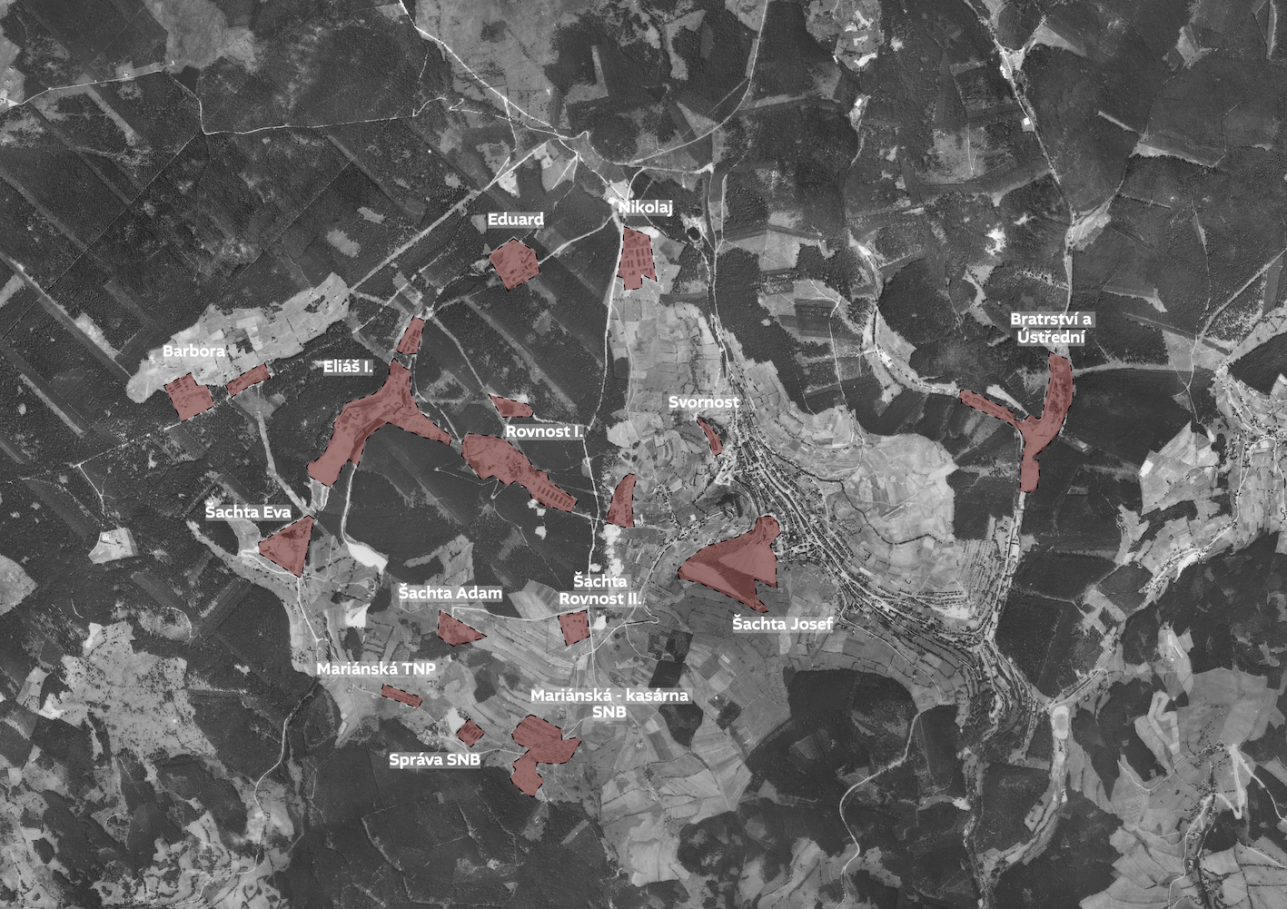
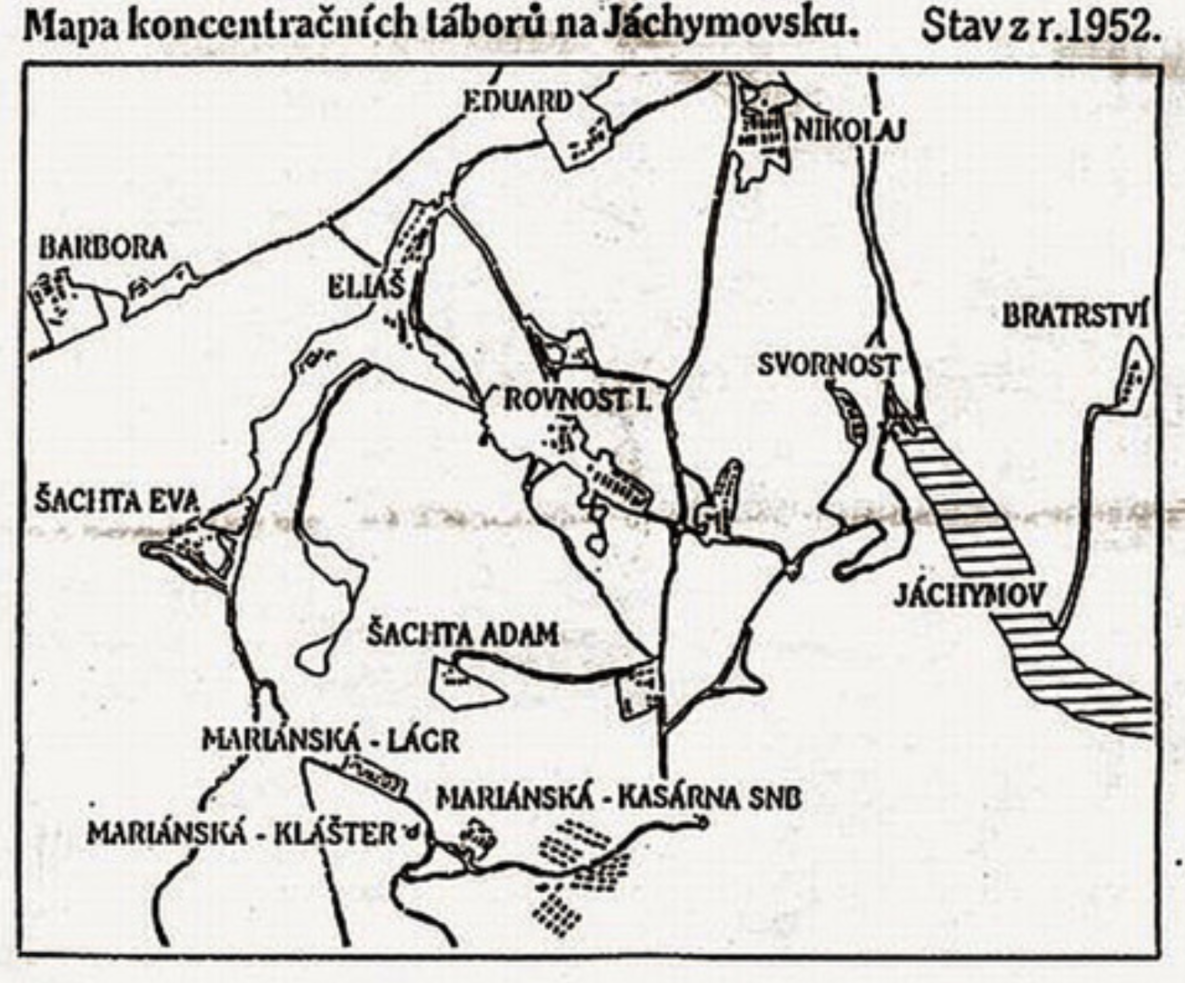
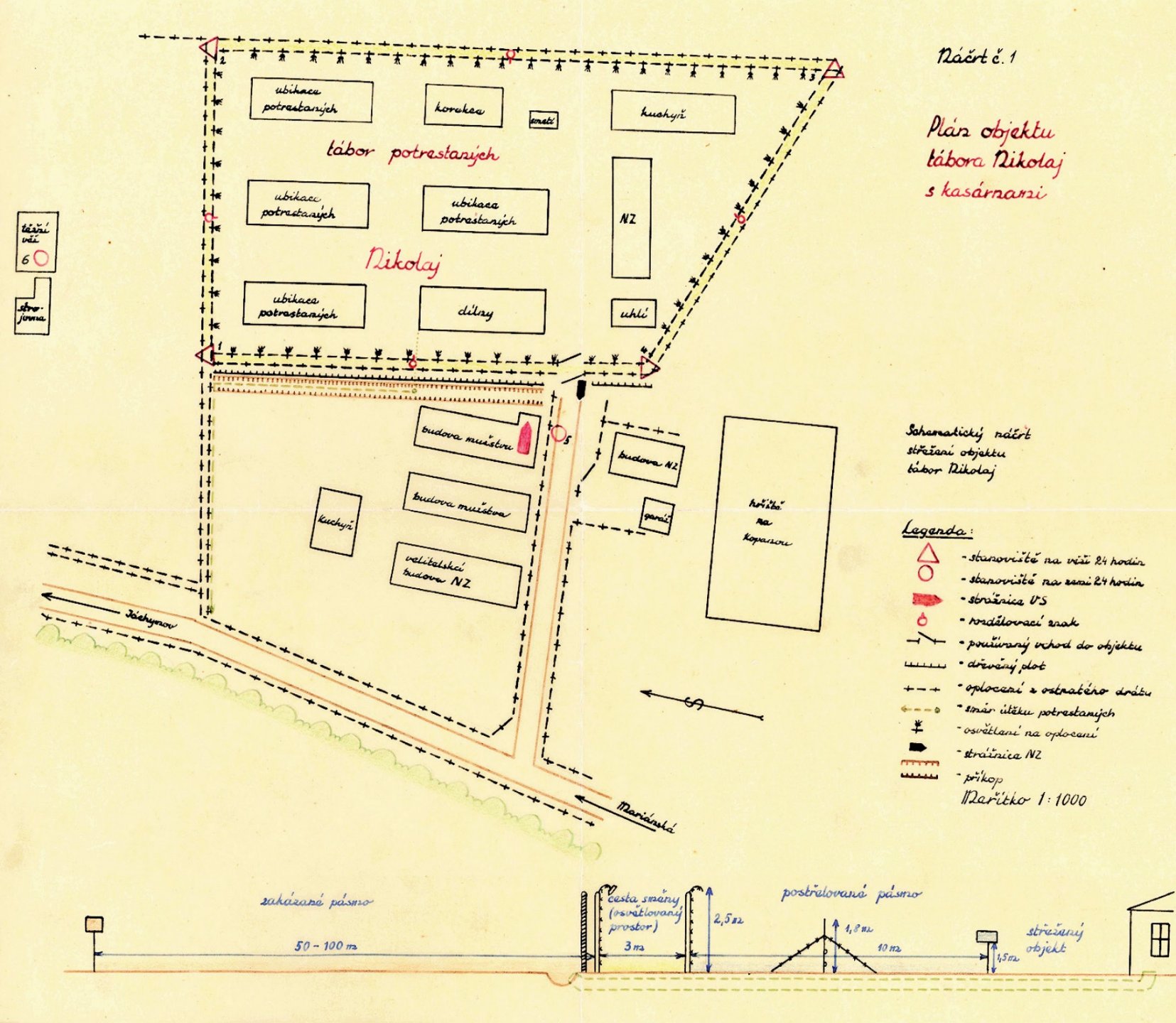
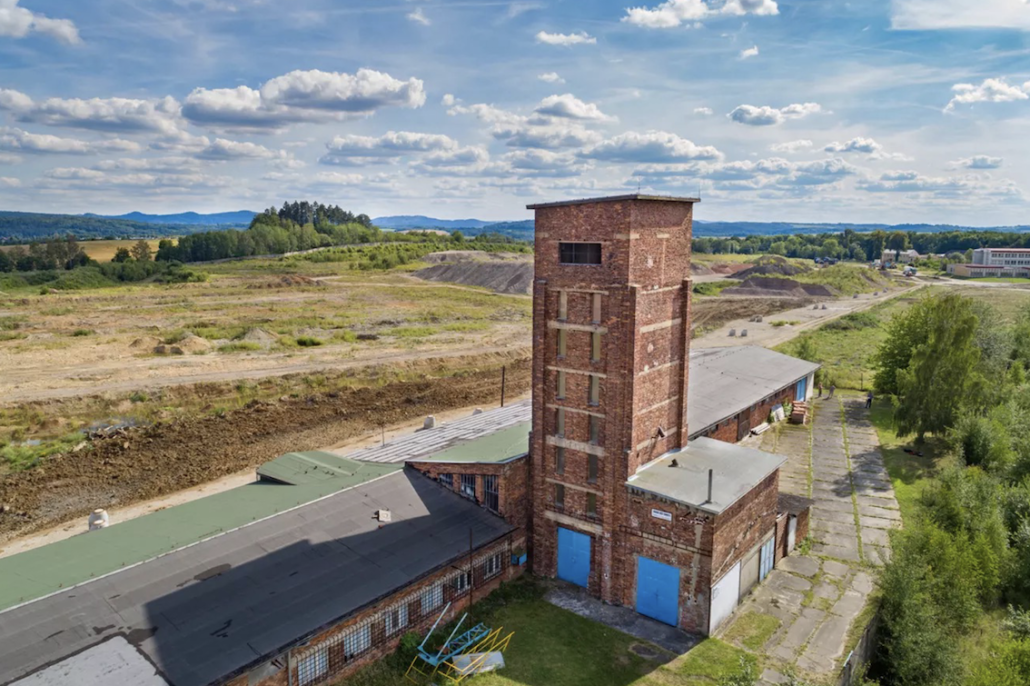
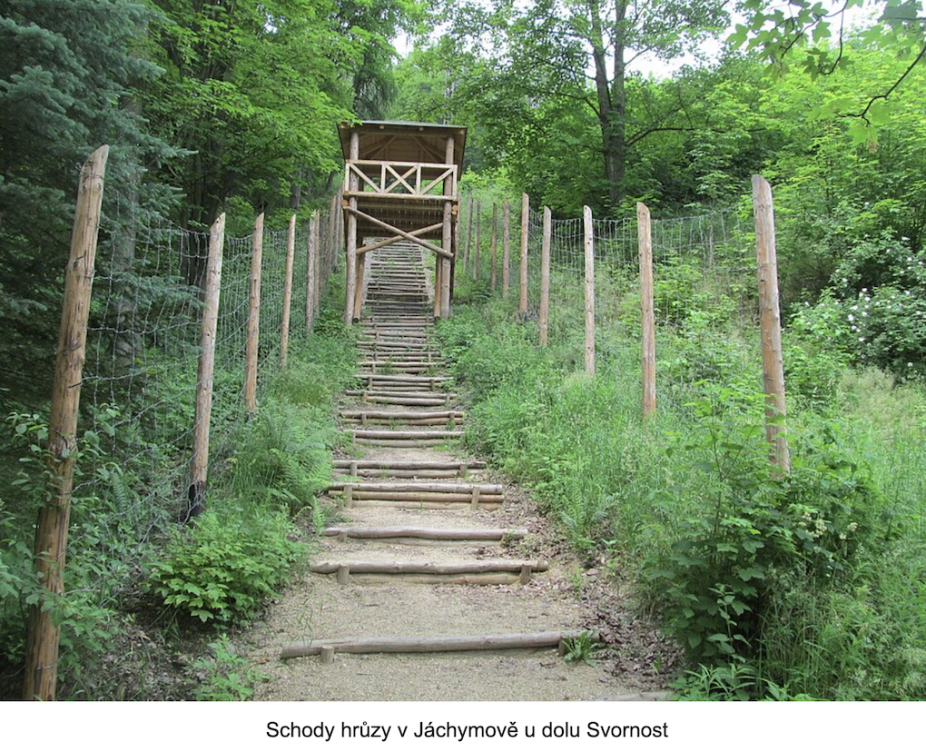
Krištof Krebs – Architecture of Exploitation: Forced Labour Camps at the Uranium Mines in the Jáchymov Region
Jáchymov is a town in western Bohemia, near Karlovy Vary, on the Czech–German border. Its history is deeply intertwined with the mining industry and spa culture. Once a wealthy town thanks to its silver mines and unique radon spas, it gradually became a centre of suffering and exploitation. Today, it is slowly finding its way back towards its former identity as a spa destination.
During the Second World War, a system began to take shape here that the communist regime would later build upon. The Nazis expanded the existing mining infrastructure to extract uranium for research purposes, with the intention of enriching the uranium and developing thermonuclear weapons. There was, however, a fundamental difference in the conditions of labour: at first, the mines employed professional miners who were provided with proper protective equipment and financial support.
After the fall of the Nazi regime and the communist takeover, everything changed. The mining infrastructure continued to expand, while new facilities were built to exploit people considered politically undesirable by the regime. These individuals were thrown into a meat grinder: a network of forced labour camps, dangerous underground mines, endless humiliation, punishment and suffering.
Between 1949 and 1961, thirteen forced labour camps were established in the region. Approximately 60,000 prisoners passed through them during this period, most of whom had been convicted on political grounds. Around 4,000 people died directly in the camps. This figure does not include those who suffered permanent health consequences or died prematurely as a result of exposure to radioactive materials.
Perhaps the greatest irony is that people imprisoned for political reasons were forced to contribute directly to the functioning of the very regime that had imprisoned them, mining uranium for the production of nuclear weapons.
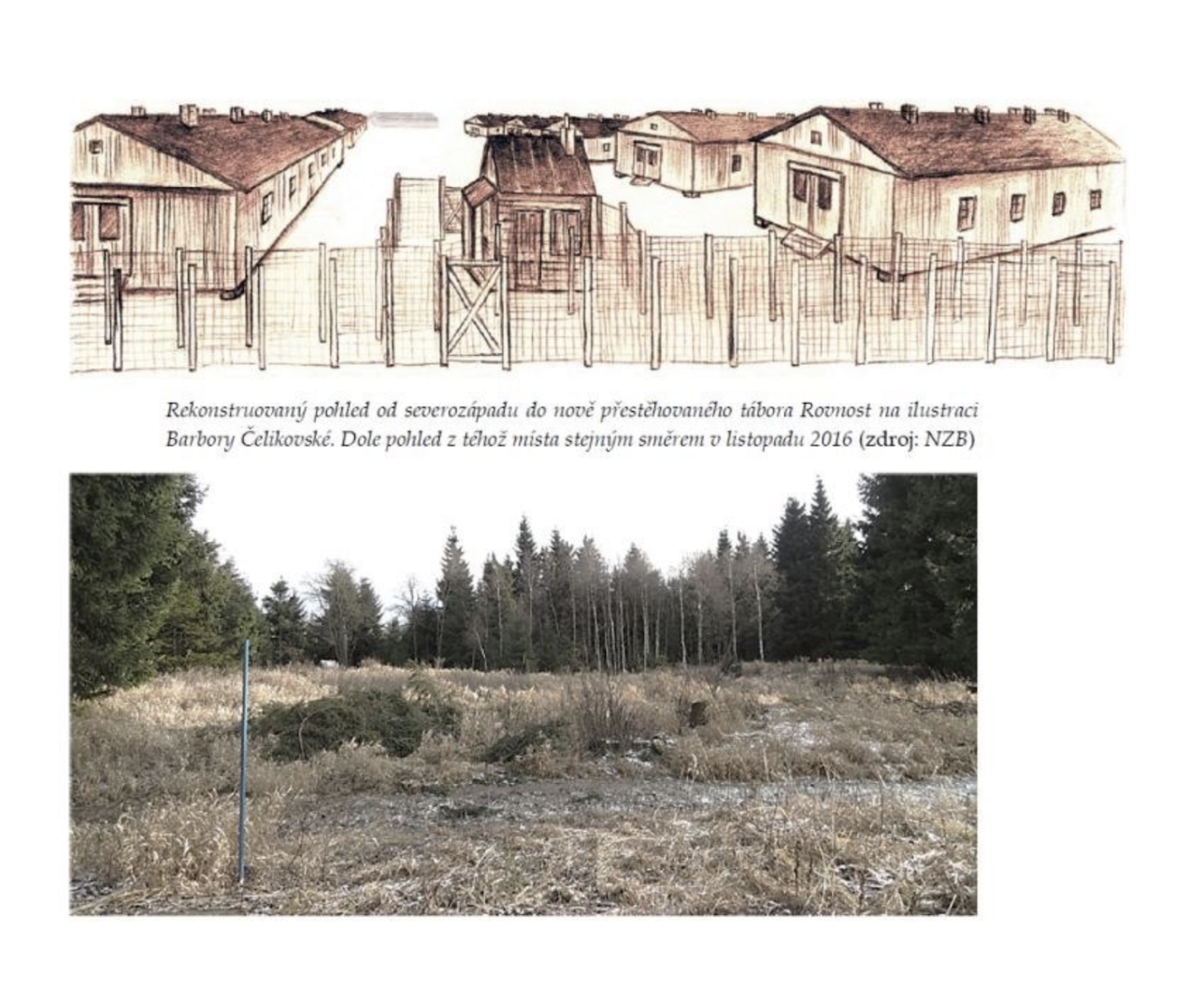
After mining operations ended, the regime made sure that evidence of its activities would be as difficult to trace as possible. The camps were demolished, the mine shafts were sealed, and almost all documentary evidence was destroyed. The few remaining traces have survived in the depths of archives or have been brought to light through the testimonies of those who survived this terror.
Martina Leiblová, Dominika Štekerová – The Vienna–Wrocław Extraterritorial Motorway (Hitler's Motorway)
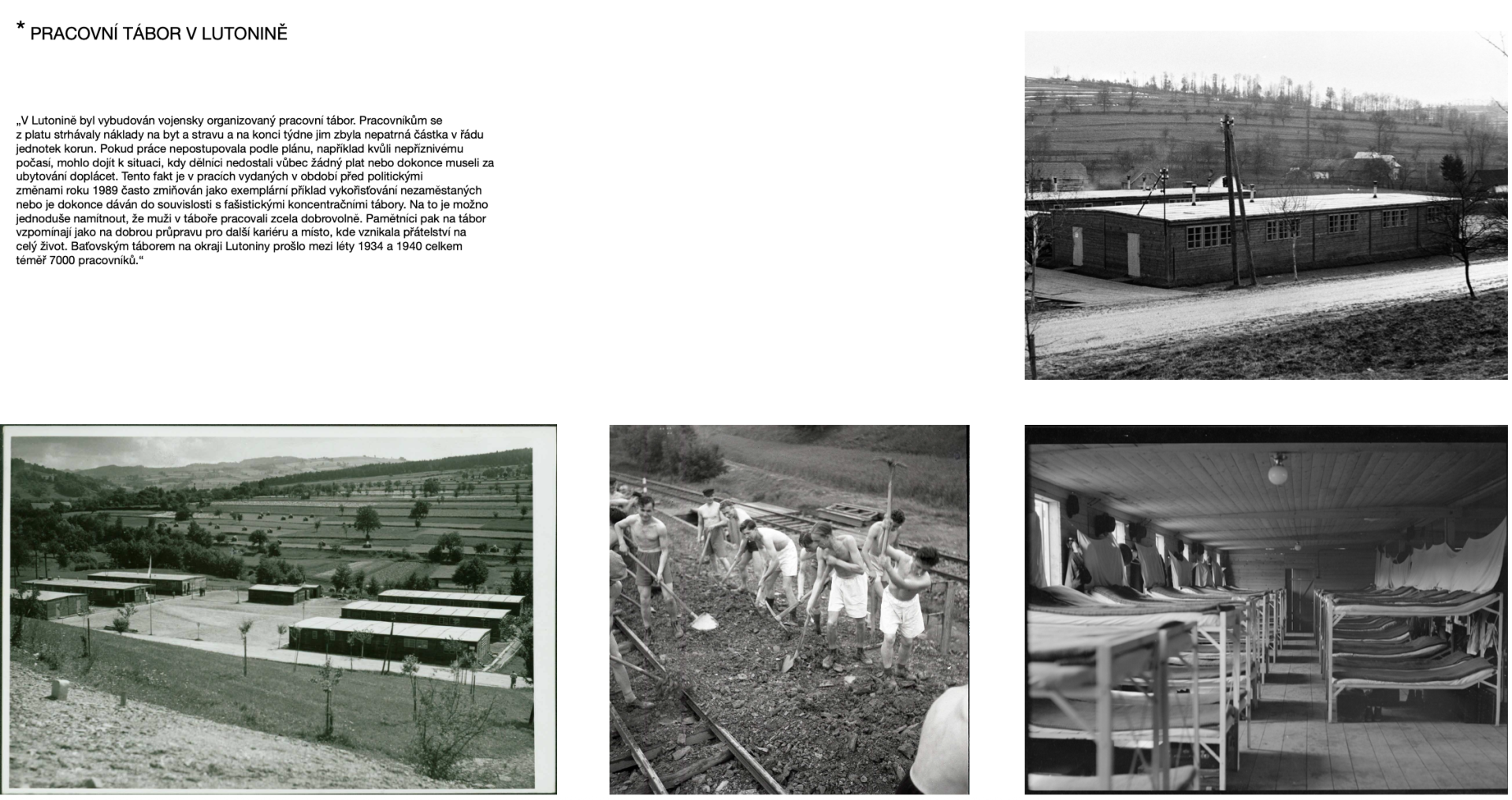
Prokop Pršala – Baťa's Unfinished Railway between Vizovice and Lutonina
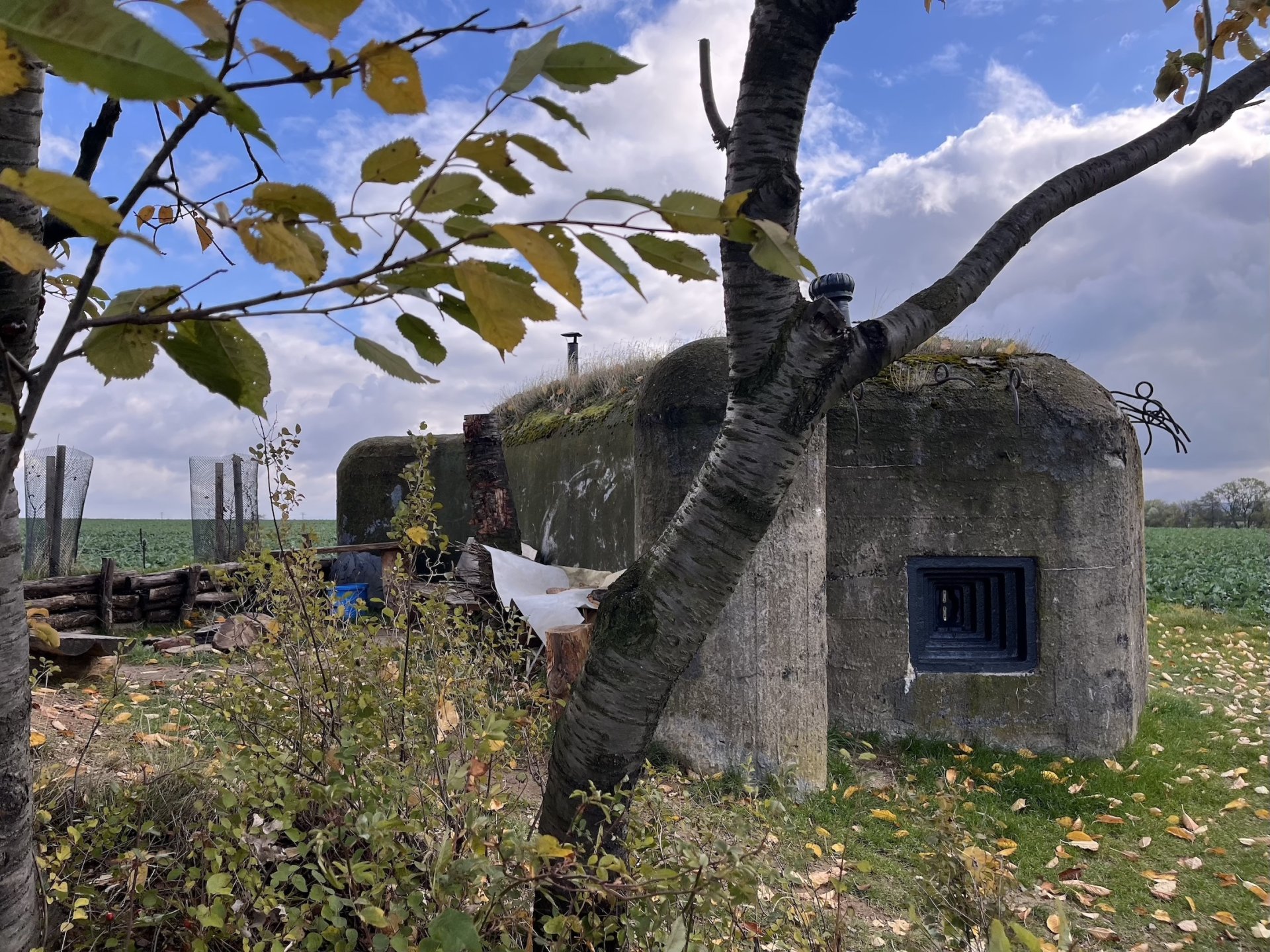
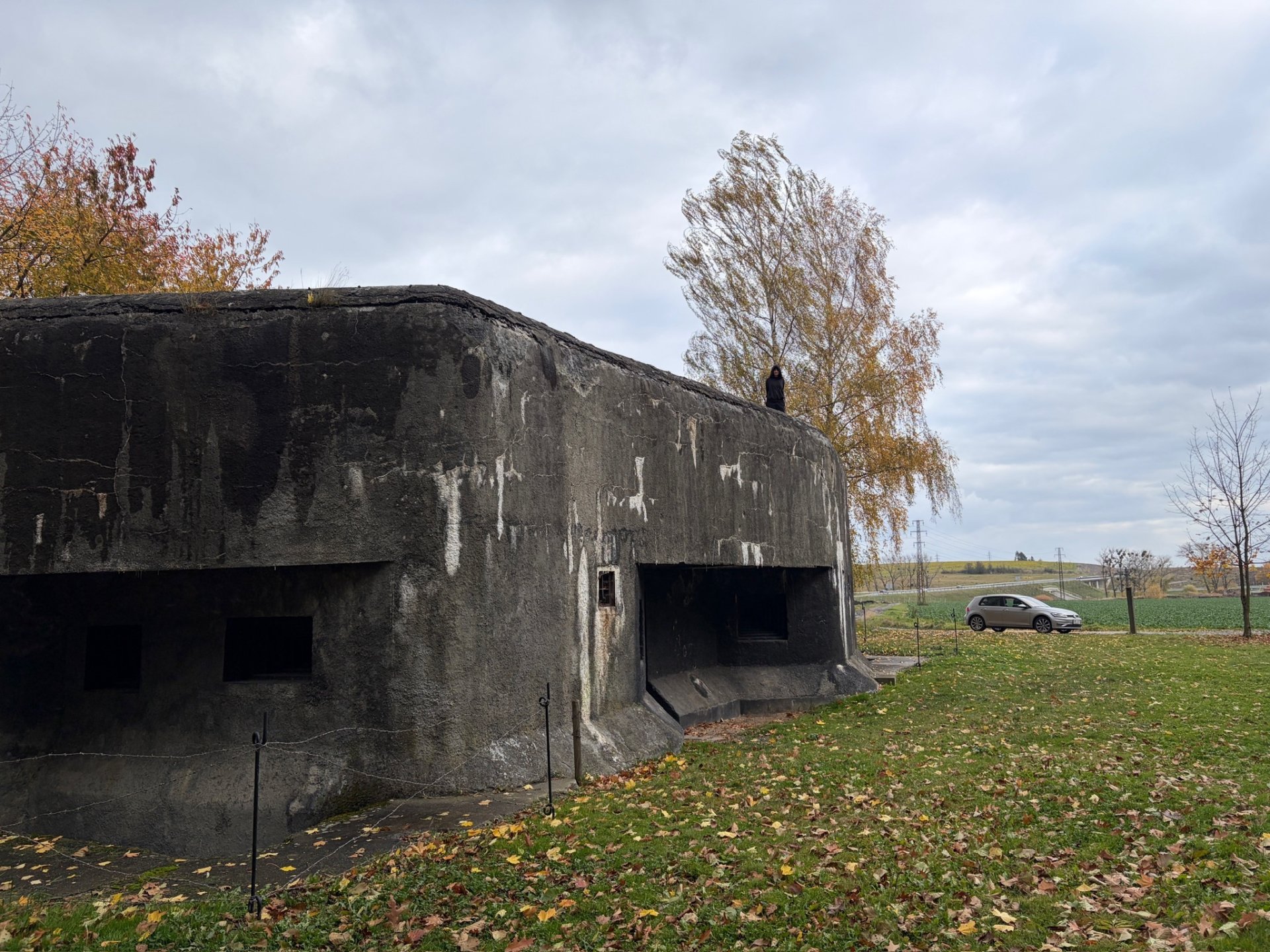
Filip Rajman – Czechoslovak Border Fortifications
Most of the bunkers belonging to the fortification system built in anticipation of a Nazi German invasion have survived to this day in relatively good technical condition. Approximately 16,000 structures of three basic types were constructed.
The first type consists of light fortification structures, commonly known as ŘOPíky. Initially, they were intended merely as supporting elements. However, as the concept of defence evolved, they became the backbone of the defensive system during the final years of construction, forming several lines of defence, sometimes up to five deep. These structures operated through coordinated group defence, working together with neighbouring bunkers.
The second type consists of infantry blockhouses, which complemented the light fortifications and were designed to accommodate approximately twenty soldiers.
The largest structures were artillery fortresses. Most of their facilities were located underground, connected by corridors extending for several kilometres.
Today, these structures serve various purposes, for example as museums or, in some cases, holiday cottages. Nevertheless, most of the bunkers remain unused. At the same time, they function surprisingly well as landscape elements supporting ecological corridors.
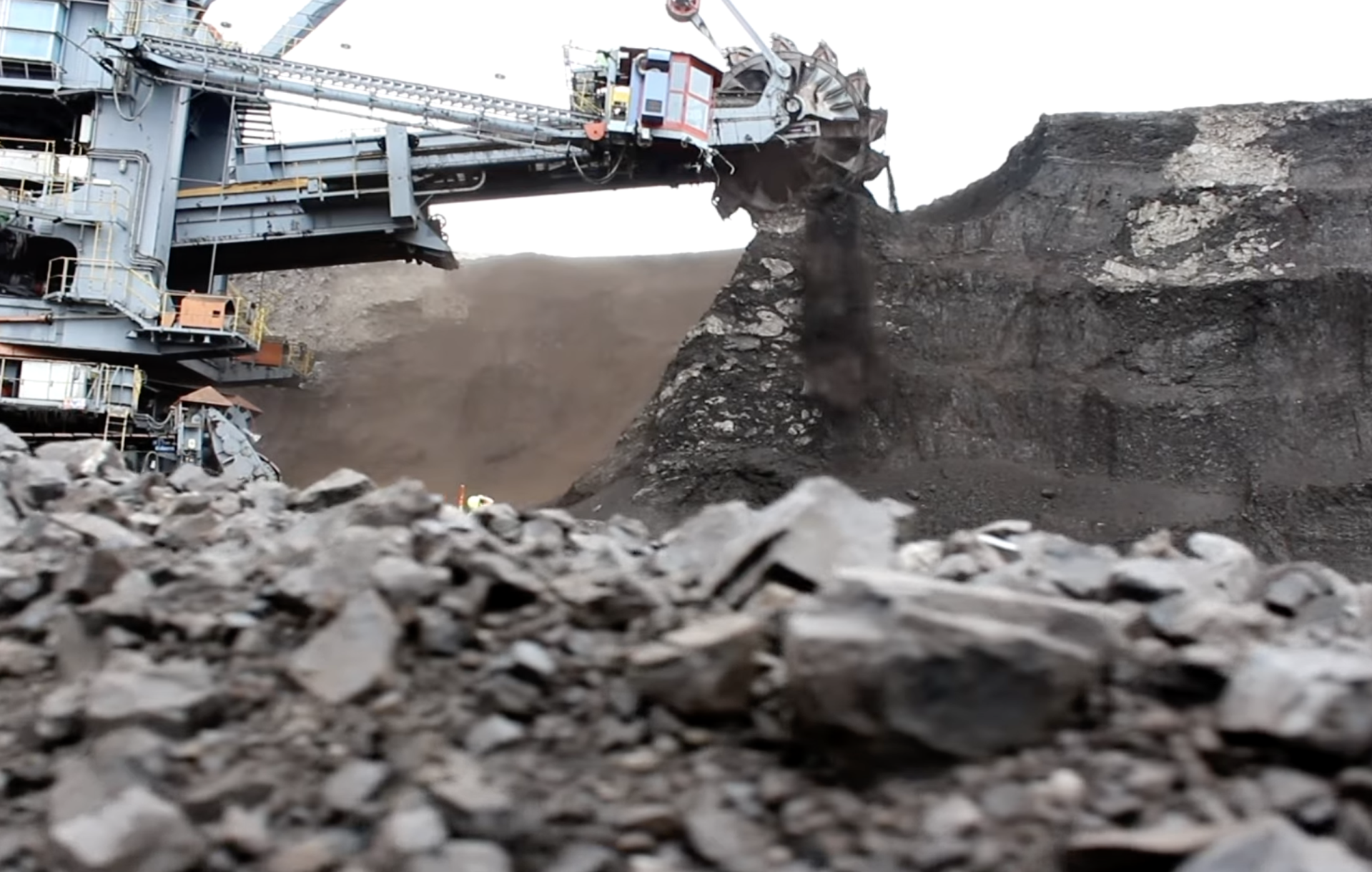
Natálie Sovová – The RK 5000 Bucket-Wheel Excavator at the Československá armáda Open-Pit Mine (ČSA)
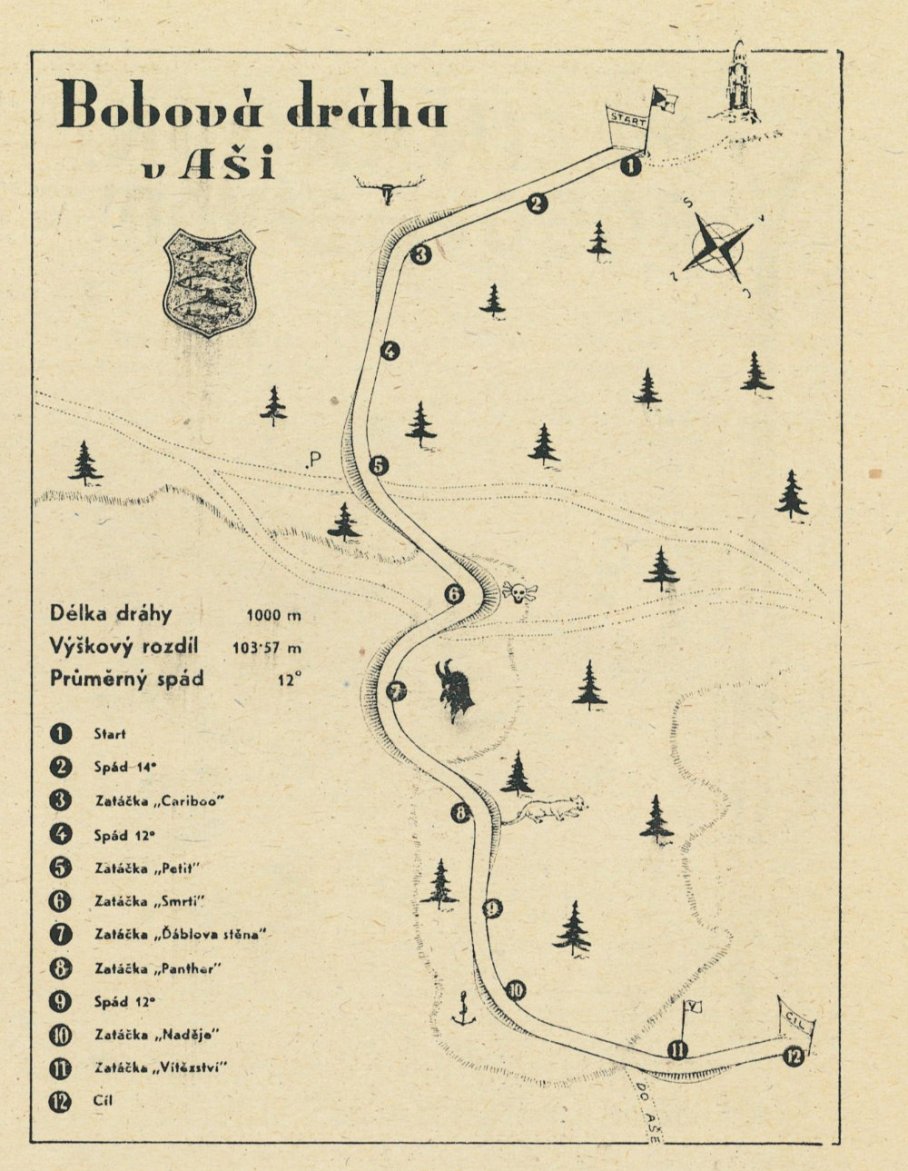
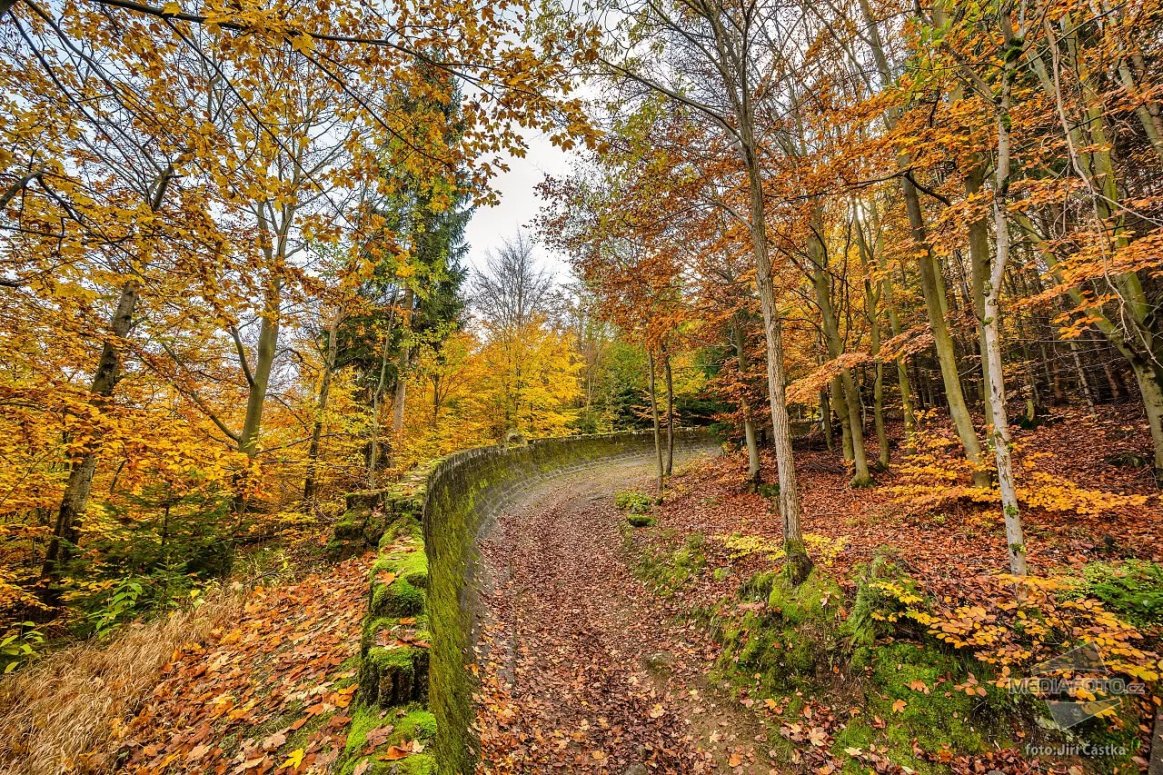
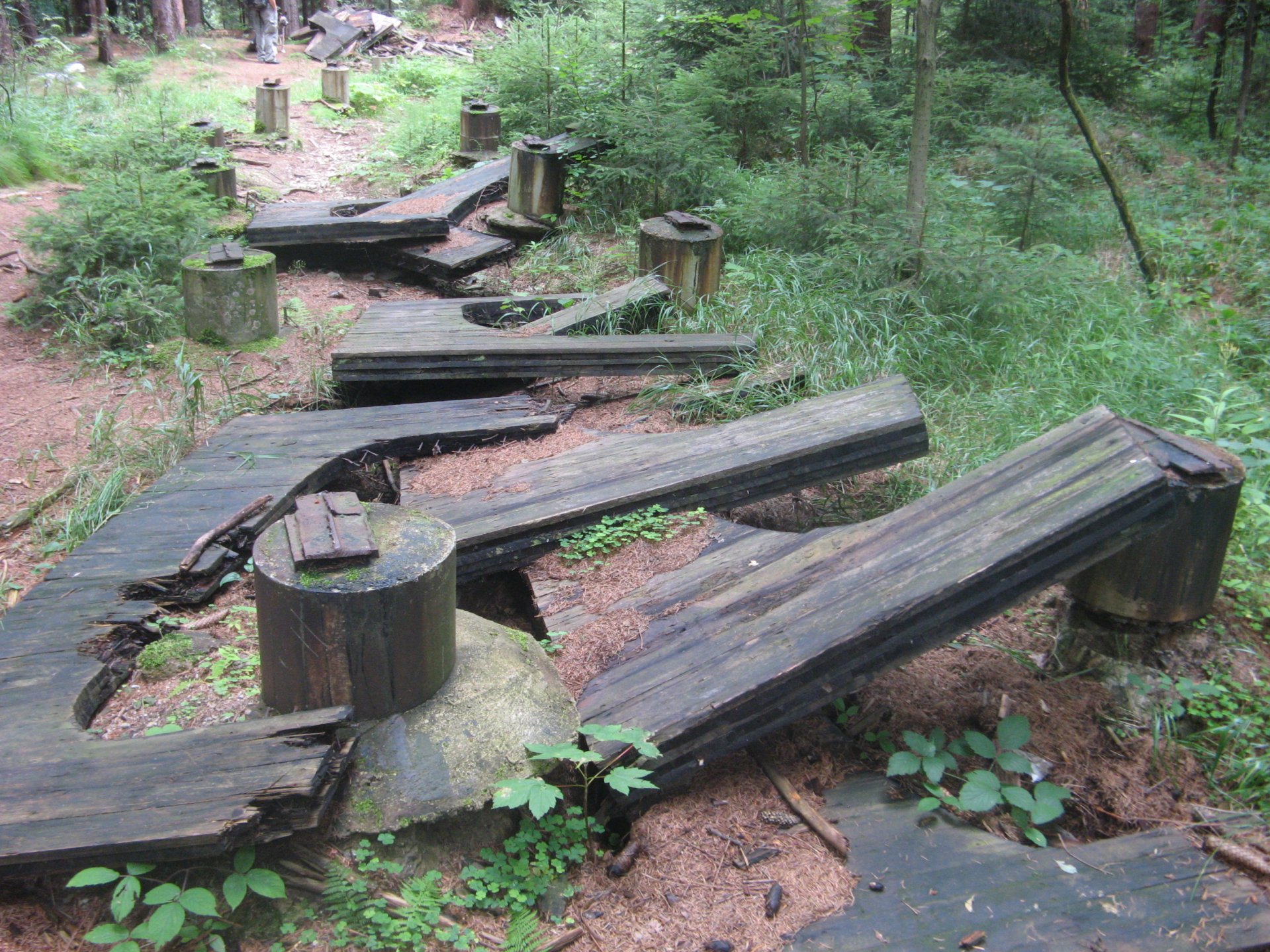
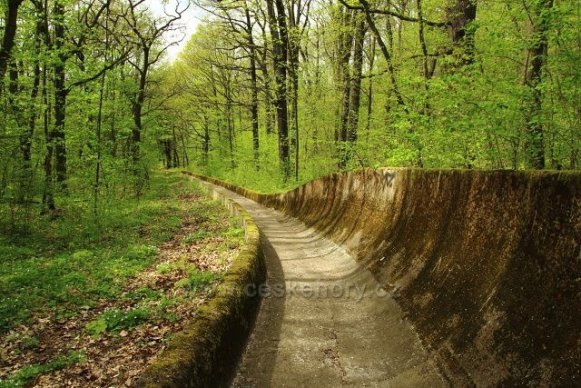
Tadeáš Tichý – Former Bobsleigh Tracks in the Czech Republic
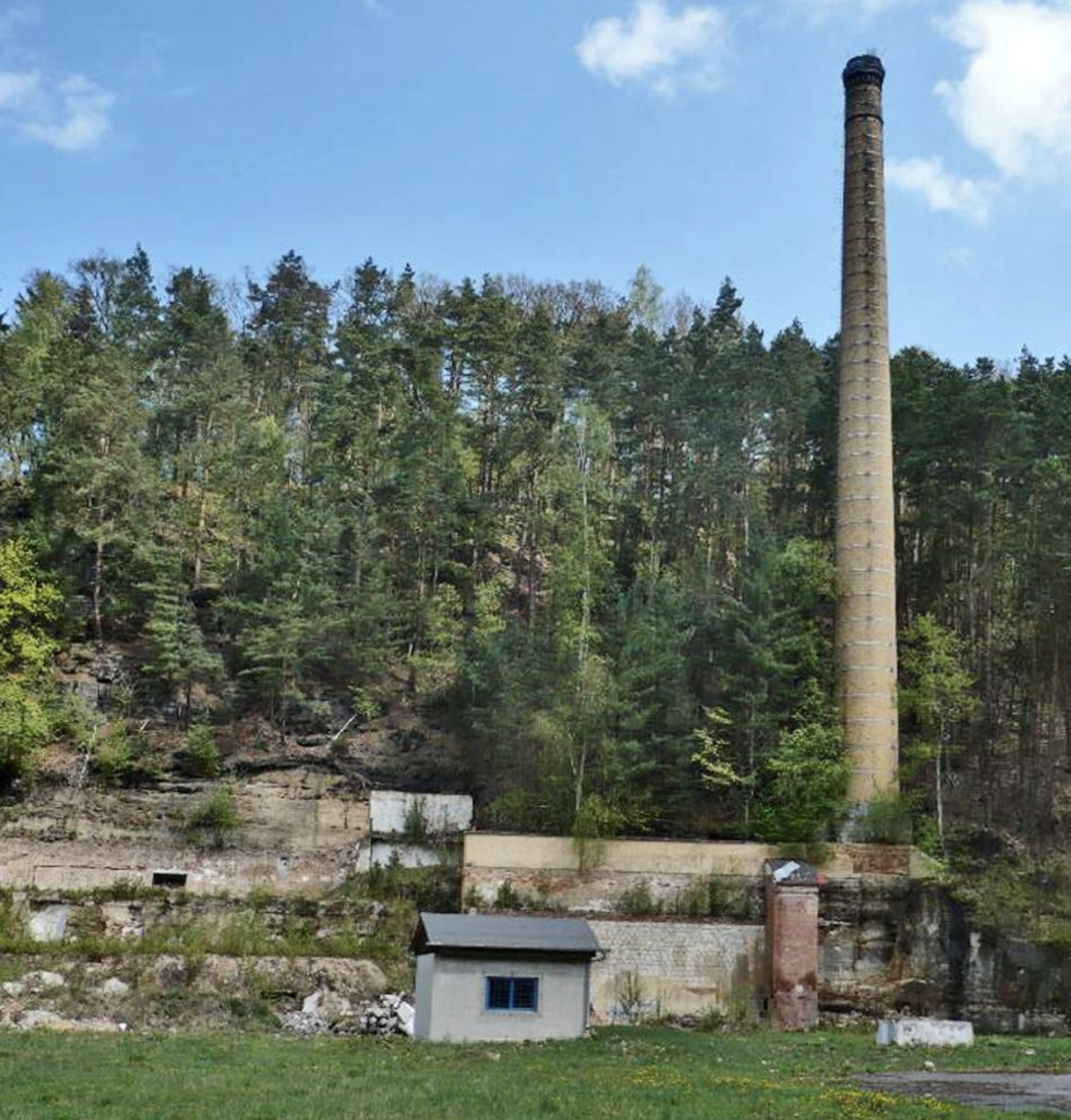
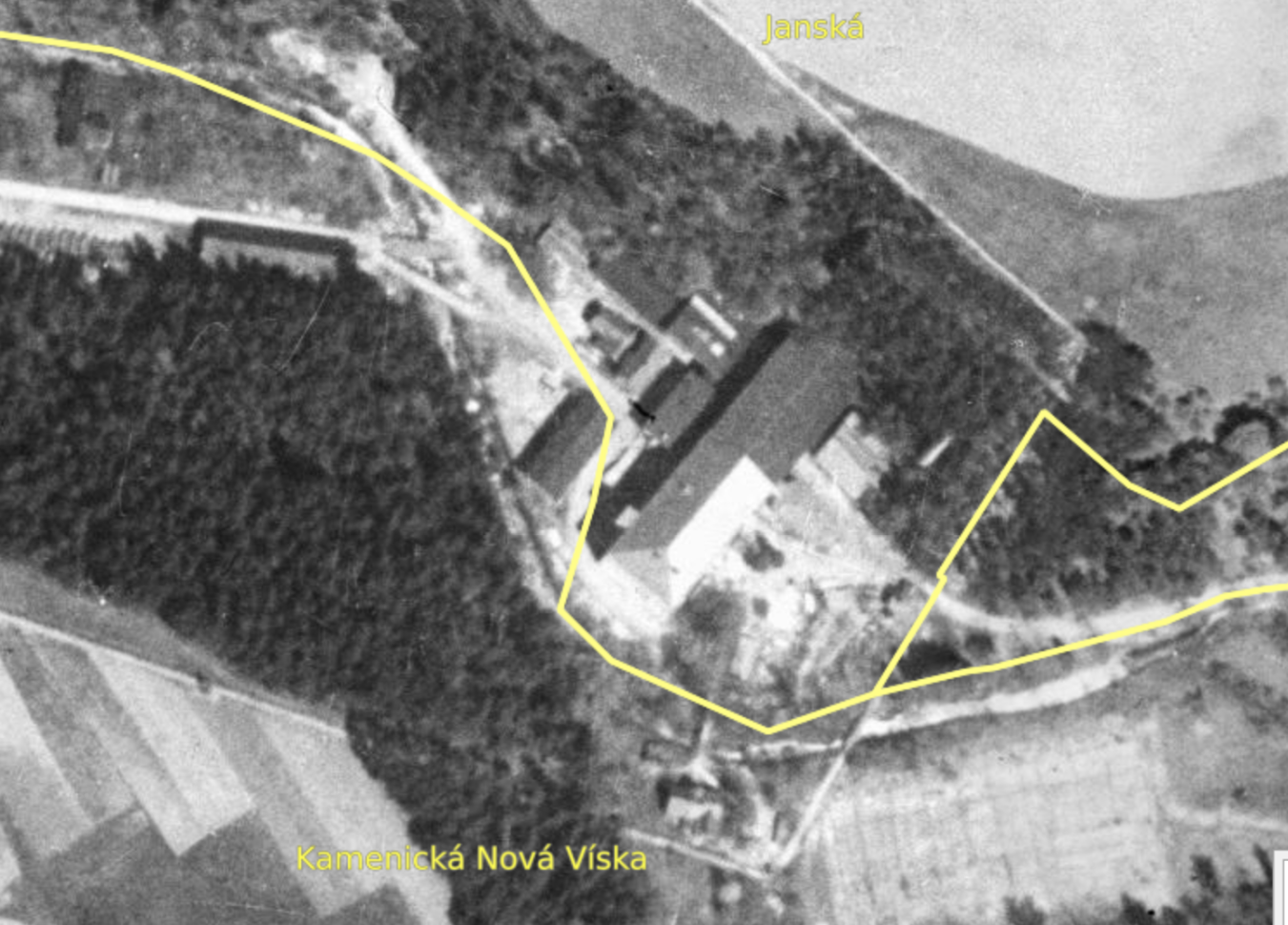
Jan Hylke Van Haaff – The Former Factory Chimney at the Former Preidl Textile Mill and the Nazi Underground Factory Rabštejn (Jánská, near Česká Kamenice)
1 October – Joint field trip
8 October – Lecture by Jakub Potůček, 3 p.m.
15 October – Dita Zdvihalová: Presentation of the diploma project Working with Fragments, Chřiby, 2 p.m.
5 November – Visit to the exhibition Ruins: Architecture of Abandoned Futures at Hraničář Gallery in Ústí nad Labem
12 November – Midterm presentations at Studio A4, 10 a.m.