The Animation and Film Studio is bringing one of the most demanding animation techniques to UMPRUM — and for the first time ever to the Czech Republic: the pinscreen.
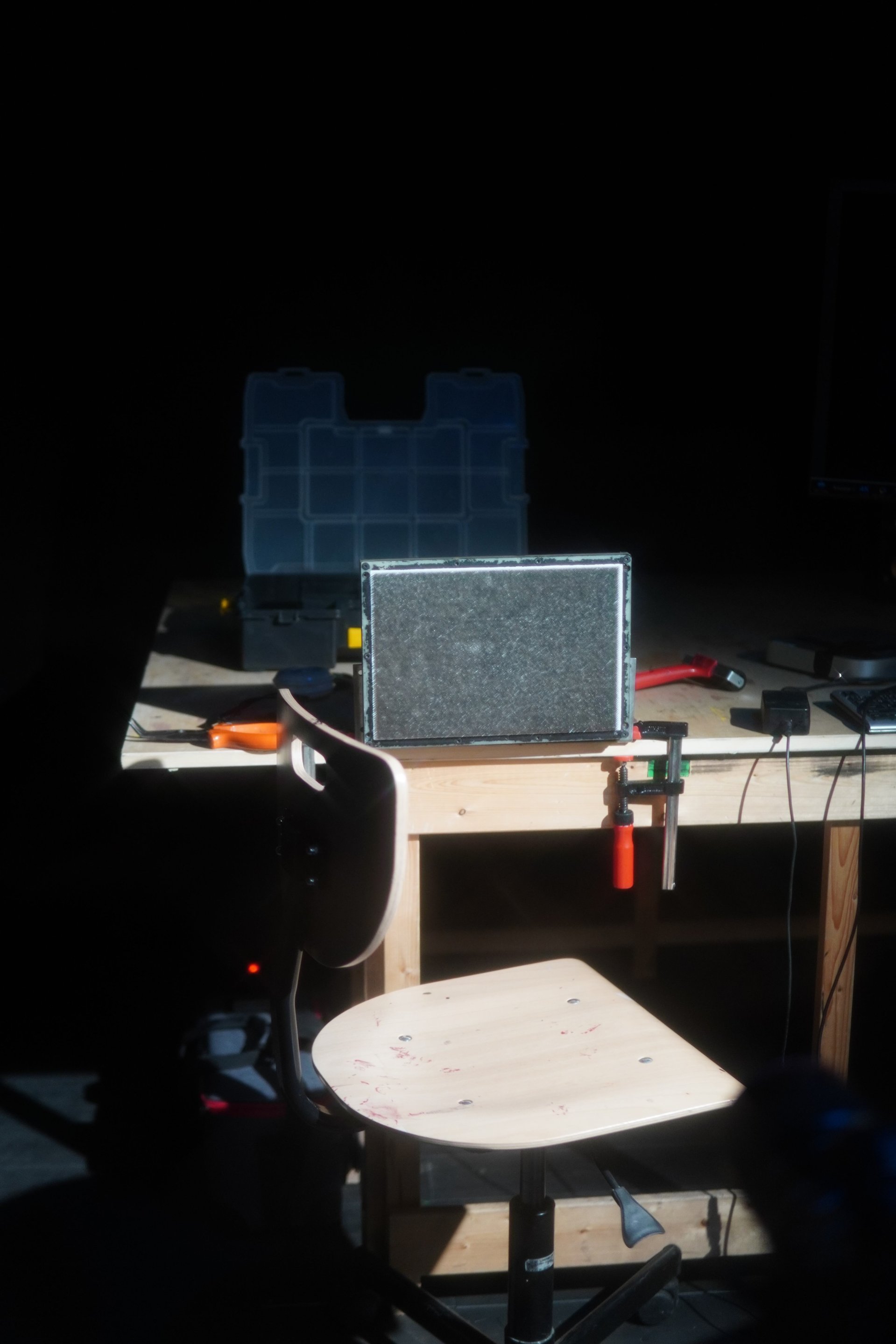
The Animation and Film Studio is bringing one of the most demanding animation techniques to UMPRUM — and for the first time ever to the Czech Republic: the pinscreen.
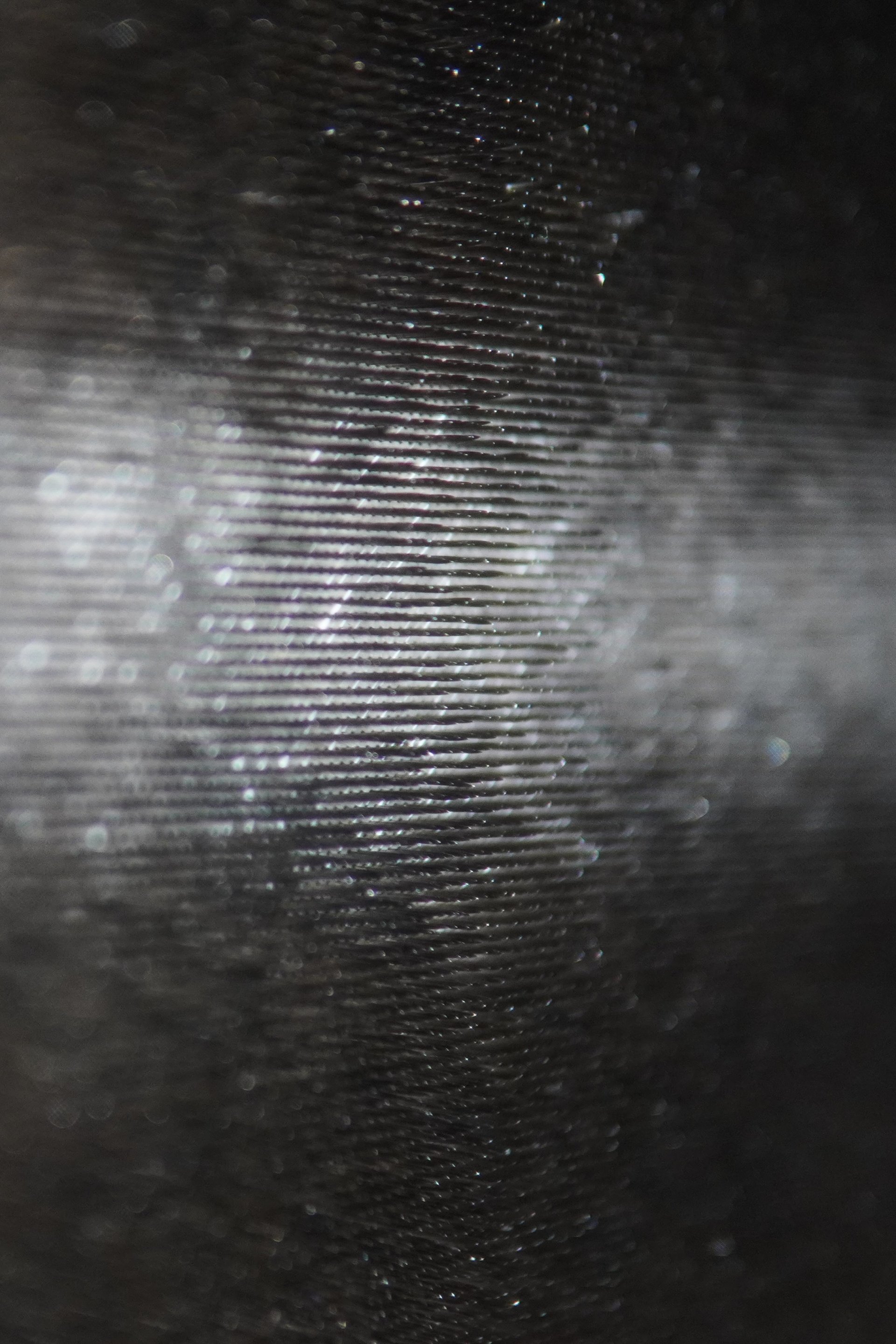
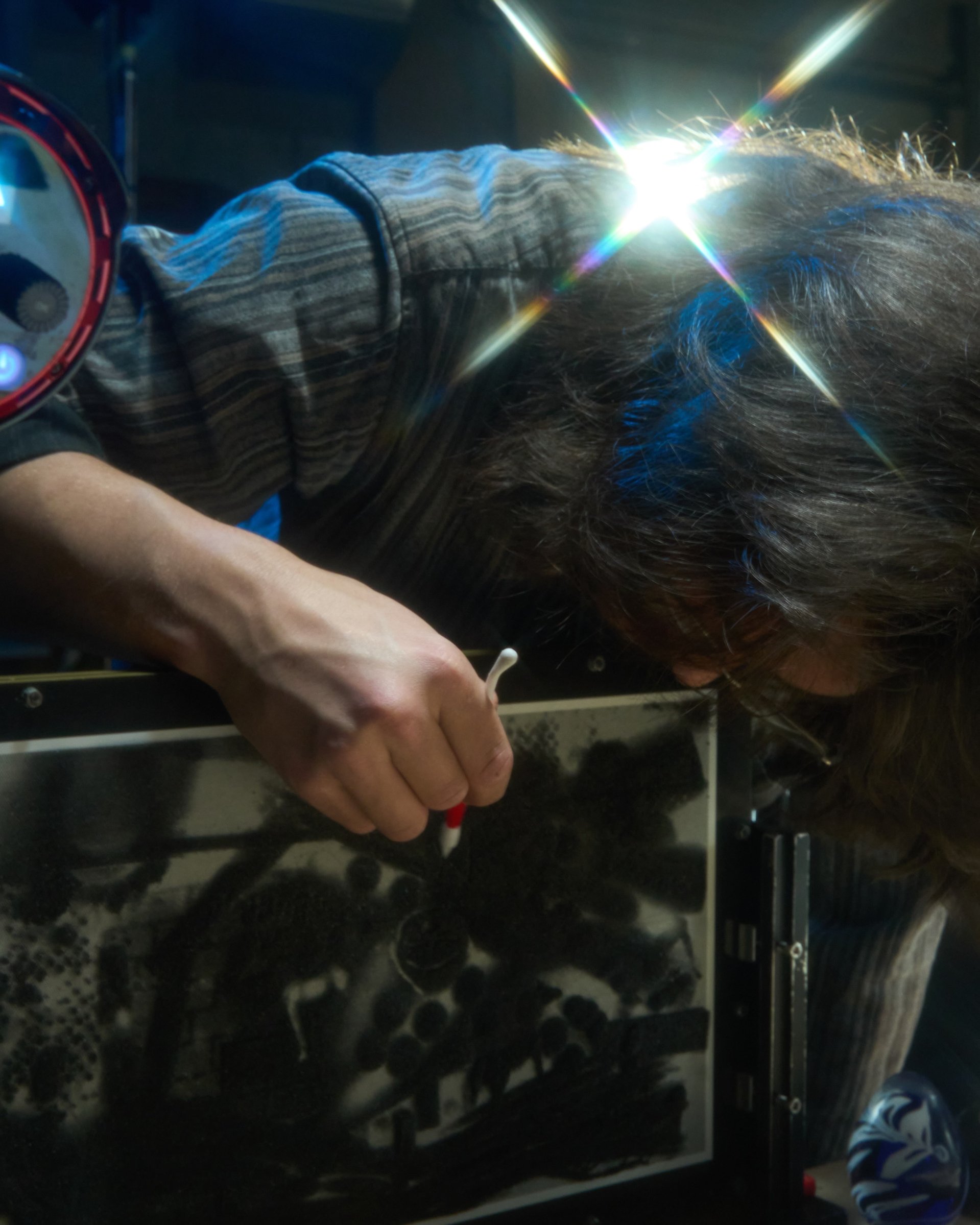
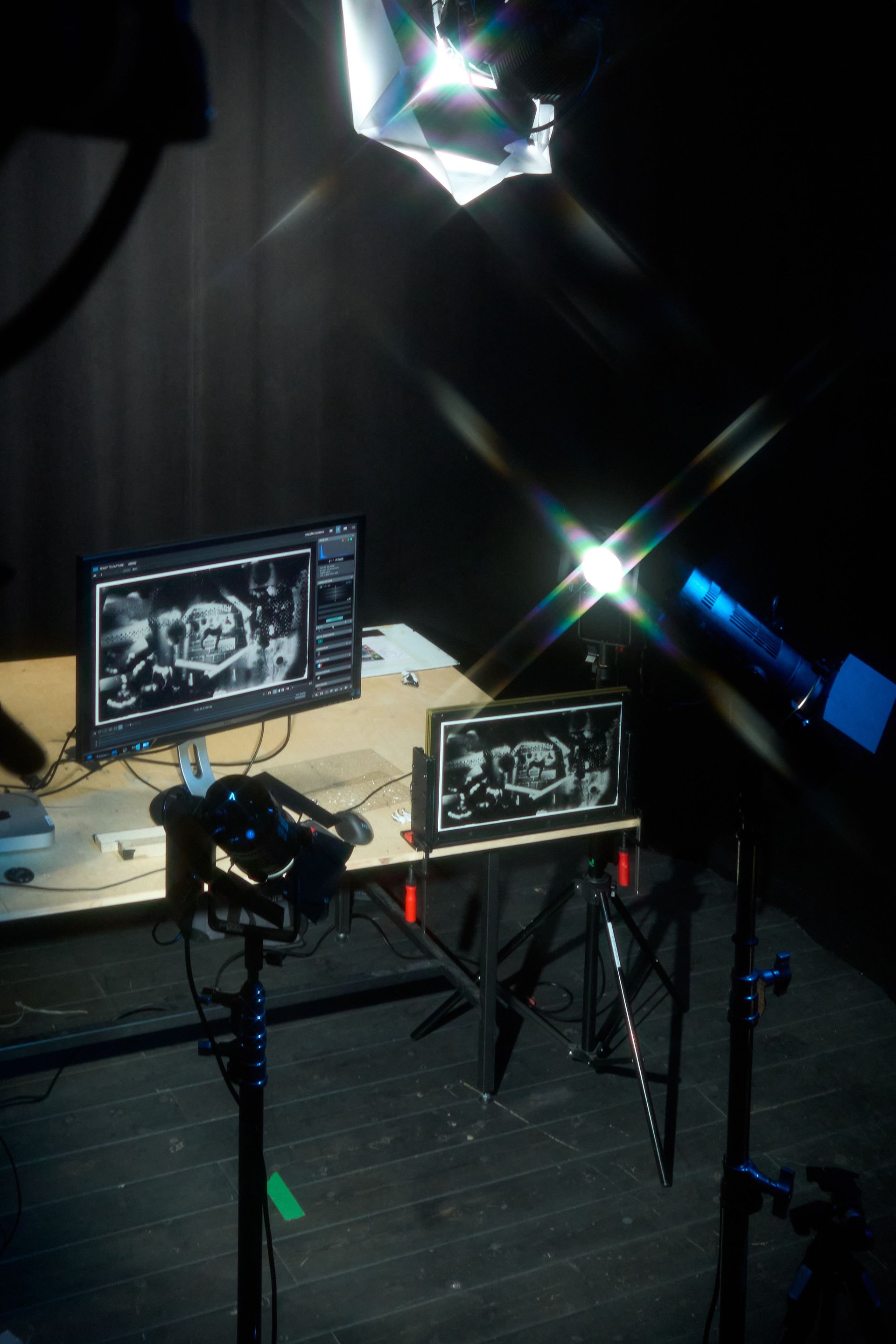
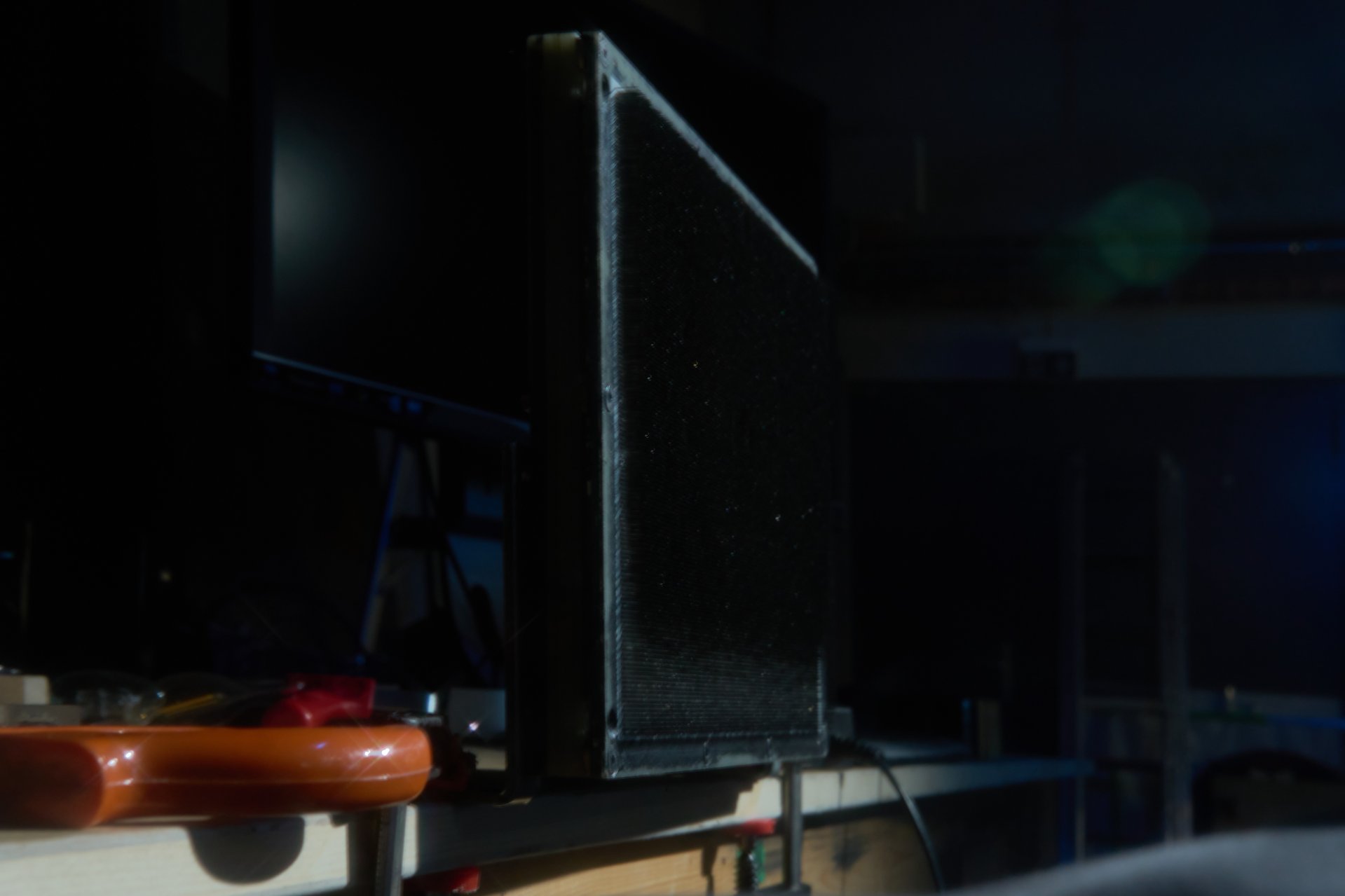
The pinscreen is a special tool used for creating animated films. This animation technique was invented in the 1930s by Alexander Alexeïeff and Claire Parker. It is a frame containing thousands of pins. When lit from the side, the pins cast shadows; by pushing the pins in or out, the animator creates subtle tonal gradients. The animator works from both the front and the back of the screen and, besides using their hands, also works with various objects such as rollers, glass tools, and more. The result is a visually distinctive, dreamlike work. Due to its technical complexity, only a small number of films have been made using this method. The original screen by Alexeïeff and Parker is housed at the National Film Board of Canada (NFB), and another one was recently restored in France (CNC). The technique has been used, for example, by Jacques Drouin and Michèle Lemieux.
Alexandre Noyer has developed his own method for producing pinscreens, effectively democratising the tool. In recent years, he has been introducing it to animators around the world through a series of workshops. Animators can also purchase their own pinscreens, allowing new films to be created worldwide. He will introduce the technique to students of the Animation and Film Studio at UMPRUM through a lecture and an intensive two-day workshop.
The event is supported by the UMPRUM Academic Grant and will take place from April 16 to 17, 2026.
photos: Stanislav Palát