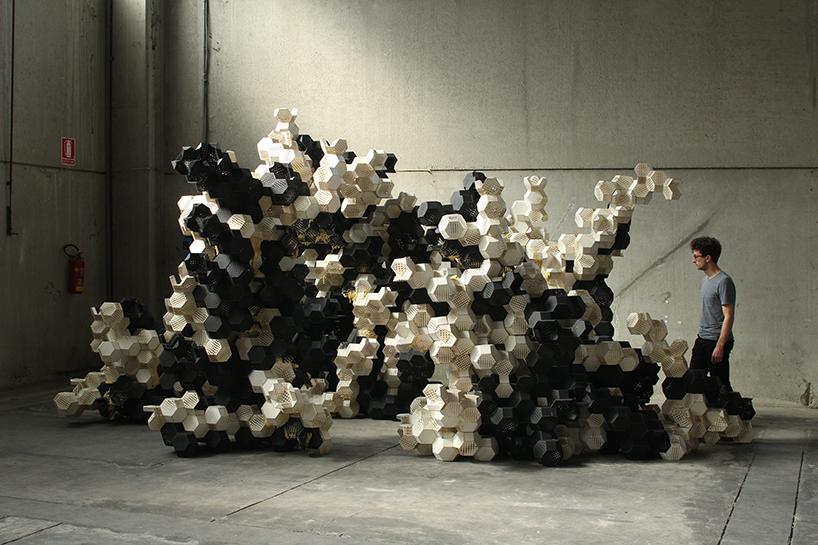
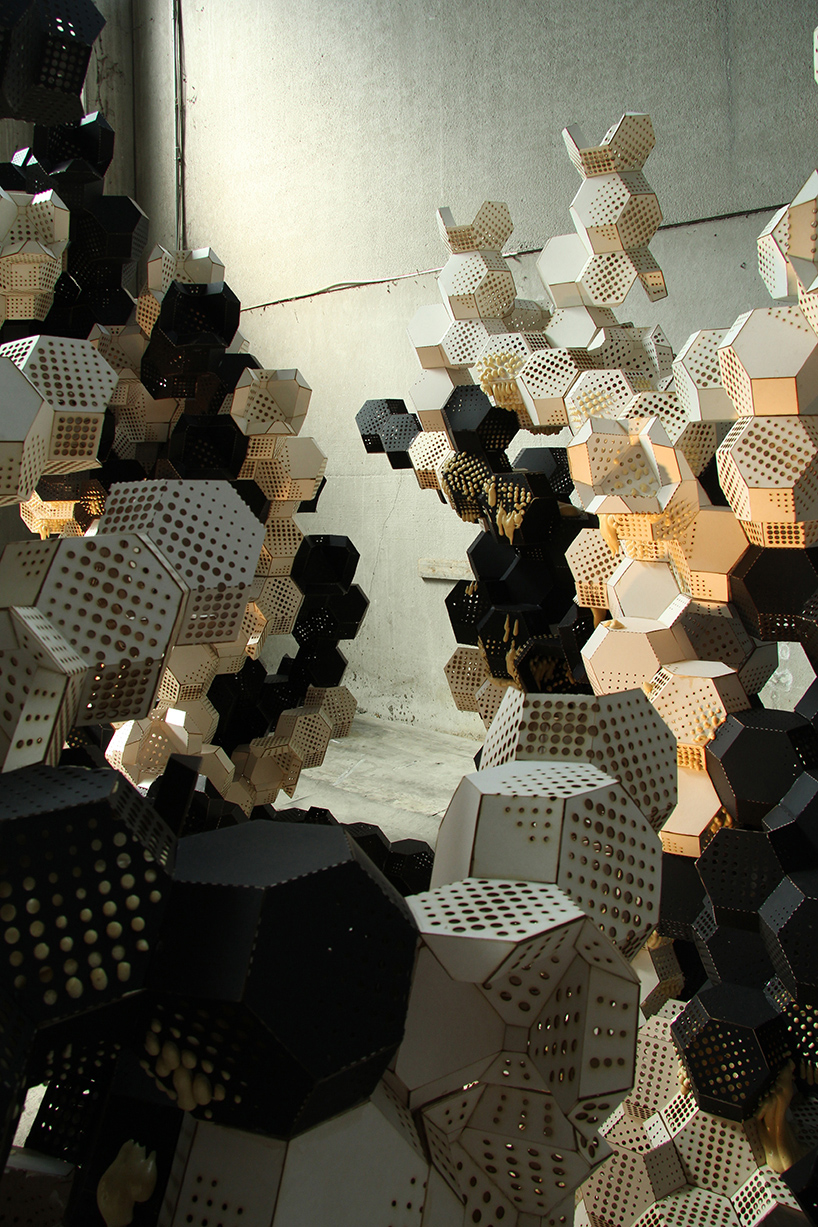
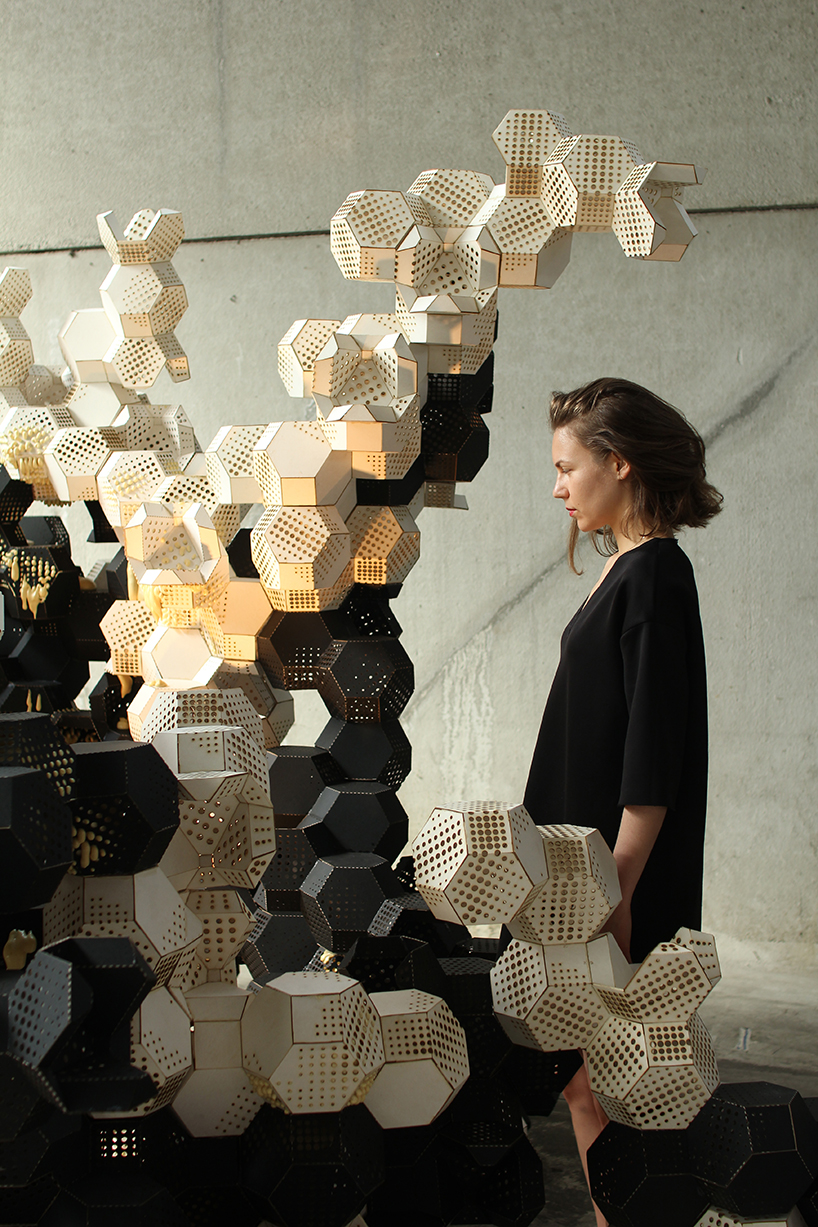
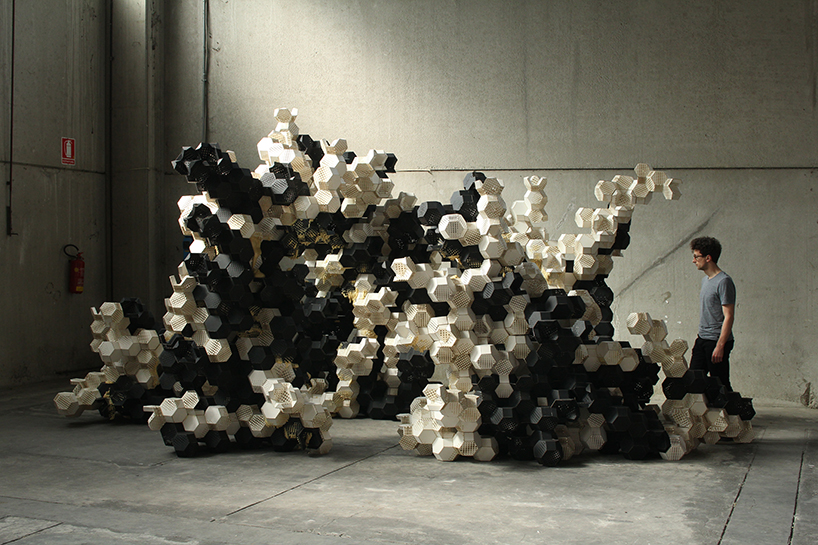
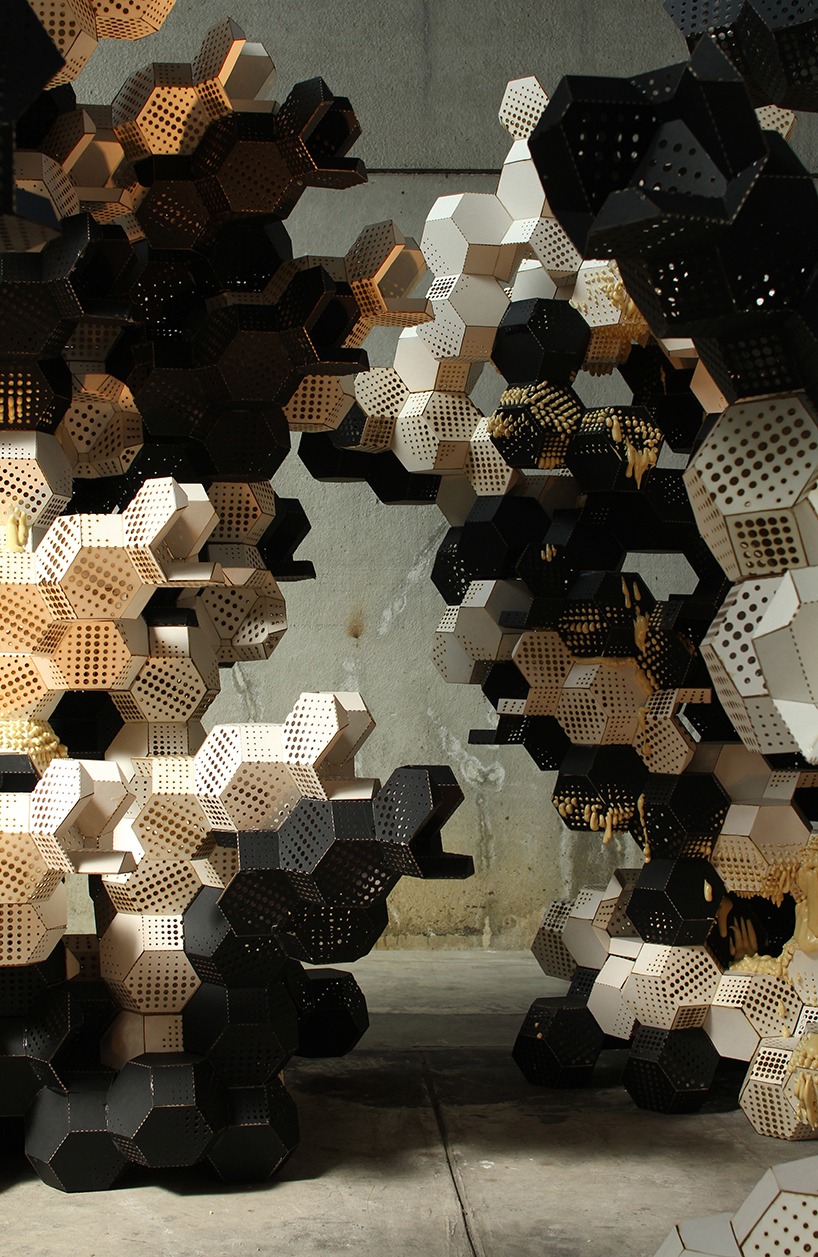
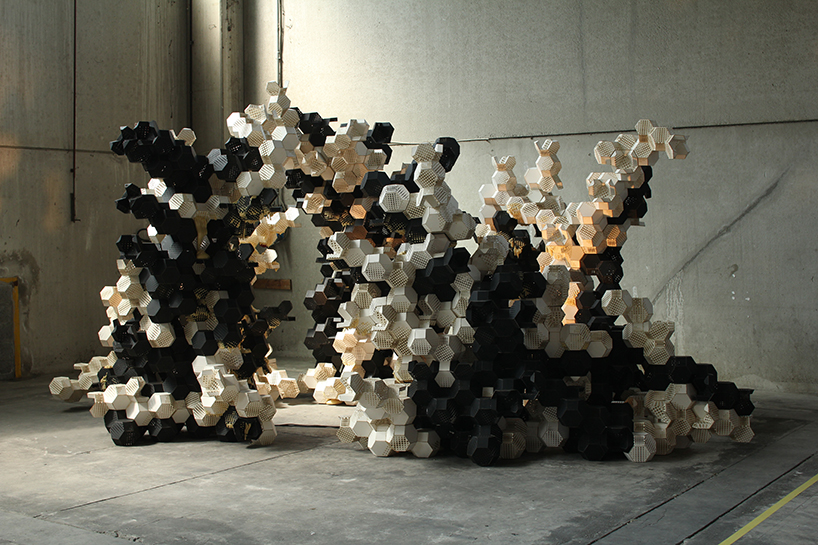
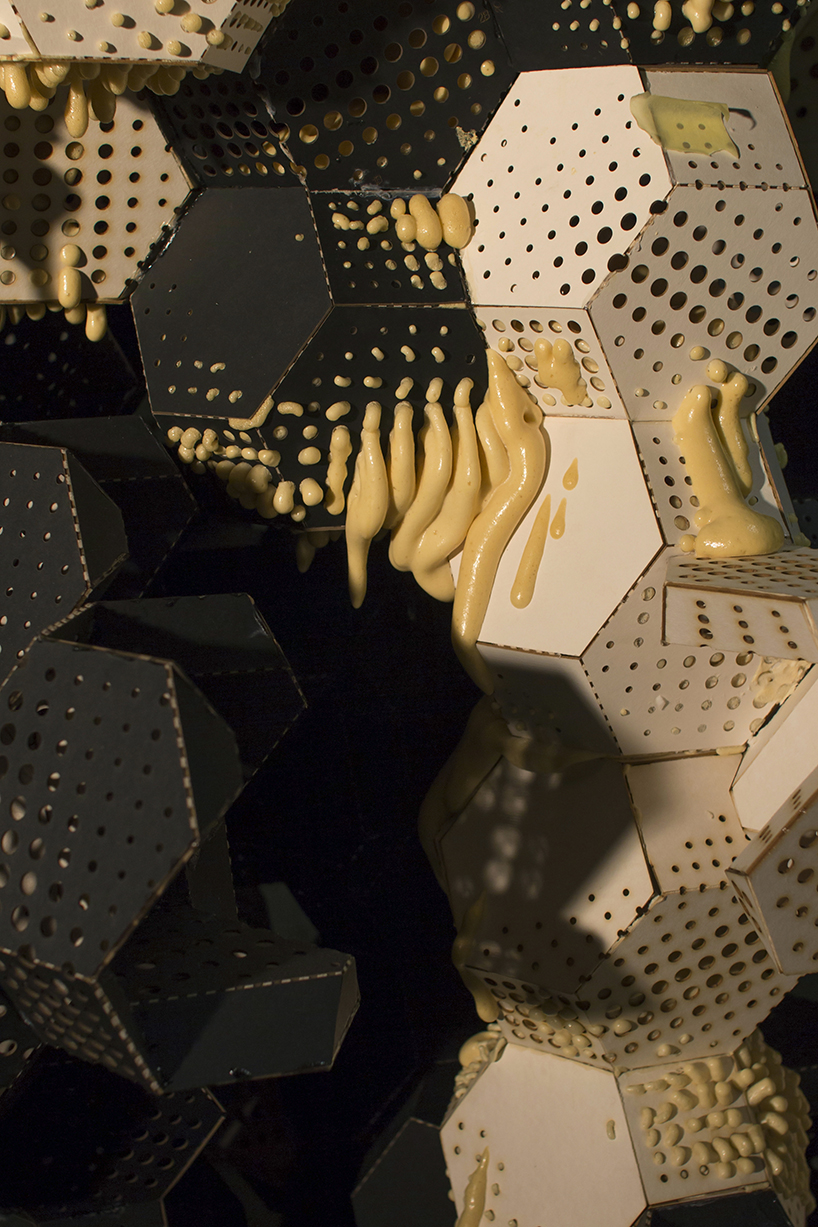
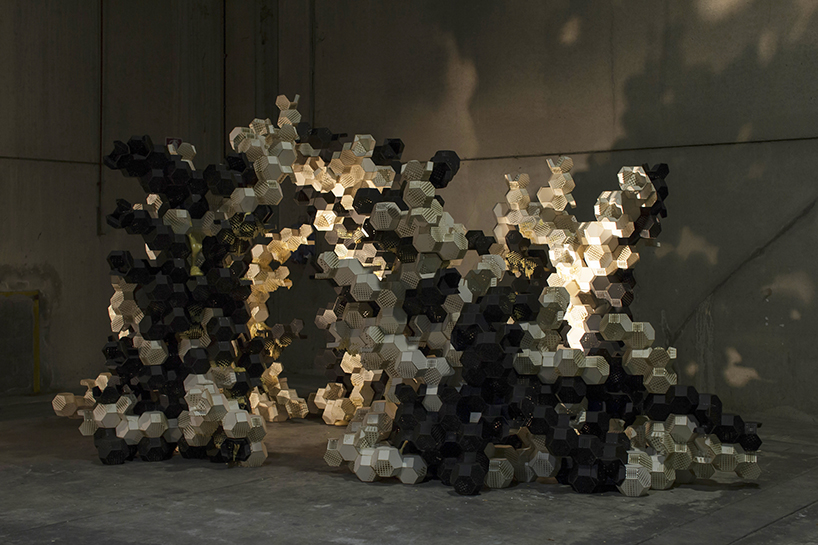
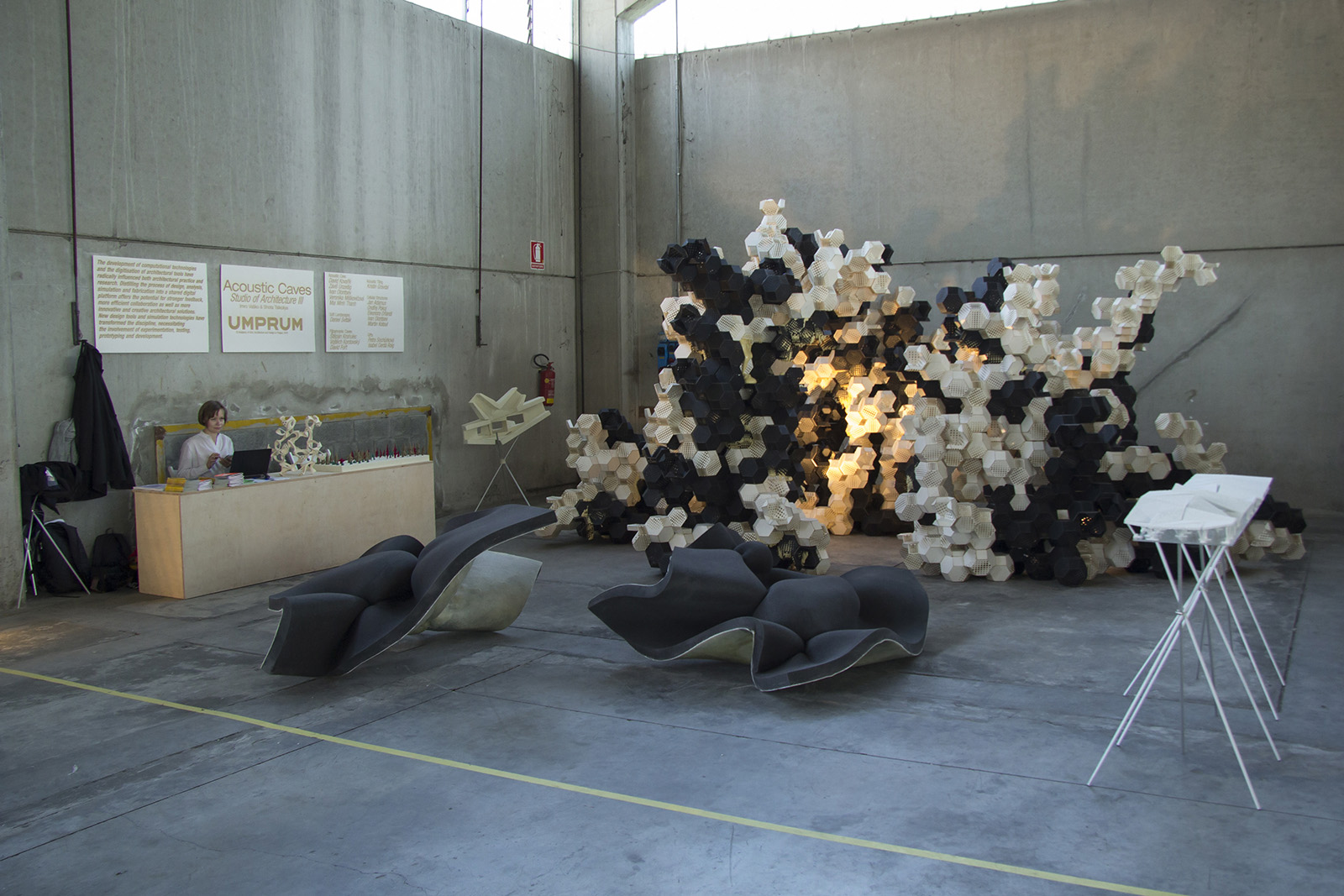
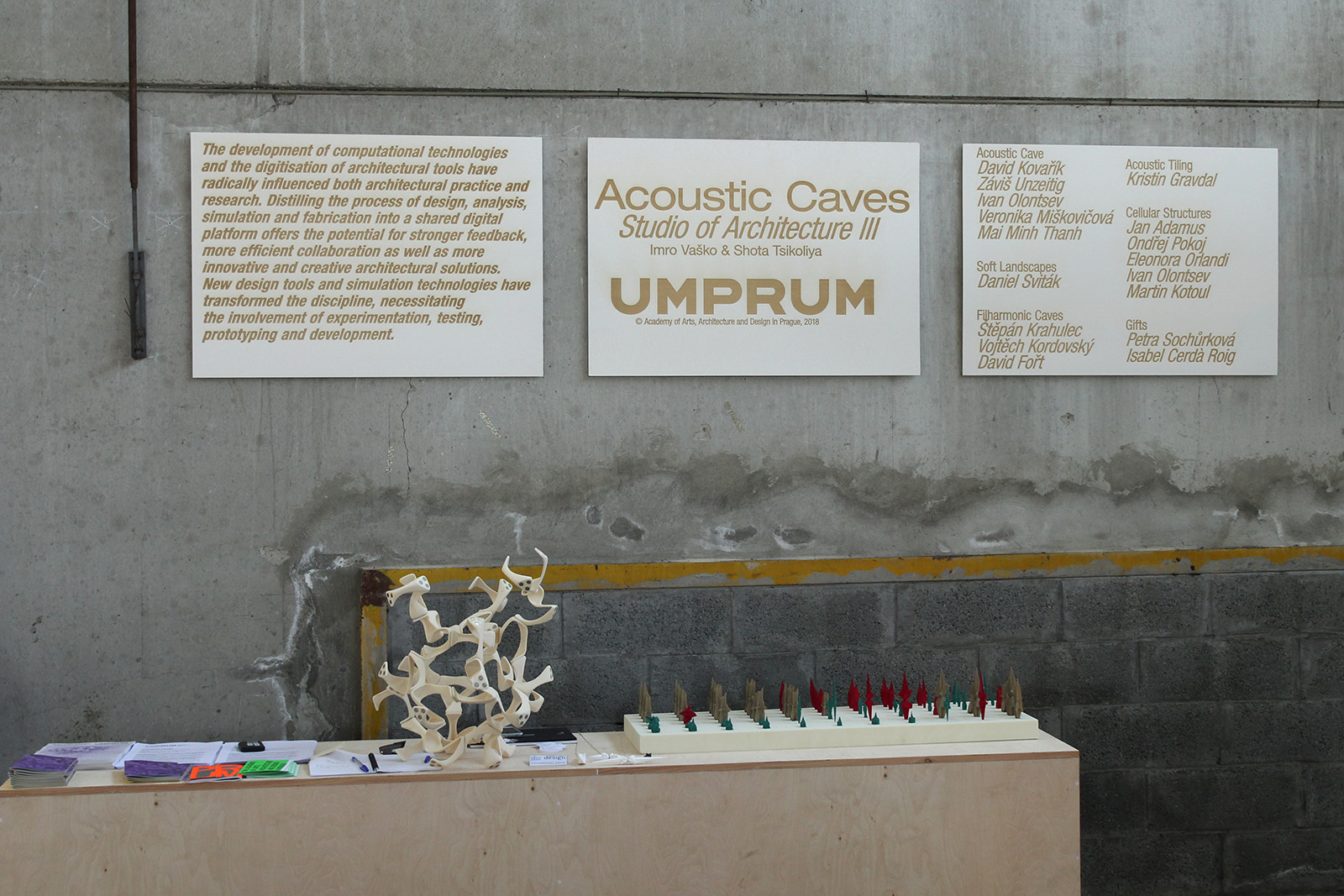
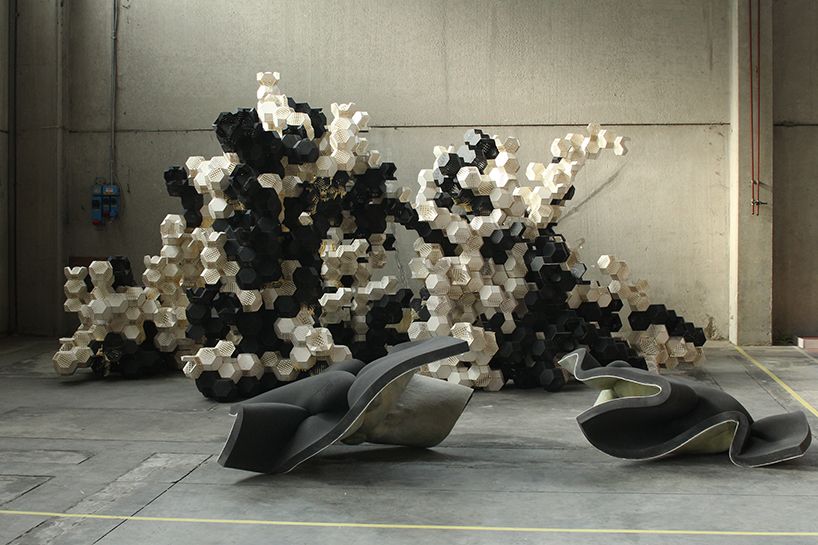
Acoustic Caves, an exhibition that will runs at the Ventura Lambrate zone as part of Milan Design Week – Salone Del Mobile 2018, presents innovative forms of architecture and new ways of thinking about the discipline. Based on an academic research project carried out by the A3 Architectural Studio at the Academy of Arts, Architecture and Design in Prague, the exhibition aims to establish a common relation between design, objects, spaces and architecture using contemporary and state-of-the-art digital design tools. As well as providing academic, technical and artistic platforms for contemporary architecture and design schools, these tools are helpful in evaluating the various design methods and materials currently used in architectural practice.
With the dawn of Industry 4.0 and at a time of radical cultural and technological change, the future has never seemed more present. Architecture is now embracing a new reality.
Acoustic Caves pushes the boundaries of architecture. The huge variety of architectural elements at our disposal are based on the vast range of architectural ideas formulated throughout centuries of experimentation – from the principles advocated by Marcus Vitruvius Pollio in his Ten Books on Architecture (De architectura) to Rem Koolhaas’s Elements of Architecture – a landmark guide to 15 essential architectural principles – which was exhibited at the Venice Biennale in 2014. These elements define architectural spaces, making up a system of precisely formulated building blocks. However, in this age of highly sophisticated technological tools and social change, redefinitions of these valid codified conventions, rules and criteria have begun to take shape, creating new hybrid interpretations. With the transformation in art-historical discourse and as architectural terminology becomes increasingly blurred, the scale of possible associations has expanded to usher in new typologies. New specialist disciplines are being created to reflect these general changes in categorisation. What was private is now public; what was small is now big. An object can become space; space can become a fractal. All objects, whether they be associated with fashion, design or industry, have been subsumed within the discipline we call architecture, have become part of its space.
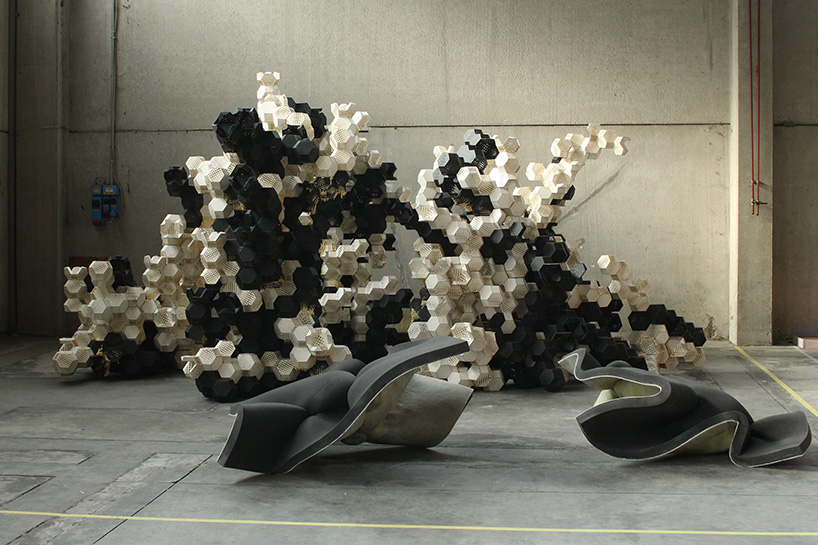
We call the prototype of this new hybrid space the “cave”. Featuring an interior with no exterior, the cave is a speculative re-imagining of how we think about architectural spaces and represents a central feature of the Acoustic Caves exhibition. The concept of the cave has been interpreted in various ways by contemporary architects, as seen for example in Christian Kerez’s research project presented at the Swiss pavilion as part of the architectural biennale in Venice in 2016 and in Paper Cave by Studio Greg Lynn from Vienna’s University of Applied Arts. The cave is a versatile installation that delivers a tactile, acoustic and visual experience. For the Acoustic Caves exhibition, the studio’s architecture students developed several individual projects as responses to changing architectural typologies, including an arrangement for an orchestra and auditorium that transforms a hall from a horizontal configuration to a sloping vineyard-like incline, occupying vertical chimney spaces. The students have also taken a fresh approach to sound perception, performance experience and social interaction to reflect an age brimful of new technologies and as a response to our increasingly globalised lifestyles.
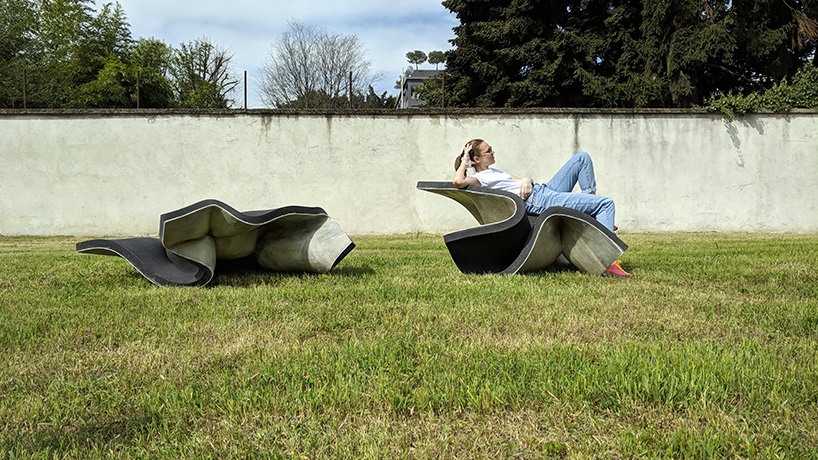
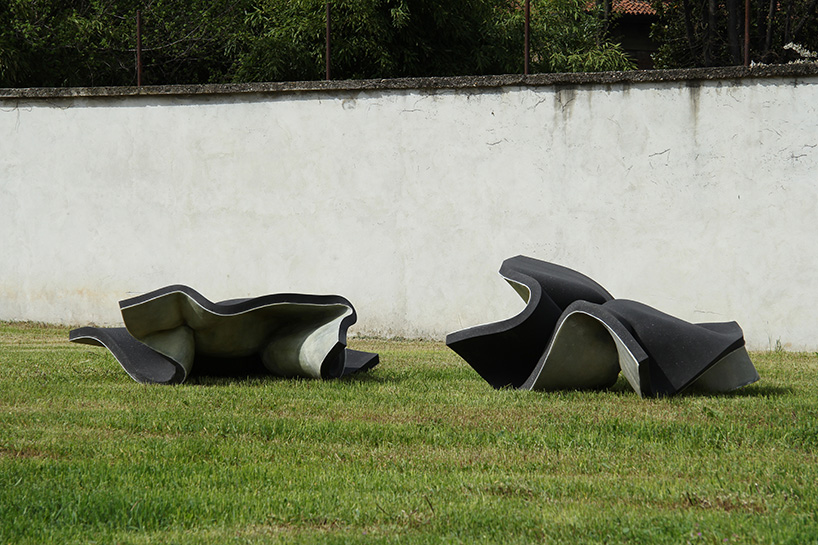
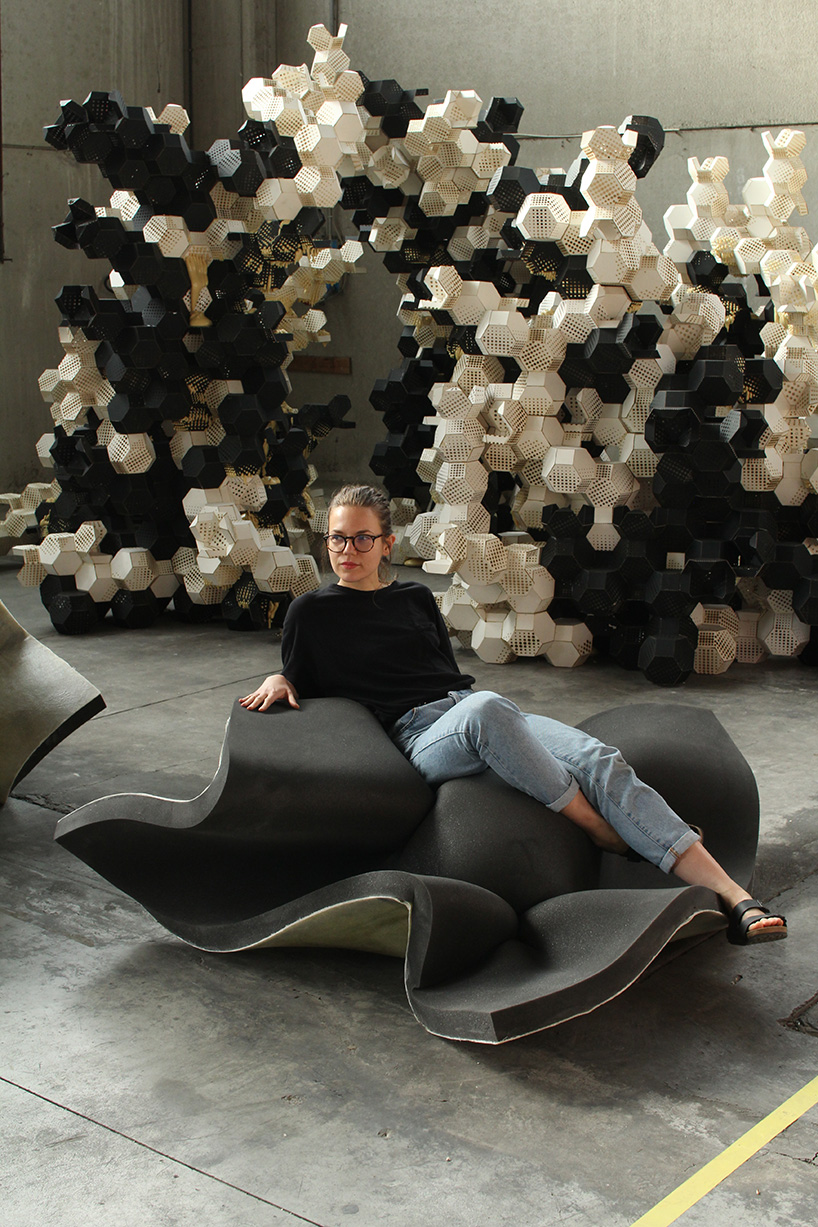
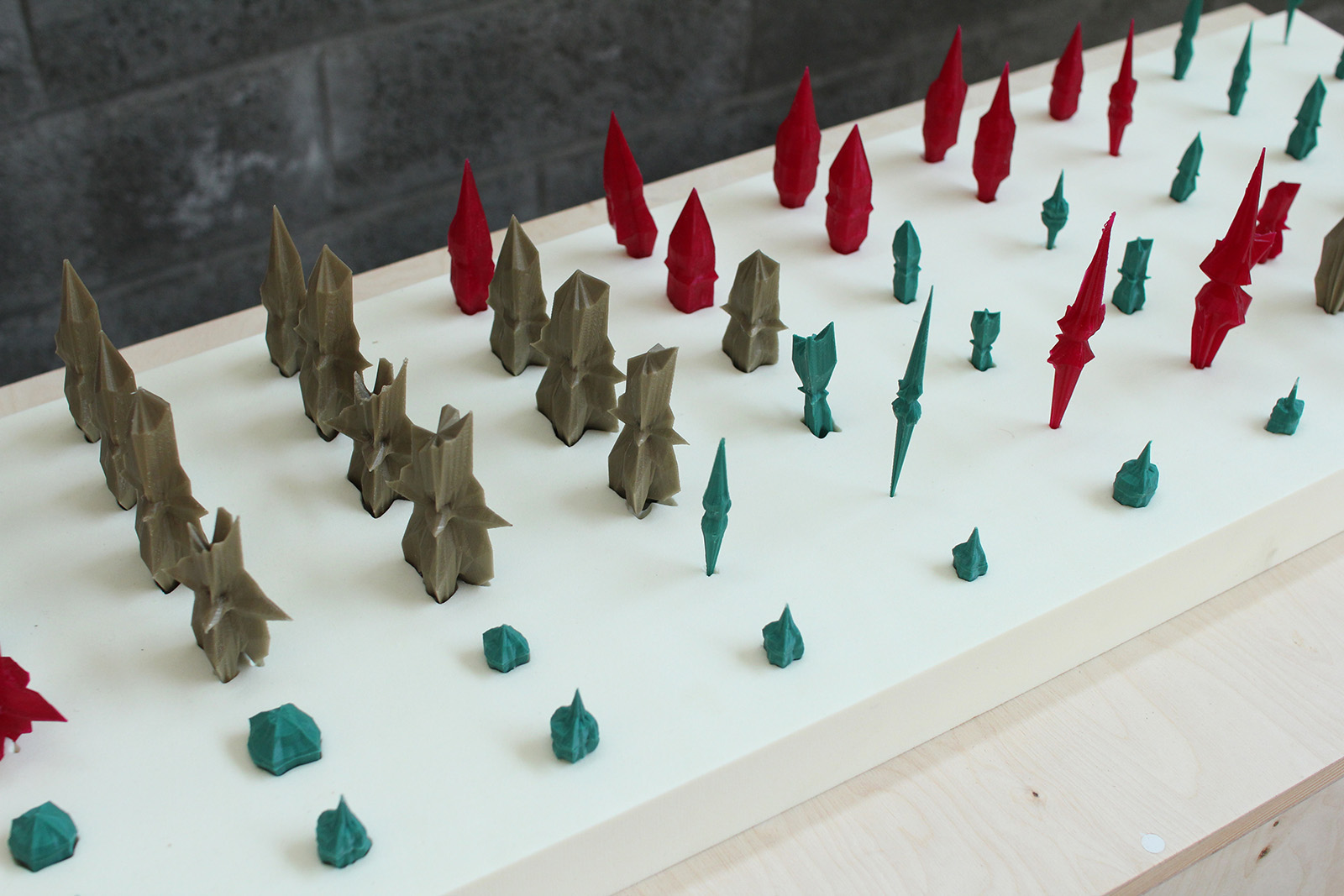
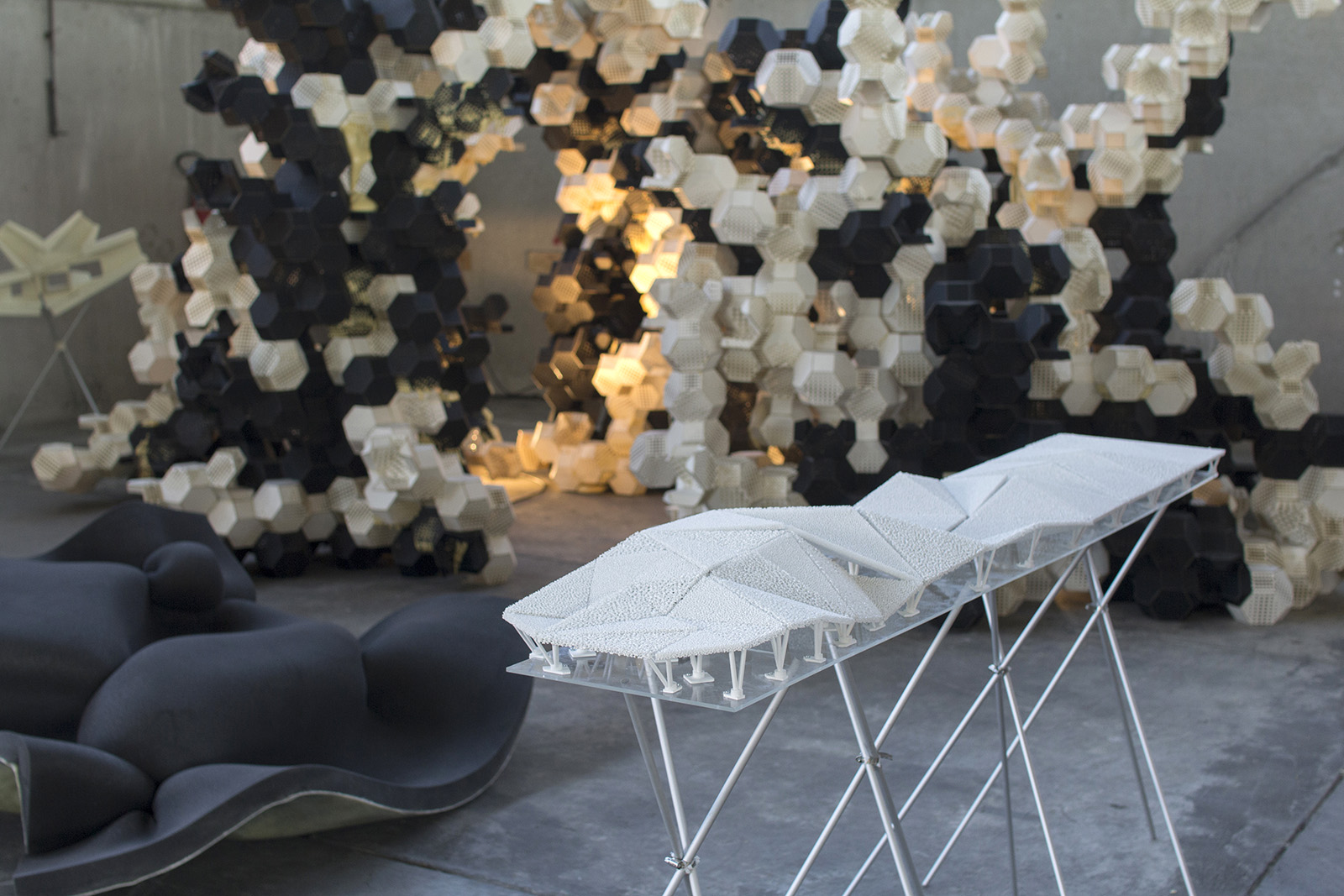
The seven projects by A3 Studio’s creative team speculate on the various interpretations that can be drawn from architectural objects and spaces, providing different examples of changing architectural typologies and current digital design methods. The central piece of the exhibition CoEx (David Kovařík, Záviš Unzeitig, Ivan Olontsev, Veronika Miškovičová, Mai Minh Tanh) is a unique dual prototype composed of an inside (interior) and outside (shape). The fluidity of surfaces between spaces and objects is examined in SoFa (Daniel Sviták), while the cave model The Philharmonic (Štěpán Krahulec, Vojtech Kordovský, David Fořt) represents a fusion of various architectural geometries and typologies that serve as a starting-point for manipulating new spatial, dispositional and cultural interpretations of concert halls. Architecturally moderated modular tests are presented in Acoustic Tiling (Kristin Gravdal), offering material support for the application of new geometry. Scripted Gifts (Petra Sochůrková) offer further interesting insights. It is hoped that Acoustic Caves will both provoke and inspire visitors to the Milan Furniture Fair, an important international event that sees a professional audience gather to evaluate the aesthetical, technological and philosophical possibilities afforded by furniture. We are looking forward to the response from the public.