9–13 September 2026
Ars Electronica Festival, University of Arts Linz. Hauptplatz 6, 4020 Linz, Austria
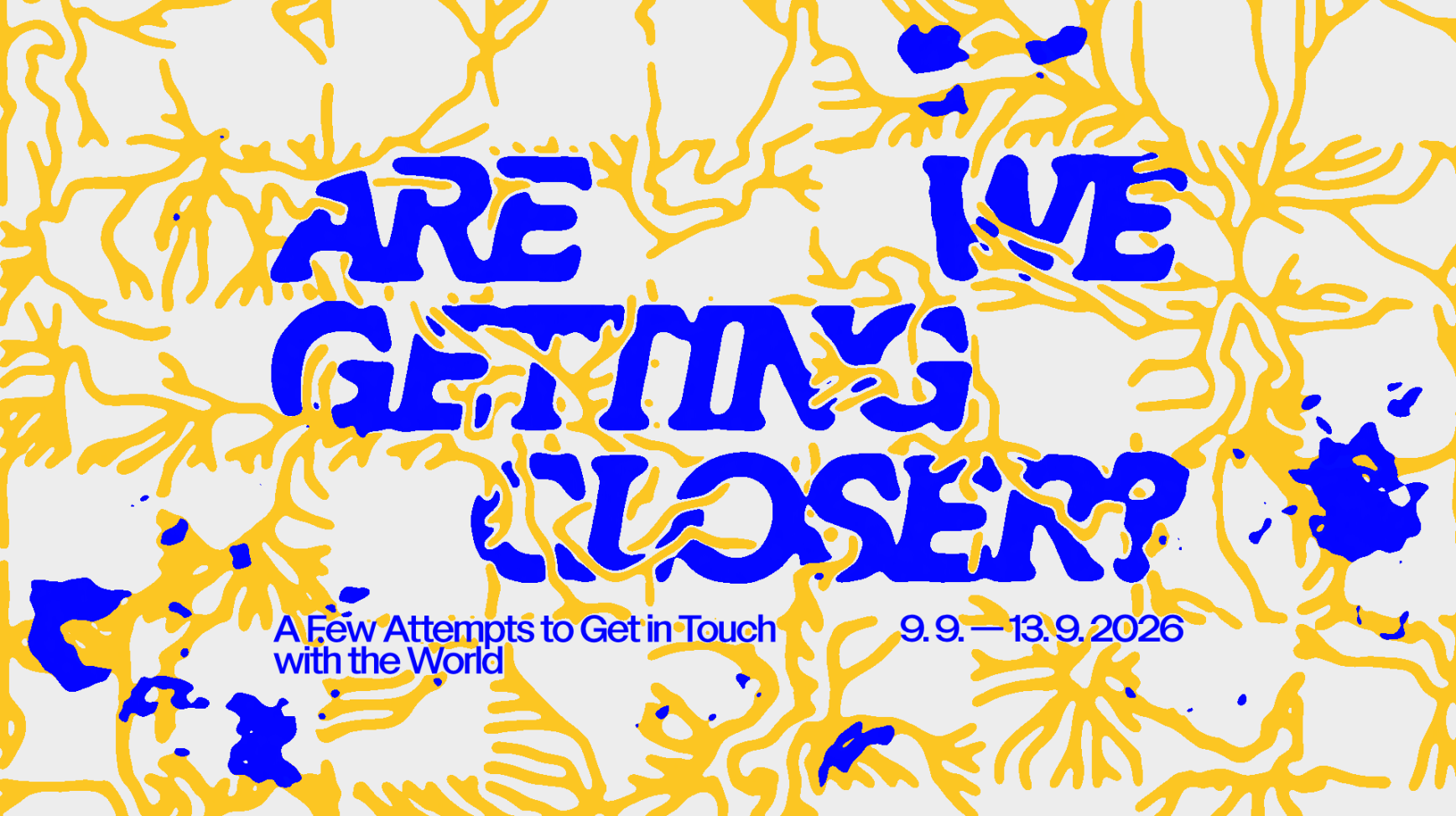
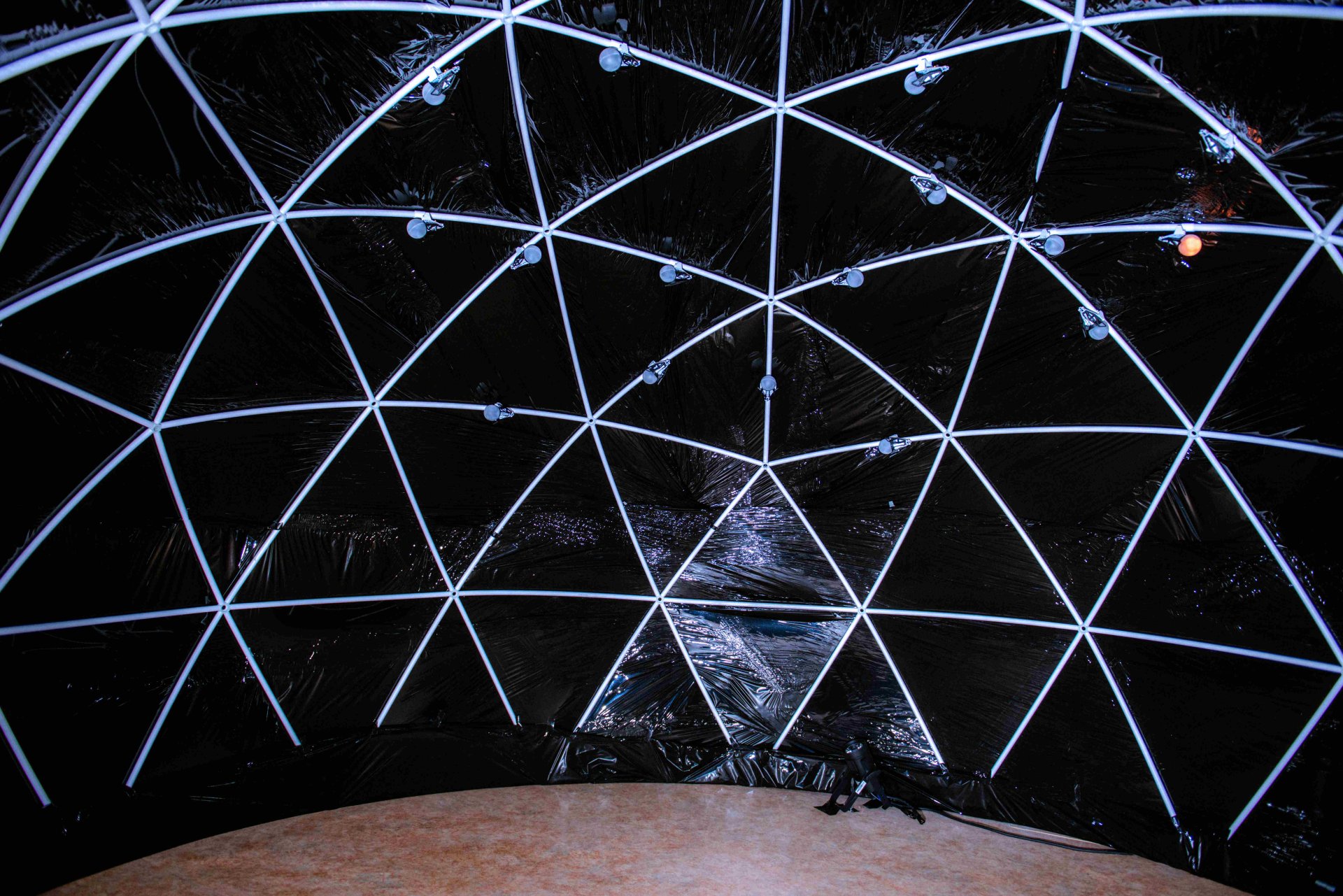
The Academy of Arts, Architecture and Design in Prague (UMPRUM) returns to the Ars Electronica Festival in Linz, Austria. The exhibition Are We Getting Closer? A Few Attempts to Get in Touch with the World brings together five projects by the Studio of Design and Digital Technologies and the Studio of Architecture III, all of which seek to move beyond an anthropocentric understanding of the world.
The long-held assumption that humans have their coexistence with non-human actors on this planet under control is beginning to reveal its limitations. UMPRUM students are responding to this realization by challenging established modes of seeing and knowing the world. Their projects propose new strategies for drawing closer to the environments and entities with which humans need to collaborate. “The exhibition explores the potential of digital technologies primarily through the medium of games, game systems, and related interactive forms, inviting viewers to consider the relationships between humans, nature, and technology,” explains Jan Netušil, head of the Studio of Design and Digital Technologies.
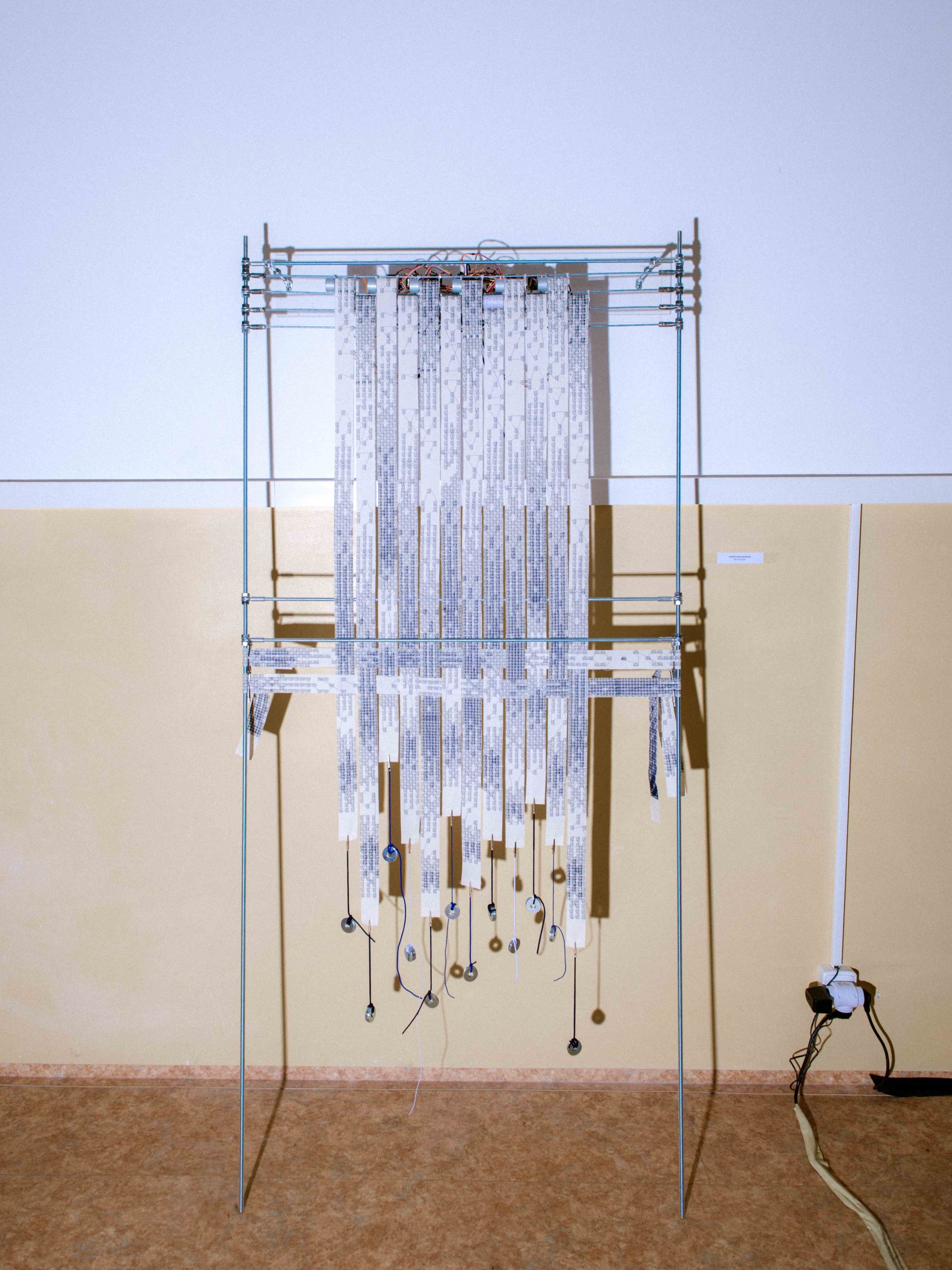
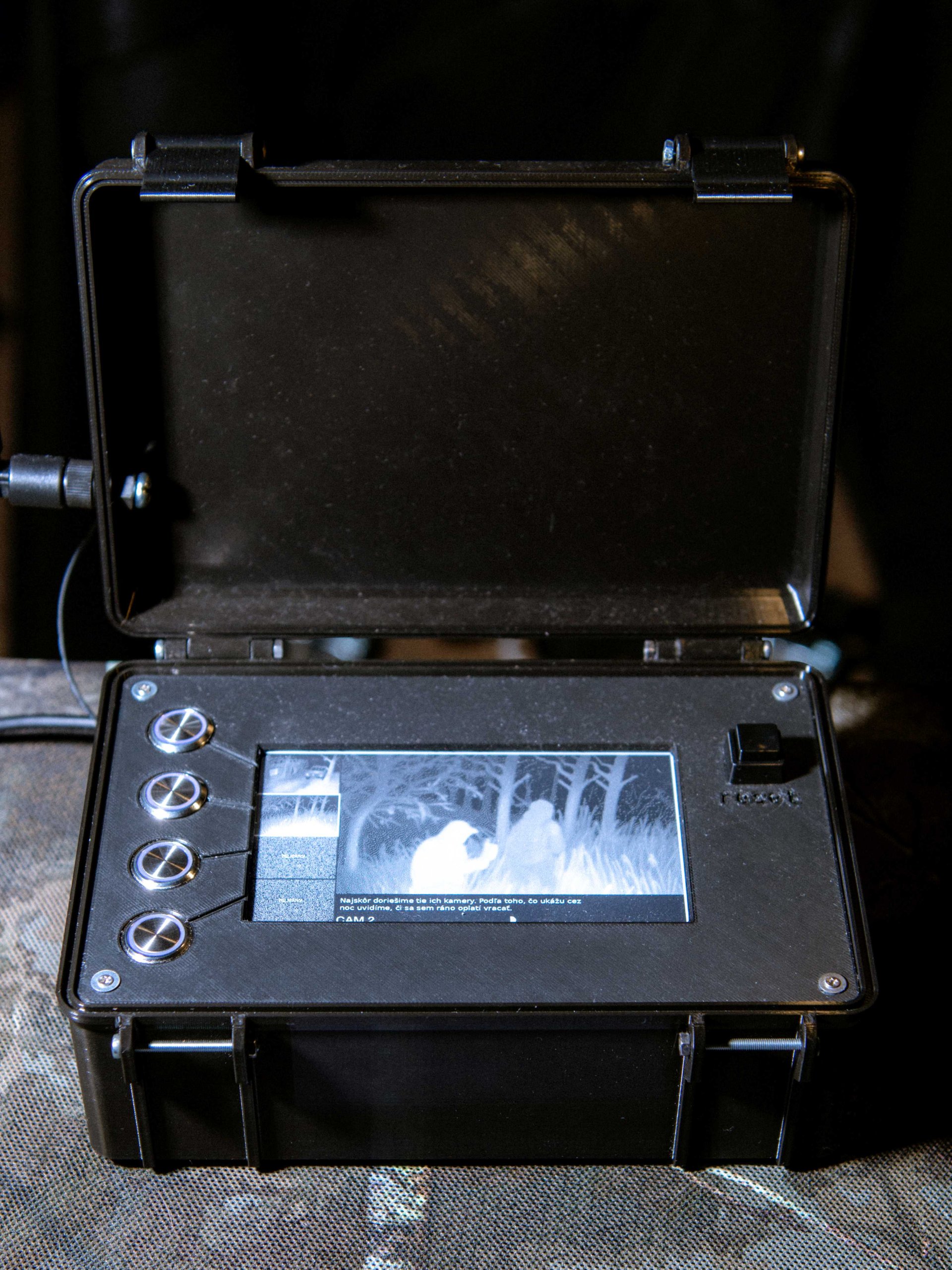
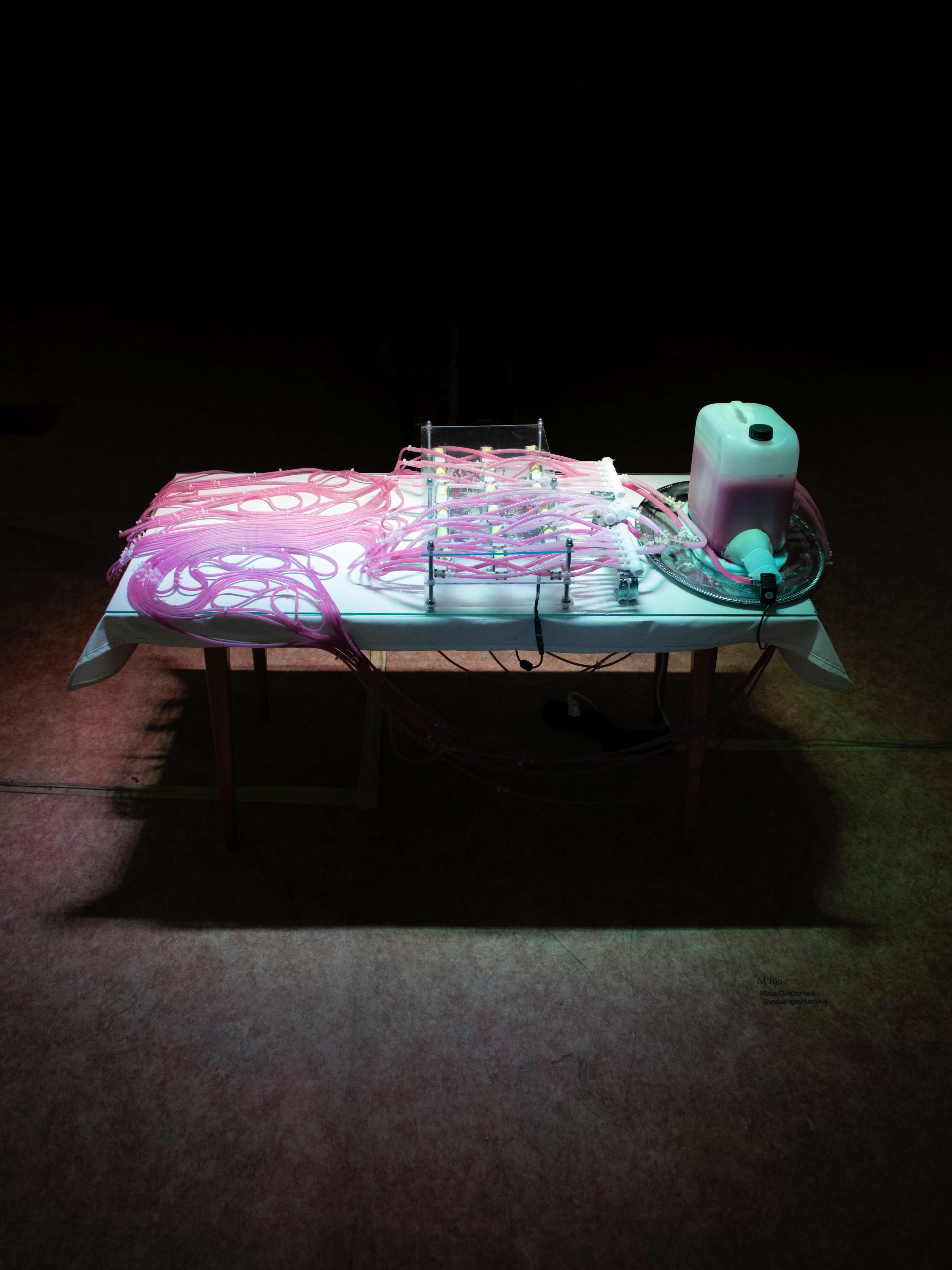
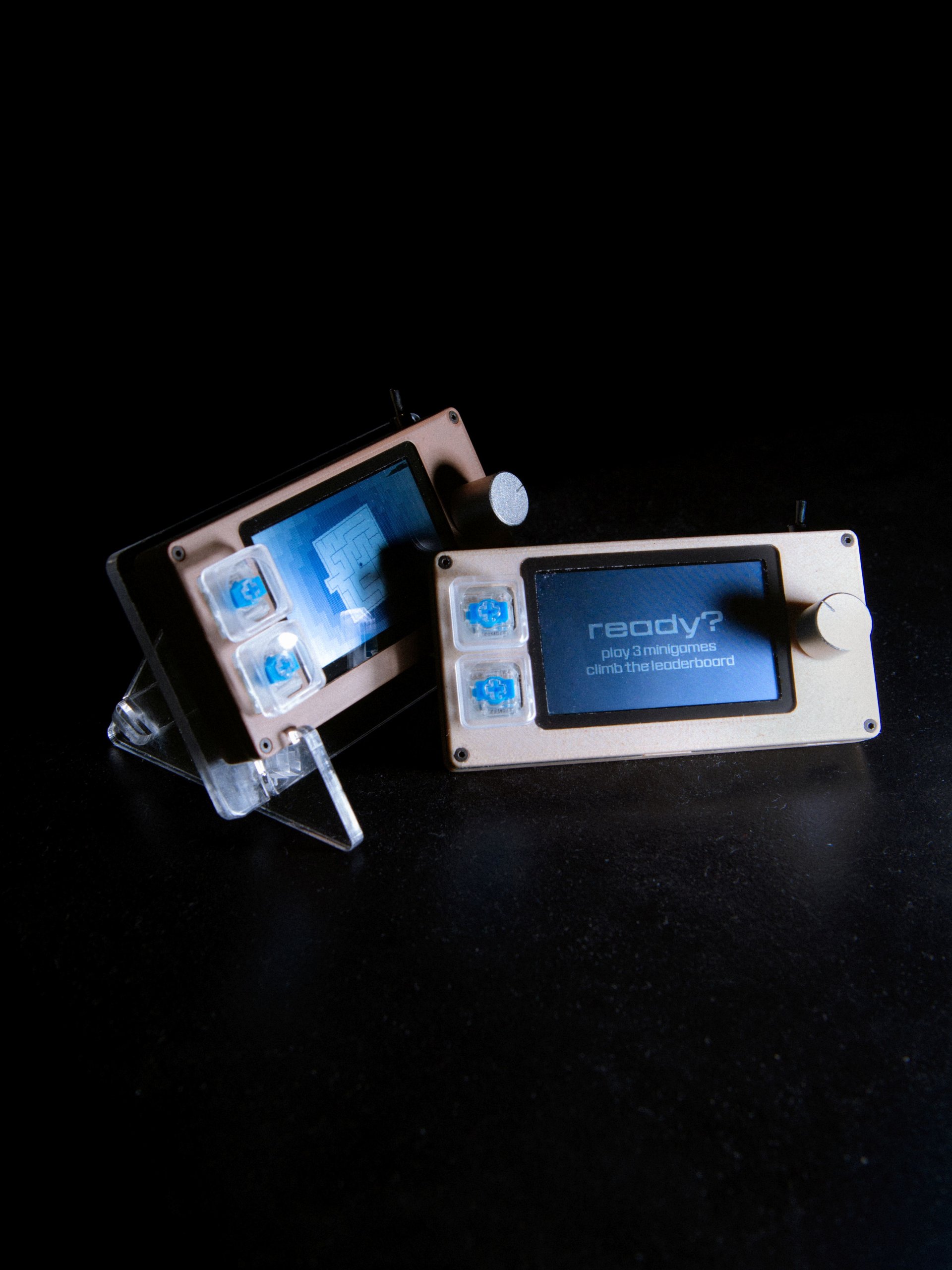
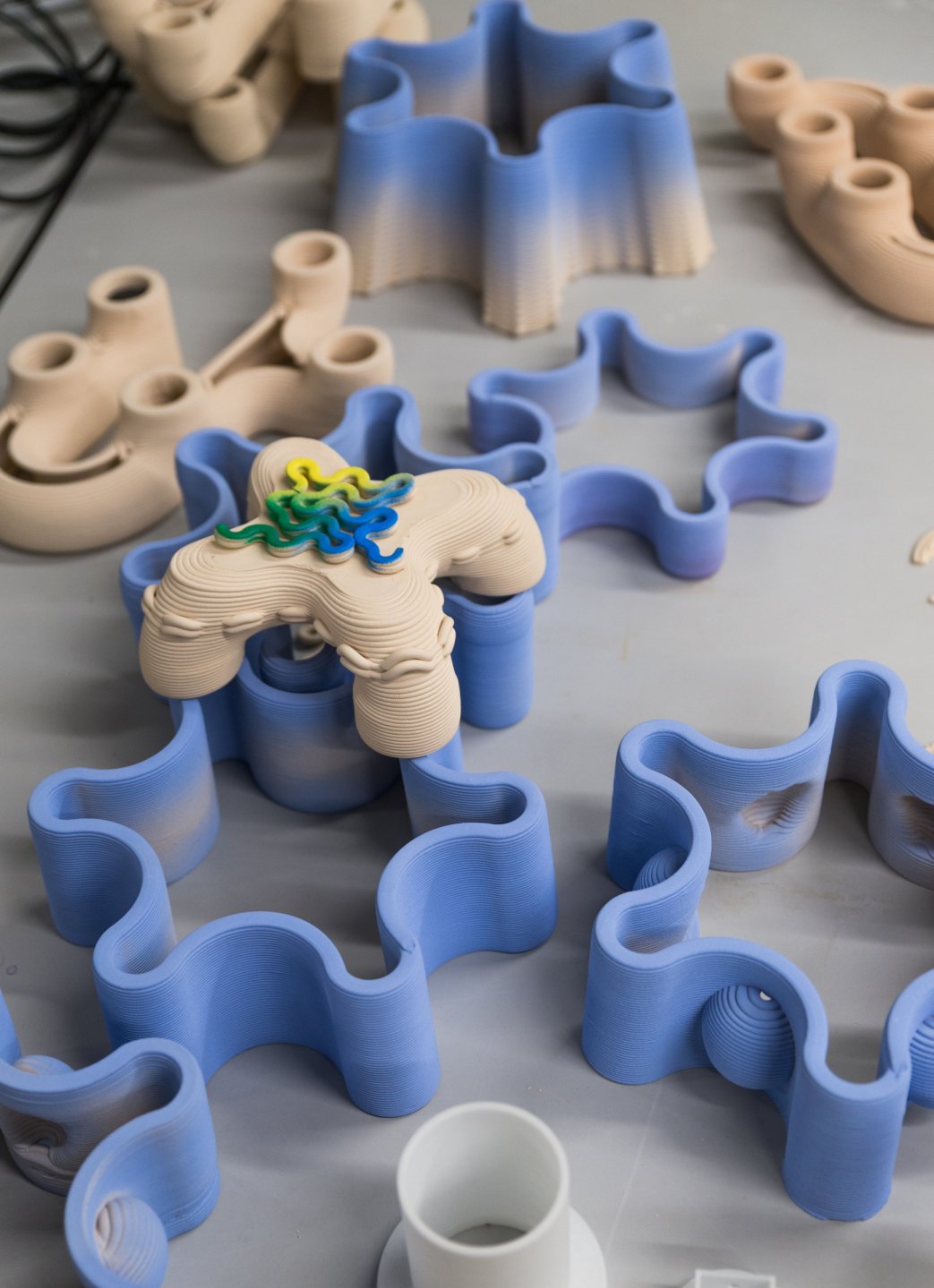
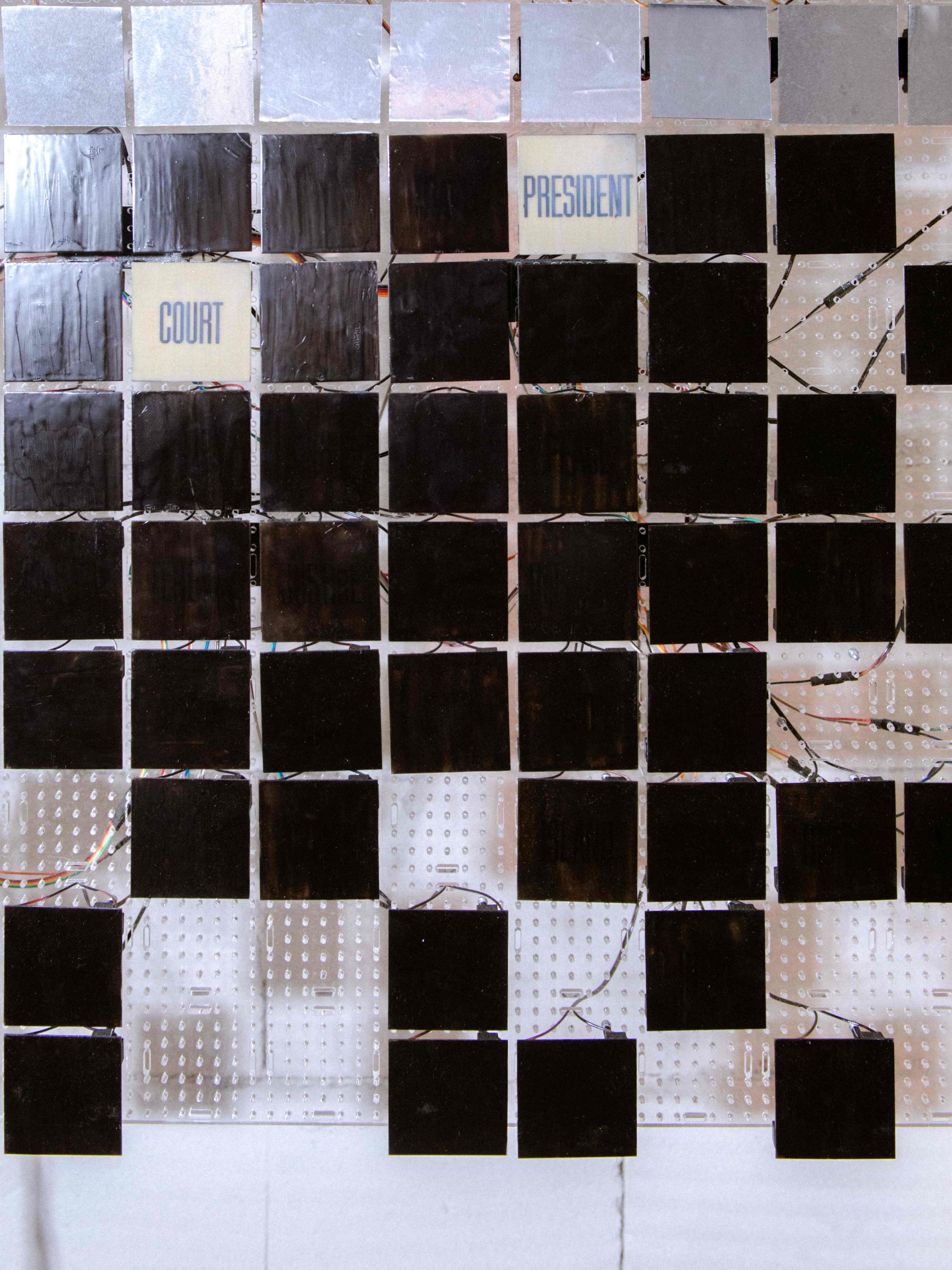
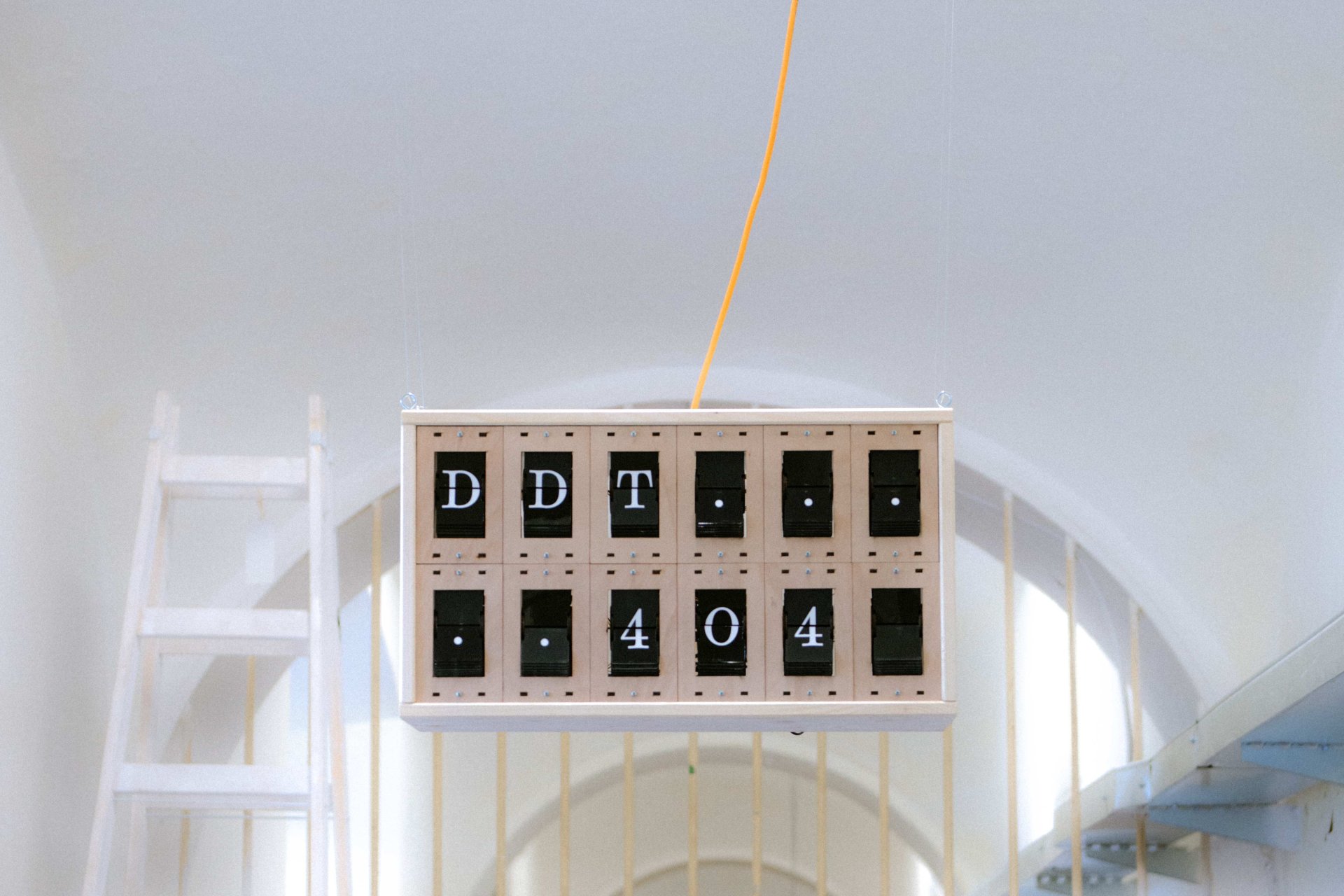
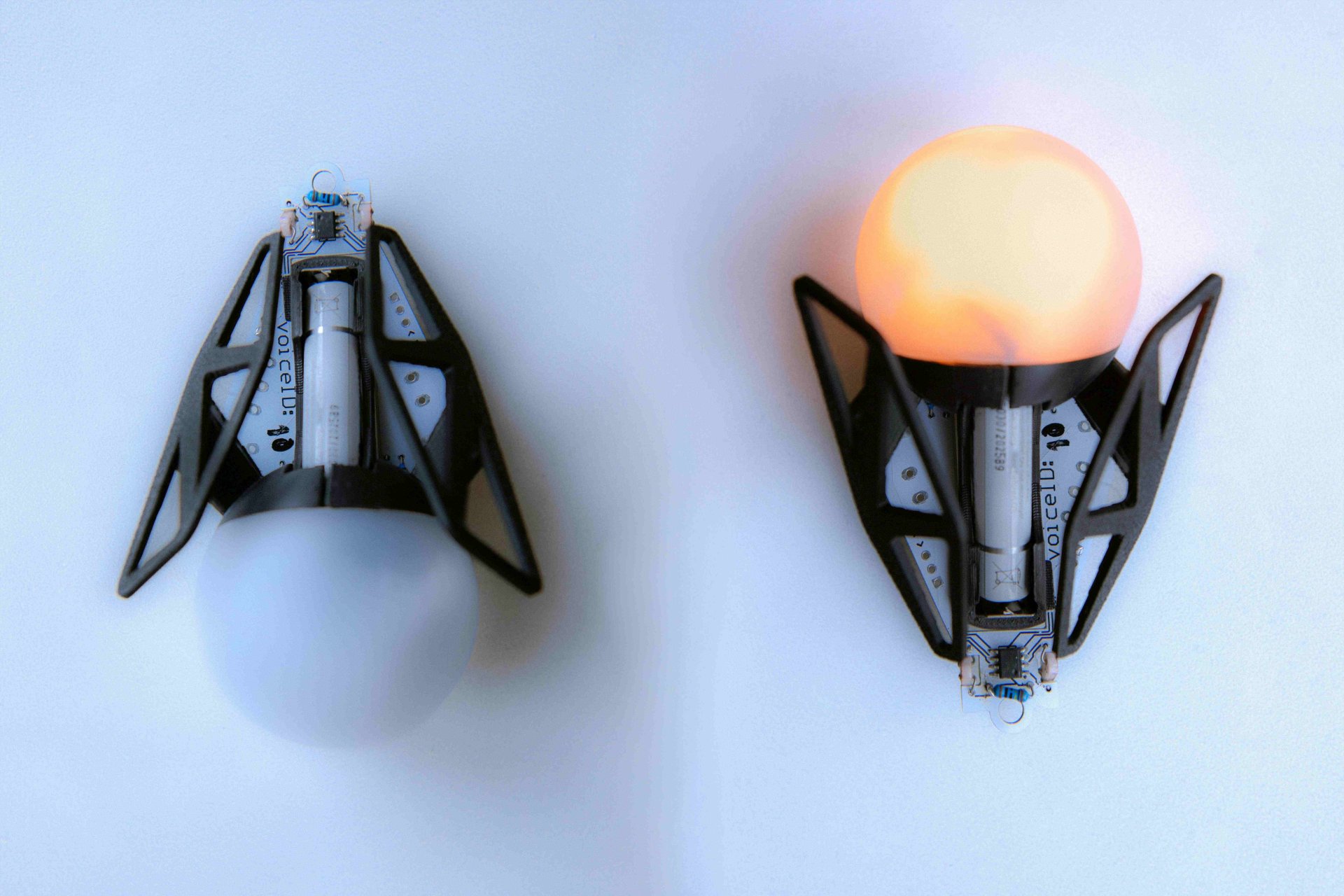
Rethinking Digital Imagery, a collection of student projects from the Studio of Design and Digital Technologies (Binary Loom – Kateřina Kovaříčková; Pre-Chew – Nicol Budinová and Antonín Gazda; Milijo – Maja Gajdarska; Choir – Jakub Varga), explores alternative approaches to image-making through unconventional materials and technologies. Addressing themes of communication, memory, identity, and perception, the projects move beyond the confines of conventional screens and digital media. Presented together under the title Playable Artefacts: Experimental Game Interfaces, Daniel Mrázik’s CAM Trails and Šimon Janoušek’s tot–M2 investigate how technical constraints and unconventional interfaces can shape game design, narrative, and social interaction. Marek Bulíř’s Remember I Was Carbohydrate uses a narrative VR game to examine anthropocentrism and posthumanism, casting the player as a witness to the stories of the planet’s non-human actors. The exhibition also features MAMLAS-1, an experimental game console by Šimon Janoušek, Jakub Vránek, Alžběta Volhejnová, and Alexandra Verzier. Its haptic interface and controls, inspired by synthesizers and industrial control panels, allow players to embark on an imagined exploration of distant planets without a conventional screen. In recognition of its original concept and execution, the console has been nominated for the Ars Electronica Campus Award.
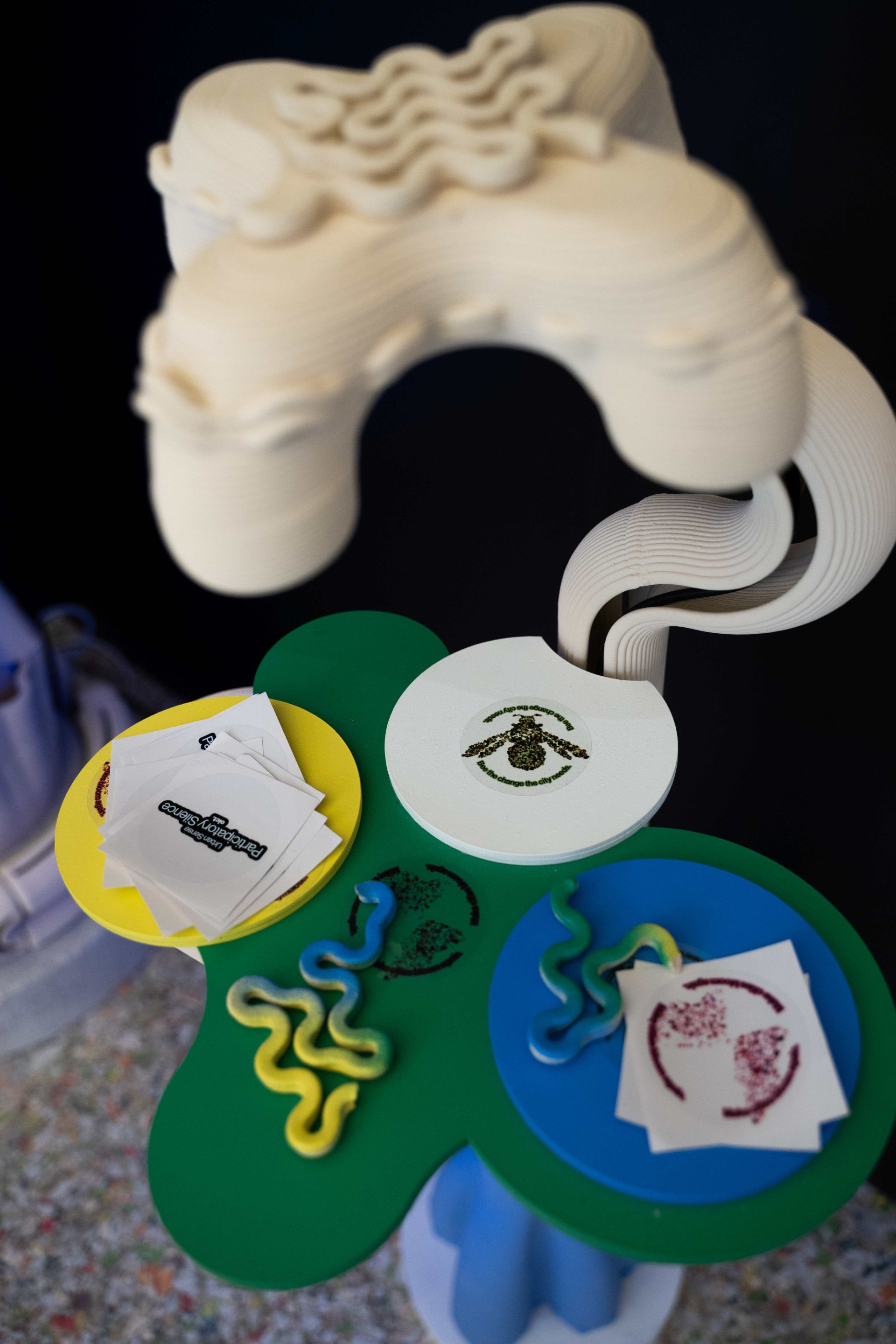
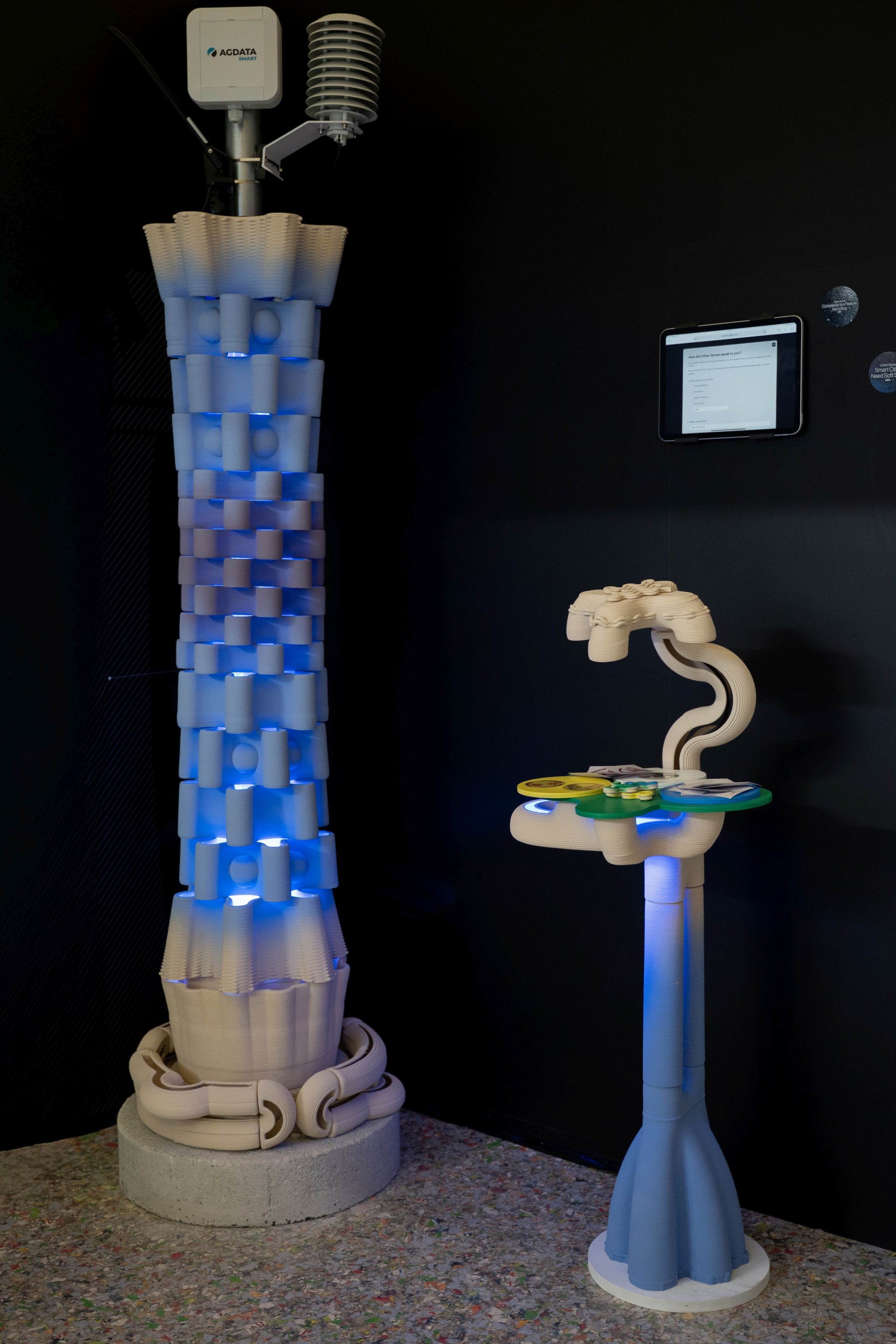
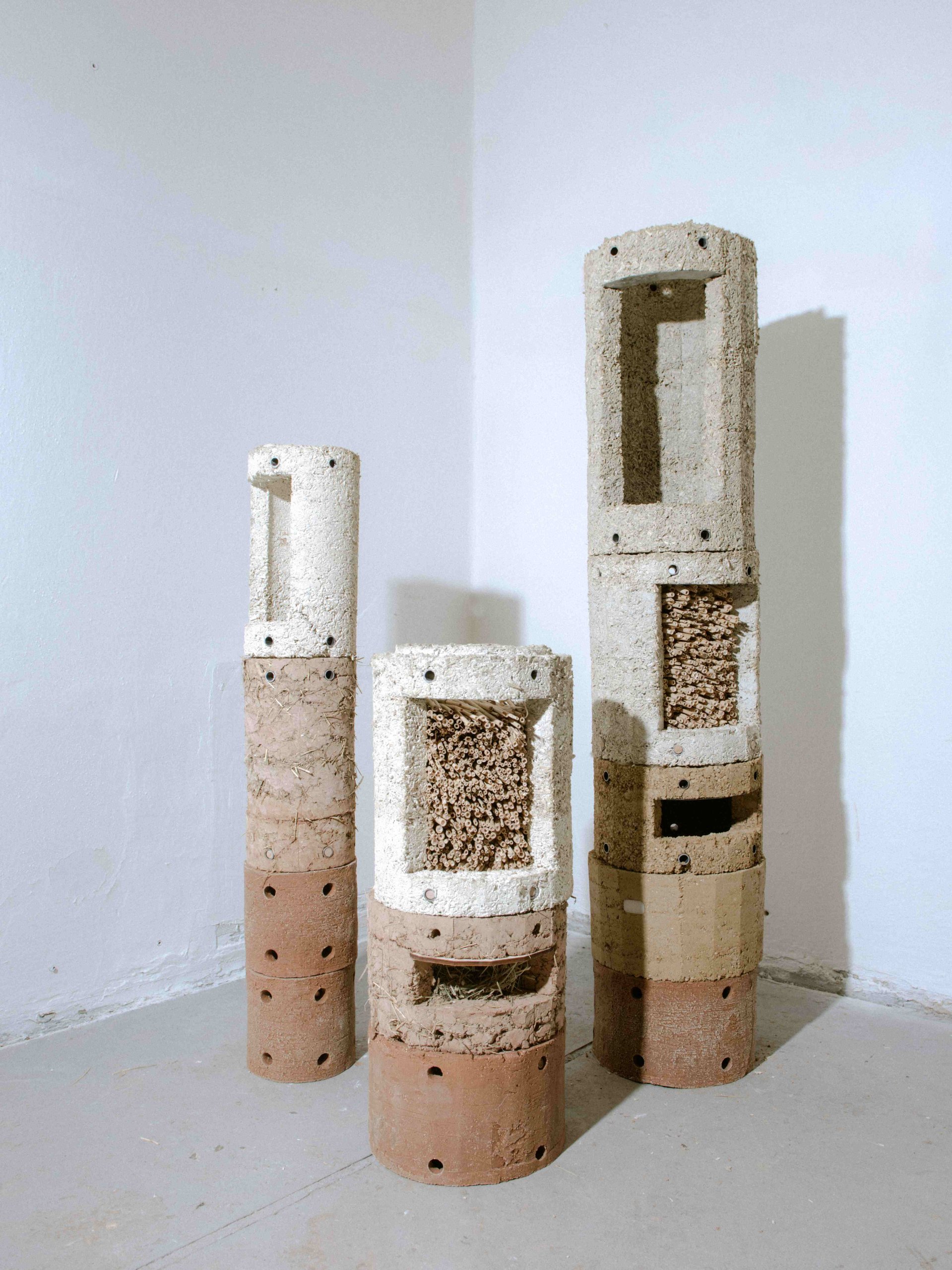
A team of students and doctoral candidates from the Studio of Architecture III—Alena Vaculíková, Michal Hanousek, and Adam Varga—led by Shota Tsikoliya and Imrich Vaško and working in collaboration with Veronika Miškovičová, presents Remote Twins. The project brings together urban biodiversity monitoring and architecture for non-human actors, using a digital twin to reveal the otherwise overlooked world of insects to visitors.
At this year’s Ars Electronica Festival, UMPRUM invites visitors to engage through play and reflect more deeply on the contemporary world and the relationships that shape it. The works can be both viewed and experienced firsthand from 9 to 13 September in Linz, Austria.
Concept: Jan Netušil, Jiří Hölzel, Imrich Vaško, Shota Tsikoliya
Exhibitors:
Marek Bulíř, Nicol Budinová, Maja Gajdarska, Antonín Gazda, Šimon Janoušek, Kateřina Kováříčková, Daniel Mrázik, Alexandra Verzier, Alžběta Volhejnová, Jakub Varga, Jakub Vránek – Studio of Design and Digital Technologies
Michal Hanousek, Veronika Miškovičová, Shota Tsikoliya, Alena Vaculíková, Adam Varga, Imrich Vaško – Studio of Architecture III
Faculty leadership: Jan Netušil, Jiří Hölzel (Studio of Design and Digital Technologies)
Imrich Vaško, Shota Tsikoliya (Studio of Architecture III)
Technical consultation: Jan Hrubeš
Exhibition text: Klára Peloušková
Graphic design: Marek Bulíř, Anna Slabihoudková
Printing: Analog Bros, Tiskárna Helbich
Installation design: Shota Tsikoliya, Jan Netušil, Jiří Hölzel
Production: Michaela Kaplánková