Fog: School of Ecological Imagination
Učení v mlze se může zdát jako učení, které tápe, které nemá jasný cíl. Co když nám ale mlha může pomoci přeorientovat naši pozornost, pomoci nám hledat jiné způsoby vnímání, prožívání a navazování vtahů? Umožnit nám vidět to, co je obvykle skryté, a to včetně mlhy samotné? Ponořme se společně do mlhy, zkoumejme jak a co se učíme, a prostřednictvím kritického a kreativního vzdělávání kultivujme dovednosti nezbytné k řešení mnohačetných environmentální a společenských krizí, které v současnosti prožíváme.
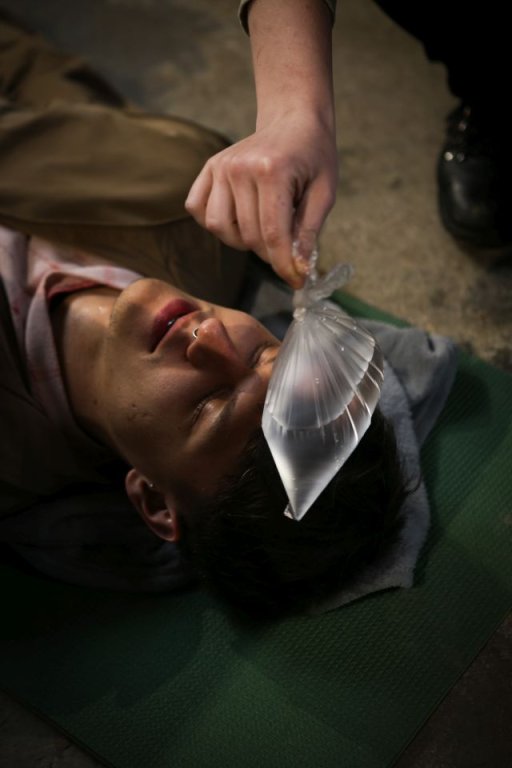
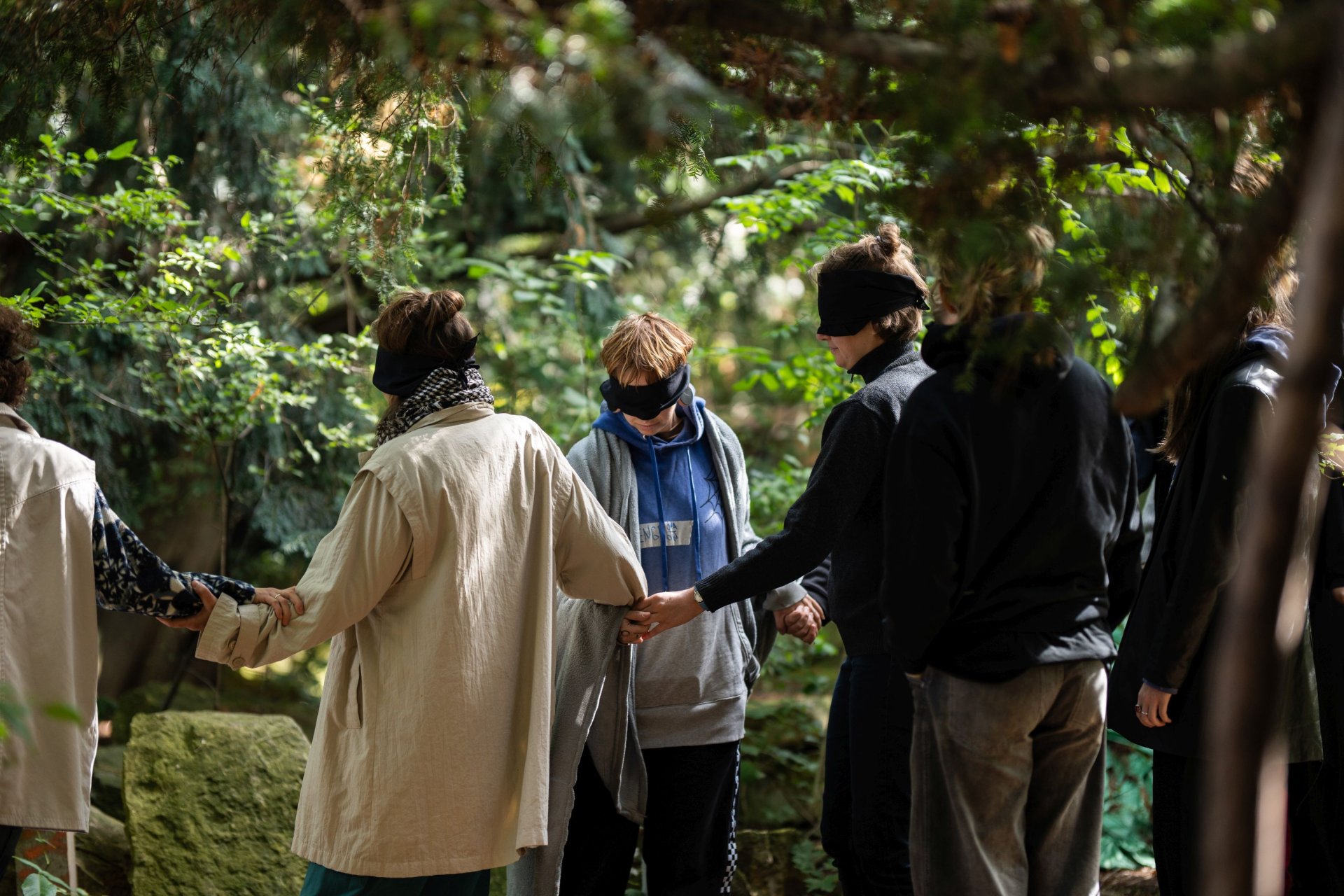
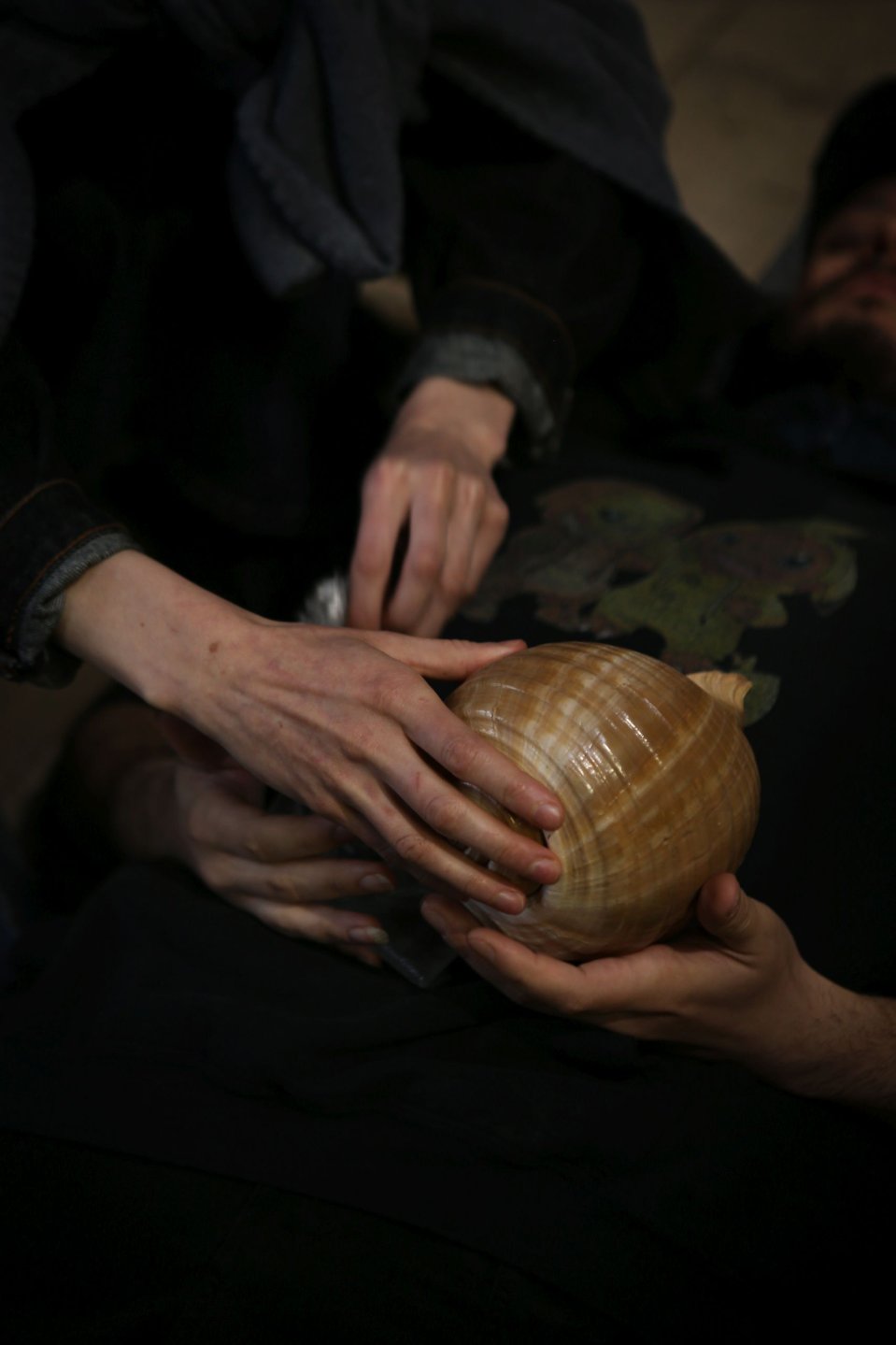
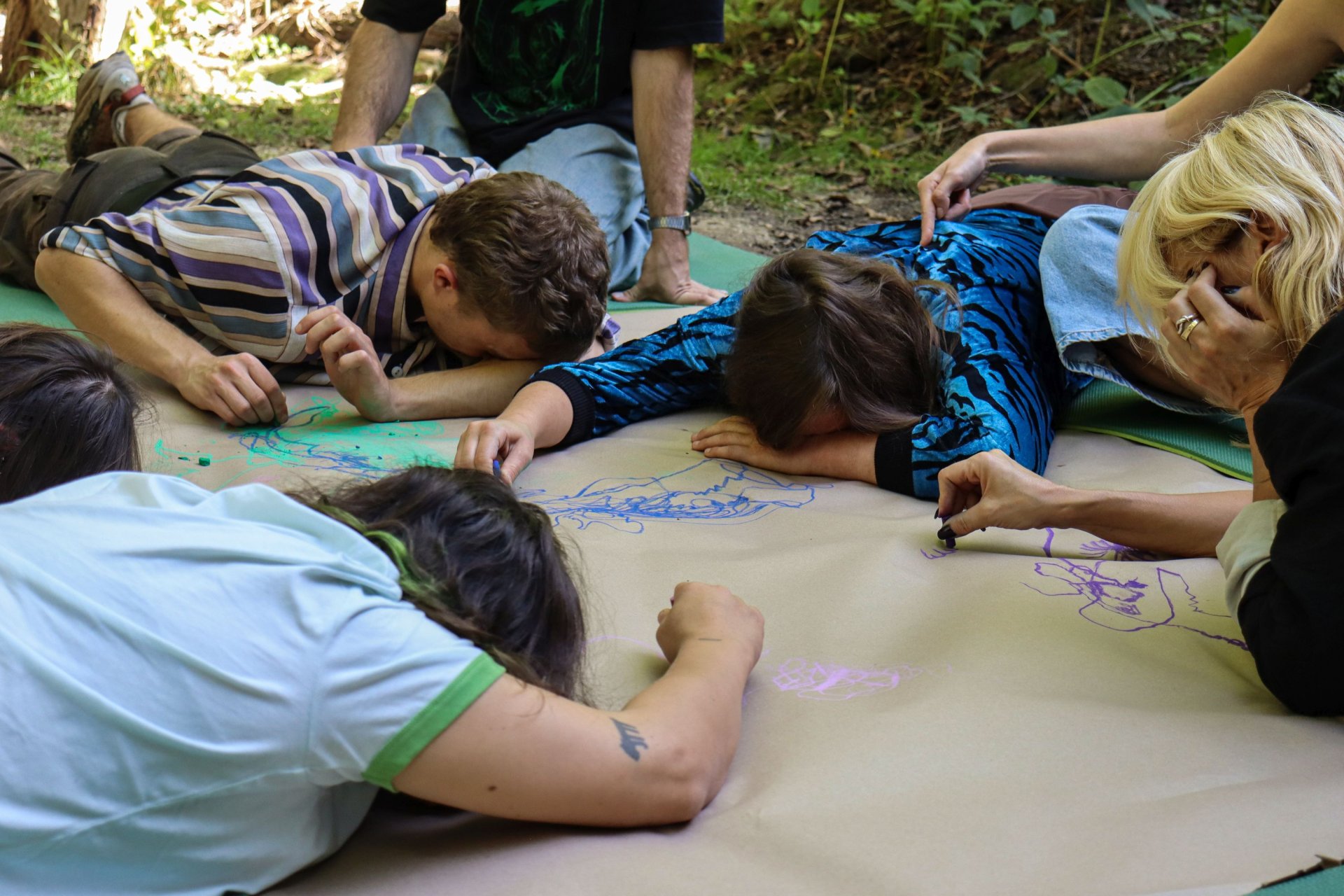
Mezinárodní letní škola Mlha: Škola ekologické imaginace nabídne praktické setkání se současným uměním, kritickou pedagogikou, ekofeminismem a systémovým a ekologickým myšlením. Mlha dočasně přijímá bloudění, nejistotu a neurčitost, podněcuje zvědavost, pozornost a ekologickou představivost: schopnost být kritickou a odpovědnou součástí sítě více-než-lidských vztahů s úmyslem spoluvytvářet spravedlivější svět. Mlha bude probíhat prostřednictvím praktického experimentování a rozvíjením transformačního potenciálu umělecké praxe. Naučíte se pracovat s tělem jako jedinečným smyslovým ekosystémem propojeným se světem kolem nás i v nás. Prostřednictvím zážitkových vzdělávacích aktivit jako jsou smyslová cvičení, performance, kresba, experimenty s materiály, interaktivní čtení, diskuse a reflexe, se seznámíte s tvorbou umělců, aktivistů a myslitelů, mezi nimiž jsou Lygia Clark, Pauline Oliveros, Paolo Freire, bell hooks, Alexis Pauline Gumbs, Donna Haraway, Robin Wall Kimmerer nebo kolektiv Gesturing Towards Decolonial Futures.
Program bude rozdělen do tematických bloků neboli ekosfér, jejichž obsah a forma budou čerpat z jedinečné lokality jejího konání – Centra pro umění a ekologii v KAFKÁRNĚ – a aktivně na ni reagovat. Hlavními lektorkami mezinárodní letní školy budou výtvarná umělkyně a pedagožka Eva Koťátková a teoretička vizuální kultury a ekofeministka Lenka Vráblíková, spolu s přizvanými hostujícími lektory*kami. Mlha není místem, kde by se nabízely hotové aktivity k okamžitému použití, ale prostorem pro společné experimentování a kritickou i kreativní výměnu a sdílení, který poskytuje podněty pro posuny v individuální a kolektivní praxi a myšlení. Účastnictvo bude zkoumat základy kritické pedagogiky, systémového a ekologického myšlení a vyzkouší si metodologie současného umění, jako je hluboké naslouchání, autofikce, spekulativní fabulace, bioimaginace, ekosomatický pohyb a smyslová inventura.
Pracovním jazykem letní školy je angličtina. Více informací o programu, lektorstvu a přihlášení naleznete níže.
Fog: School of Ecological Imagination
Learning in fog may sound like learning without clarity, stumbling without purpose. But what if fog can help us refocus attention, cultivate other modes of relating, perceiving and experiencing; enable us to see what usually stays hidden, including the fog itself? Let’s immerse ourselves in fog to fundamentally rethink how and what we learn. Join us in collectively cultivating critical and creative ecological knowledge to meaningfully respond to the multiple environmental and social crises of our time.
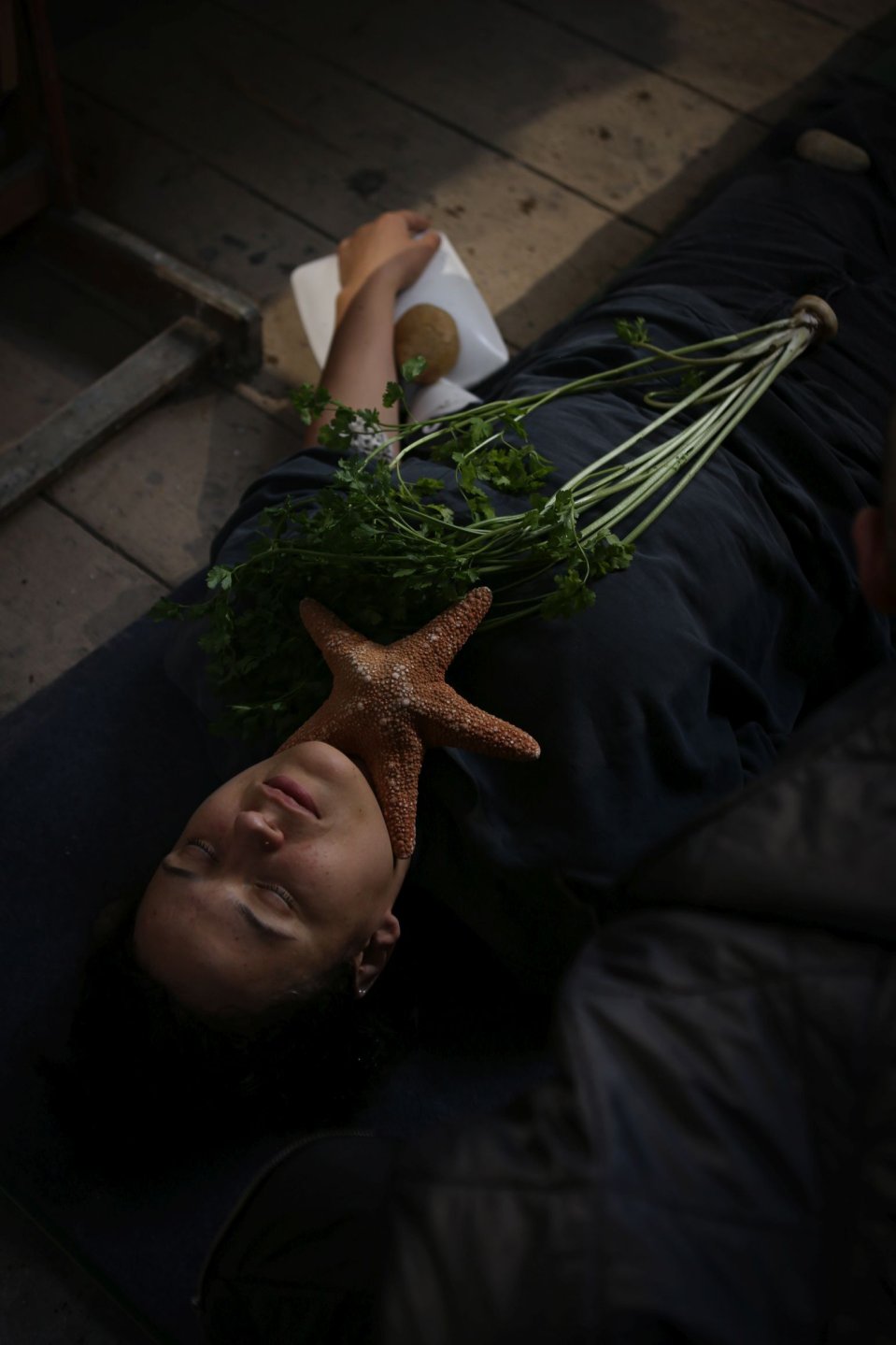
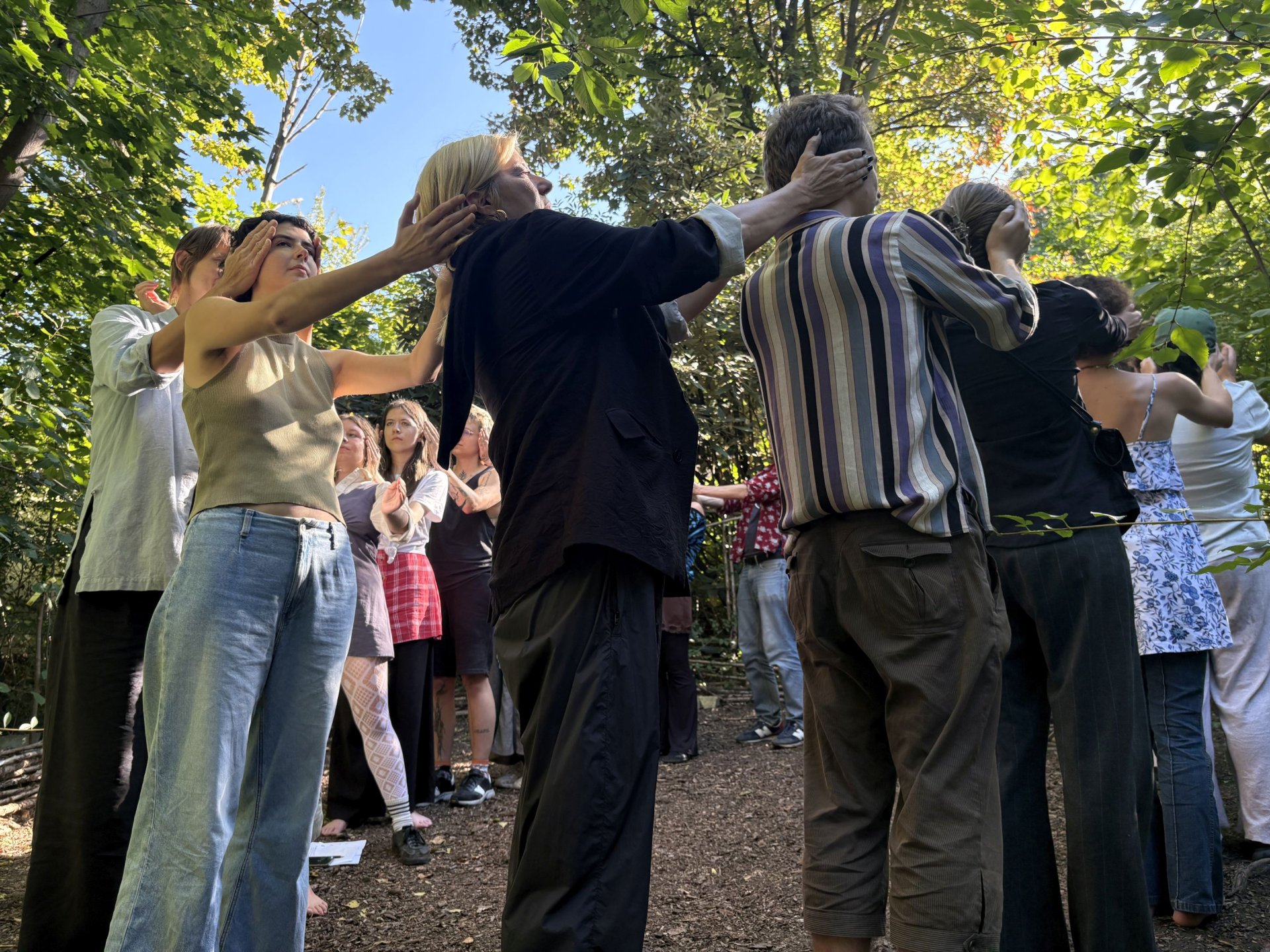
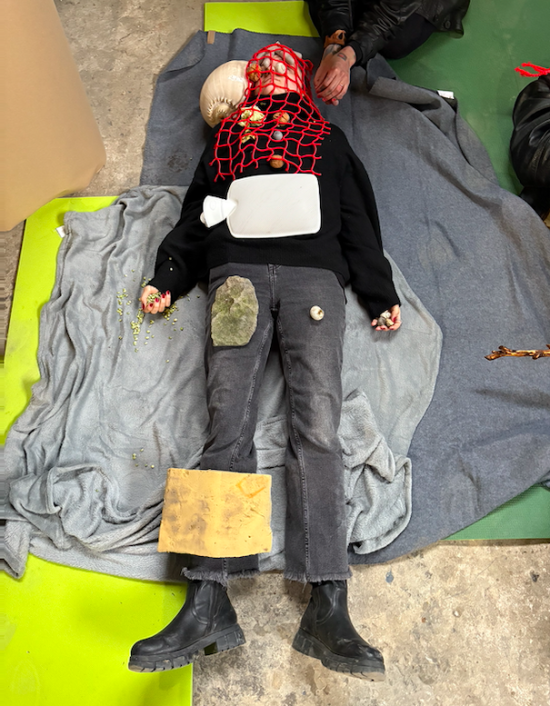
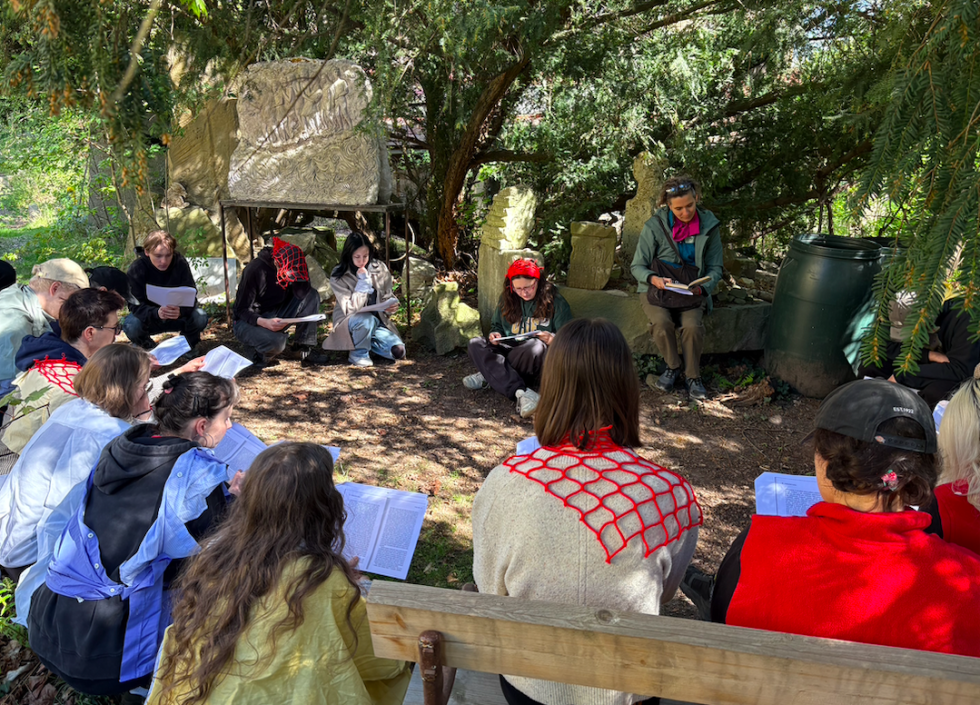
The international summer school Fog: School of ecological imagination will provide practical engagement with contemporary art, critical pedagogy, transnational ecofeminism and systemic and ecological thinking. Temporarily embracing disorientation, uncertainty and indeterminacy, Fog will incite curiosity, attentiveness and ecological imagination: the capacity to be a critical and responsible part of the network of more-than-human relationships with the intention to co-create a more just world. Fog will proceed primarily through practical experimentation, developing the transformative potential of artistic practice. You will learn to work with the body as a singular sensory ecosystem intertwined with the world around and within us. Through experiential learning activities such as sensory exercises, performance, drawing, material experiments, interactive reading, discussions, and reflections you will engage with the work of artists, activists, and thinkers including Lygia Clark, Pauline Oliveros, Paolo Freire, bell hooks, Alexis Pauline Gumbs, Donna Haraway, Robin Wall Kimmerer, or the Gesturing Towards Decolonial Futures collective.
The programme will be divided into thematic blocks, or ecospheres, whose content and form will draw from and actively respond to its unique location—the Center for Art and Ecology at KAFKÁRNA. The main tutors of the international summer school will be visual artist and educator Eva Koťátková and visual culture theorist and ecofeminist Lenka Vráblíková, along with contributors from guest tutors. Rather than offering instantly applicable ready-made activities, Fog is a space for joint experimentation and critical and creative exchange, providing impulses for shifts in individual and collective practices and thought. Participants will explore the foundations of critical pedagogy, systemic and ecological thinking, and try out contemporary art methodologies such as deep listening, autofiction, speculative fabulation, bio-imagination, ecosomatic movement, and sensory inventory.
PARTICIPANTS WILL DEVELOP THE FOLLOWING SKILLS AND COMPETENCIES:
➔ practice-based work with the body, imagination, senses, emotions and eco-somatics.
➔ understanding of contemporary art research methodologies and the ability to apply them within the fields of transformative education and ecology.
➔ understanding of the theoretical foundations and practical methodologies of critical pedagogy, and systemic and ecological thinking for critical analysis of interconnected power relations.
➔ unlearning of extractivist and colonial habits in relation to the more-than-human world, art, and other modes of knowledge production.
➔ ability to work with negative emotions, both individually and in a group that may arise when encountering challenging environmental and social issues.
➔ collaborative and participatory practice (e.g., dialogic method, active listening) and work with groups (preparation and facilitation of group activities).
➔ design, development, and facilitation of art-based educational activities focused on eco-social concerns.
➔ civic awareness necessary to promote environmental and social justice.
Who is the summer school intended for?
-
You believe in the transformative potential of art and are curious about how it can meaningfully respond to the multiple eco-social crises of our time.
-
You are interested in—and want to try out in practice—how to connect art with ecology, critical pedagogy and transformative education.
-
You are a student or graduate of an art/humanities programme, such as fine arts, design, art history, curating & museum studies, cultural studies & anthropology, sociology & social work, education, environmental humanities, etc.
-
You are an artist, educator, community worker, activist, dreamer and/or professional working in cultural and creative sectors, or any other practitioner who wants to develop critical and creative methodologies in relation to ecology.
LOCATION:
Kafkárna is a century-old sculpture studio and garden that was established in Prague’s residential district Ořechovka for sculptor Bohumil Kafka (1878-1942). Kafka created his monumental works here, including the statue of 14-15th century military leader Jan Žižka now situated on Vítkov Hill. Since the early 1990s, the building has been used as a sculpture studio by the Academy of Arts, Architecture and Design (UMPRUM), first under the leadership of sculptor Kurt Gebauer, and since 2011 under the leadership of artist and educator Dominik Lang and other co-directors, namely Edith Jeřábková, Isabela Grosseová, Kateřina Vídenová, Tereza Jindrová and Amálie Bulandrová. Since then, Kafkárna has begun to open to the public. Symposia, exhibitions, and other events, such as the Hostina [Feast] series, began to take place here. In 2022, the Center for Art and Ecology was founded at Kafkárna. It continues to implement a programme of activities to provide a "cultivation ground" for the meeting of art and ecology, where the critical and creative potential of the artistic, intellectual and activist spheres are connected in the context of education. Through the hosting of workshops, symposia, screenings, dinners and programmes supporting community development and work with children, Kafkárna provides space to address current ecological and social issues such as degrowth, food politics, migration, and the co-creation of civic community.
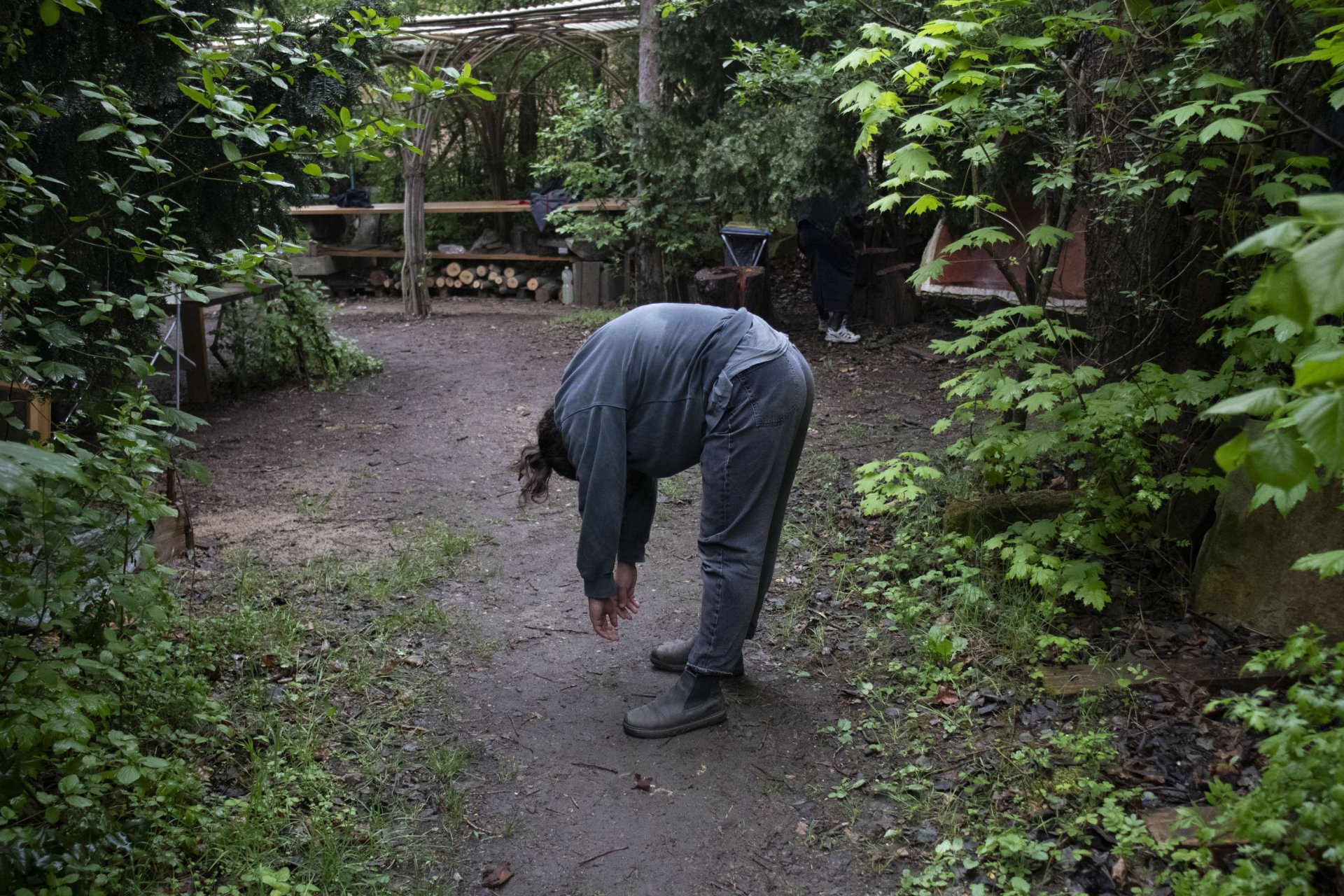
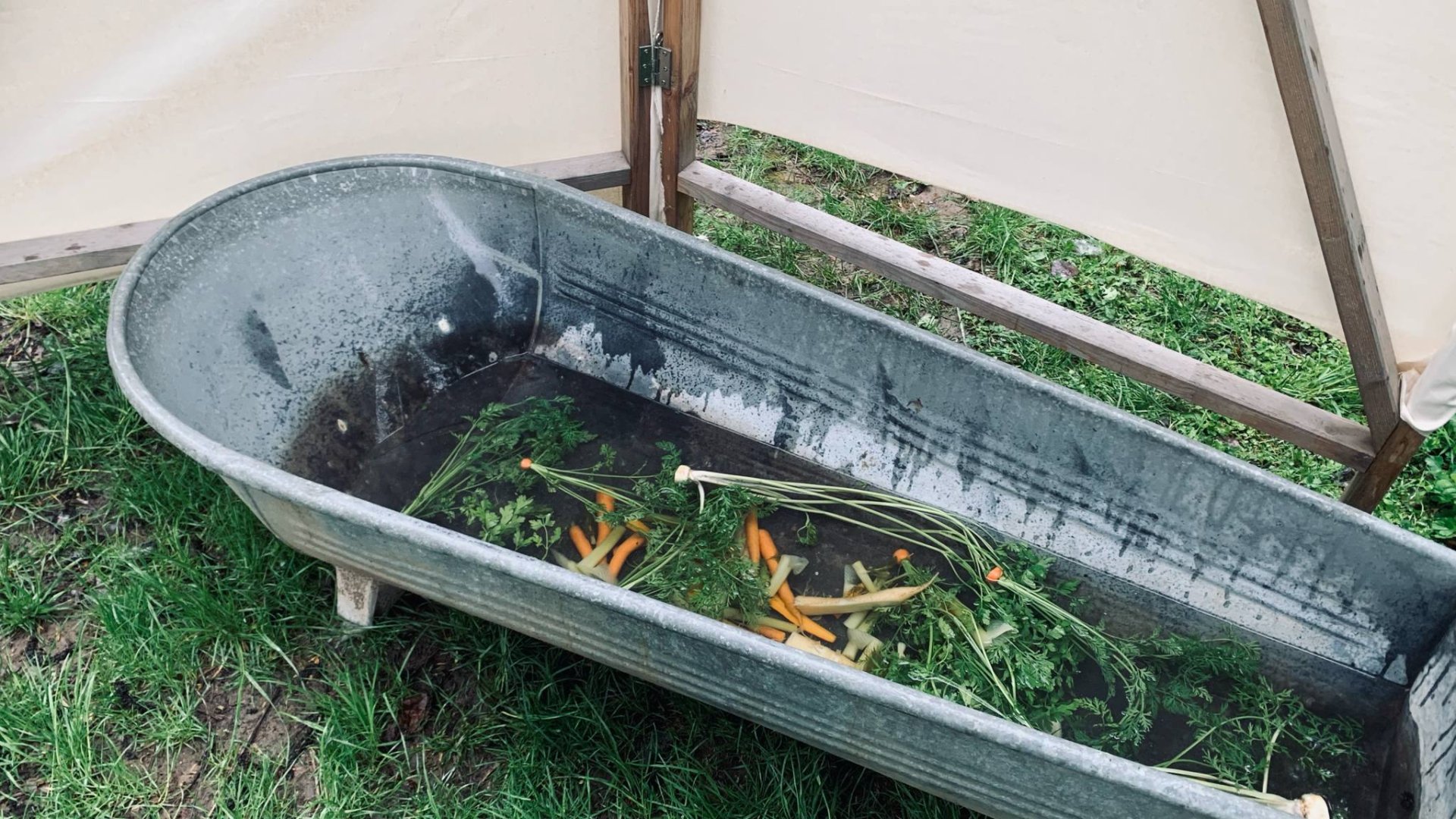
Kafkarna’s indoor facilities and equipment include a spacious sculpture studio, fully equipped kitchen, toilet and shower. The garden contains a number of spaces for group work as well as rest, a pizza oven, outdoor kitchen, compost and fire pit. People with reduced mobility require special assistance in the area as the terrain of the garden and the access paths to the studio are uneven and rocky. If you have questions about accessibility, please get in touch via email (kurzy@umprum.cz).
TUTORIAL TEAM
Eva Koťátková
Main Tutor
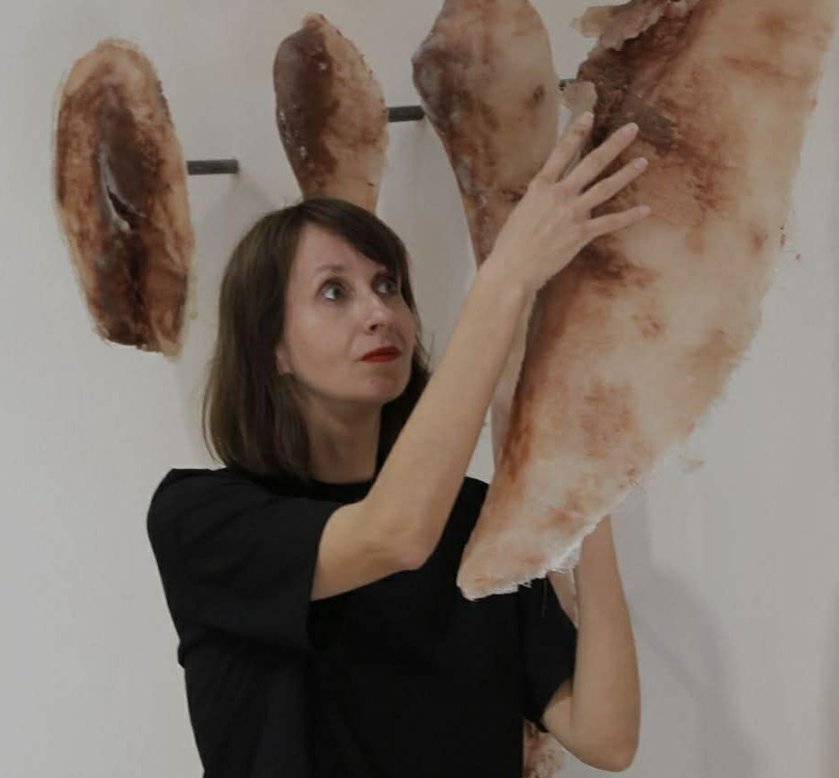
Eva Koťátková is a visual artist and educator. She co-founded the Institute of Anxiety platform and was a member of the Futuropolis: School of Emancipation and School of Imagination teams. She leads intergenerational and children's workshops, which have resulted in the creation of the children's publishing house Bouře [Storm] and the magazine Krunýř [Shell]. She is currently working with Lenka Vráblíková on the creation of a lifelong learning course called Mlha: škola ekologické imaginace (Fog: School of Ecological Imagination) Kafkárna: Center for Art and Ecology in Prague. Together with children's groups, she is developing the concept of an intergenerational playground—an outdoor classroom in motion. Together with curator Hana Janečková, she created a project for the 60th Venice Biennale entitled The Heart of a Giraffe in Captivity is 12 Kilos Lighter, which explored the colonial mechanisms of exploiting the natural world in the past and present and the possibilities for change. Eva believes in the transformative potential of collaborative learning through art, critical pedagogy, the whole body, emotions, and imagination as necessary tools for change.
Lenka Vráblíková
Main Tutor
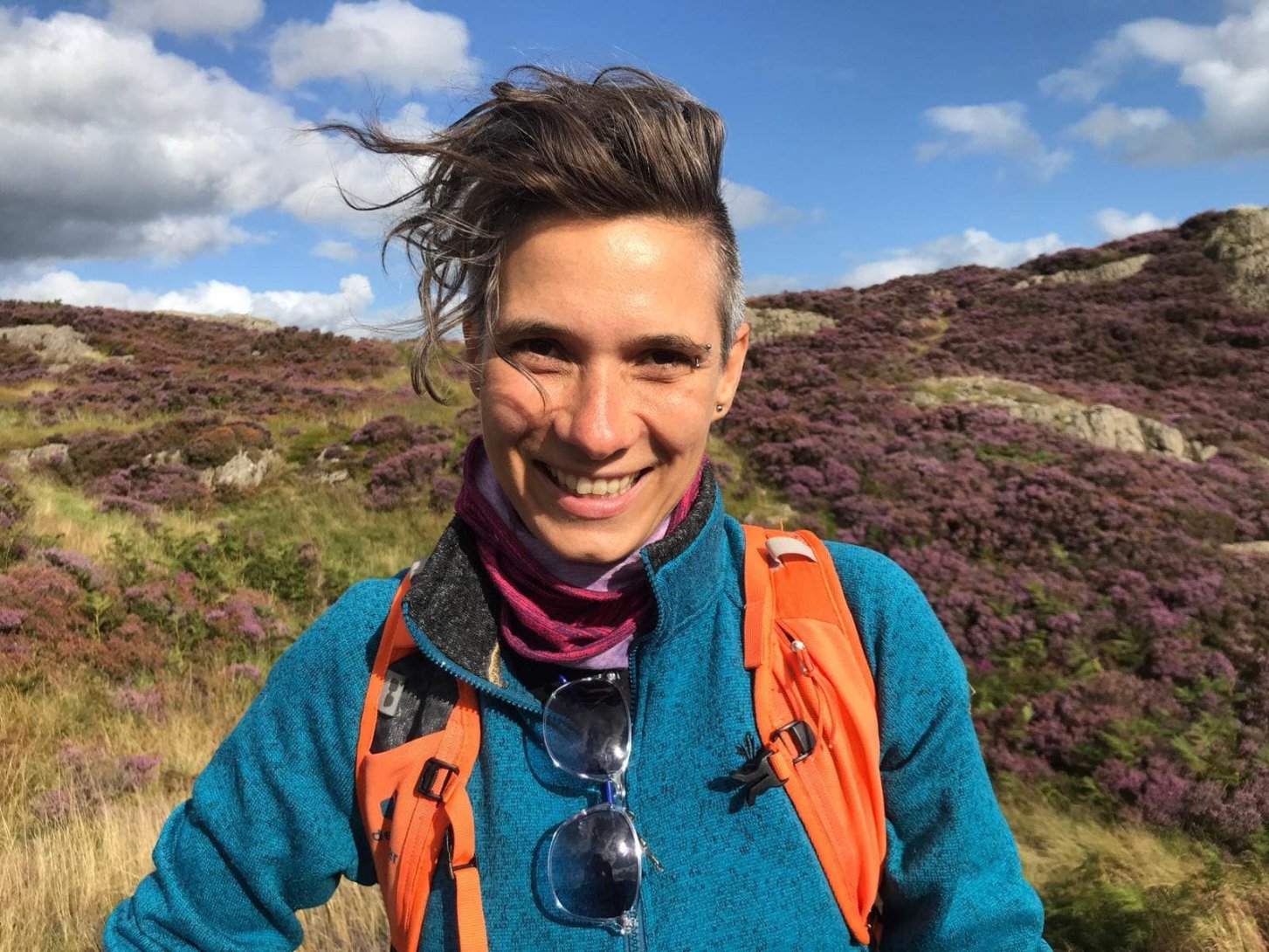
Lenka Vráblíková is a theorist of contemporary art and visual culture with specialism in transnational feminisms, political ecology, deconstruction & new materialism, and ecofeminist art pedagogy. Her current research conducted in collaboration with Elspeth Mitchell focuses on feminist visual ethnomycology, examining the role fungi have played in political and cultural articulations of gender, sexuality, race, nationhood, and interspecies relations. Since 2025 Lenka has been collaborating with Eva Koťátková on a series of educational & research projects under the heading ‘Fog: School of Ecological Imagination.’ Lenka is a lecturer at the School of Art and a member of the Centre for Art and Ecology at Goldsmiths, University of London (United Kingdom). She is also a co-founding member of Transnational Feminist Readings Network and member of the advisory board of the Centre for Arts and Ecology UMPRUM at Kafkárna (Czech Republic). Before joining Goldsmiths in 2021, Lenka was a Postdoctoral Research Fellow at the College of Human Sciences at UNISA (South Africa) and obtained her PhD in Cultural Studies at the University of Leeds (United Kingdom, 2017). Together with Elspeth Mitchell she designed the open-source educational material ‘Learning Collaboration with Fungi’(2021/2024) and regularly publishes with academic journals and publishers including Gender and Education, Feminist Encounters, Australian Feminist Studies, Antennae: Journal of nature in visual culture and Edinburgh University Press.
GUEST TUTORS
In addition to the main tutors, the programme will include guest tutors who are practitioners based in the Czech Republic and part of the Kafkarna community. Confirmed guest tutors for Fog 2026 international summer school include art researcher and curator Sára Märc, visual artist Ruta Putramentaite and artist, socially-critical body worker & herbalist Tereza Silon.
REGISTRATION & RATES
The capacity of the summer school is 14-18 participants. Places will be allocated on a first come first served basis until the maximum capacity is reached. The fee includes tuition for all learning activities, materials, equipment, and meals (vegan lunch, coffee & tea, 2 snacks per day).
Places with reduced fees (supported rate) are available for applicants who do not have access to institutional funding and/or are in a disadvantaged position (based on gender, sexuality, ethnicity, health, and caregiving status). Applicants interested in supported rate should provide this information in the application form.
MLHA: Škola ekologické imaginace: Mezinárodní letní škola
Místo konání: KAFKÁRNA: Centrum pro umění a ekologii UMPRUM, Buštěhradská 2, Praha 6
Termín: 24.–28. srpna 2026 (9:00–17:00)
Jazyk výuky: angličtina
Ceny:
Standardní cena: 640 €
Solidární cena: 720 € / 800 €
Cena s podporou: 400 €
Úroveň: Otevřeno pro všechny úrovně (začátečníci až pokročilí)
Kapacita: 14–18 osob
PŘÍJEM PŘIHLÁŠEK UKONČEN
Fog: School of Ecological Imagination: International summer school
Location: KAFKÁRNA: The Center for Art and Ecology UMPRUM, Buštěhradská 2, Prague 6
Dates: August 24-28, 2026 (9:00-17:00)
Language of Instruction: English
Rates:
Standard rate: € 640
Solidarity rate: € 720 / € 800
Supported rate: € 400
Level: Open to all levels (beginners to advanced)
Capacity: 14-18 people
REGISTRATION IS CLOSED